Dreaming of a modern, beautiful home but worried about the environmental impact? You’re not alone. Many believe embracing eco-friendly homes means giving up on luxury or style.
I’ve spent years analyzing the fusion of high-end design, smart tech, and green living, and I can tell you: that’s a myth.
Why can’t a home be both sustainable and stunning? There’s a clear roadmap for homeowners and builders to follow. Integrating the latest sustainable solutions doesn’t mean sacrificing style or convenience.
In fact, sustainability itself is becoming the ultimate luxury.
In this guide, you’ll find practical and elegant solutions proving that going green doesn’t mean settling for less. Whether you’re building or renovating, this is your chance to make a real difference without losing any flair. Stay with me, and you’ll see how possible it is.
Beyond Solar Panels: The Real Foundation
Let’s be real. Slapping solar panels on your roof doesn’t make a home eco-friendly. It’s more than that.
Sustainability should be a core design philosophy. Think of it as the heart of your home, not some green afterthought. So how do we build eco-friendly homes from the ground up?
Ever heard of ‘Passive House’ principles? They’re not just for architects to geek out over. It’s about using smart design to maximize natural light, heat, and cooling.
Imagine your home facing south to soak in the sun or having windows perfectly placed for cross-ventilation. Strategic overhangs can deflect summer heat while inviting winter warmth. It’s genius, really.
But here’s the clincher: the building envelope. This is what separates a mediocre home from an energy-fast marvel. Airtightness and quality insulation are key.
They’re like the unsung heroes of energy efficiency, silently working to keep your home comfy without the utility bill drama.
Pro tip: Focus on foundational design choices. Improve for natural light. Design for natural airflow.
Create a thermally-sealed envelope. These are non-negotiables.
For those of you curious about integrating these principles into your home without breaking the bank, learn more. A sustainable home isn’t just a dream. It’s a smart investment.
Why settle for less when you can have comfort and efficiency wrapped up in one stylish package?
Smart Building: Materials That Go the Distance
You know, I’ve always been fascinated by how our design philosophies translate into tangible, real-world materials. It’s a game-changer. Today, we’re diving into some advanced structural materials that promise durability and impress with their green cred.
Take Structural Insulated Panels (SIPs) and Insulated Concrete Forms (ICFs). These babies blow traditional stick-framing out of the water in terms of insulation and longevity. Who wouldn’t want a house that stands strong and keeps you cozy year-round?
They’ve got that aesthetic appeal your Instagram feed craves and renewal rates that’ll make you sleep better at night (or at least with less eco-guilt).
Now, let’s talk interiors. Your living space needs to look good while doing good, right? Reclaimed hardwood, bamboo, and cork are excellent flooring choices that hit the style-sustainability sweet spot.
But wait, there’s more. Have you heard about next-gen materials like recycled glass countertops and low-VOC paints? They’re paving the way for a new era of design.
And hey, even mycelium insulation is creeping up the ranks. Mushrooms in your walls? You bet.
These innovations are key to crafting the ideal eco-friendly homes: sustainable living & design tips. They slash our environmental footprint while enhancing indoor air quality.
Pro tip: When making material choices, think about long-term impact. Your choices contribute to both a healthier planet and a healthier you. Ready to transform your space into something that’s beautiful but also sustainable? I say it’s time to embrace this smart shift.
Smart Home: The Green Revolution
Eco-friendly homes are no longer just a trend. They’re a necessity. With smart home technology, we can seamlessly bridge the gap between sustainability and modern efficiency.
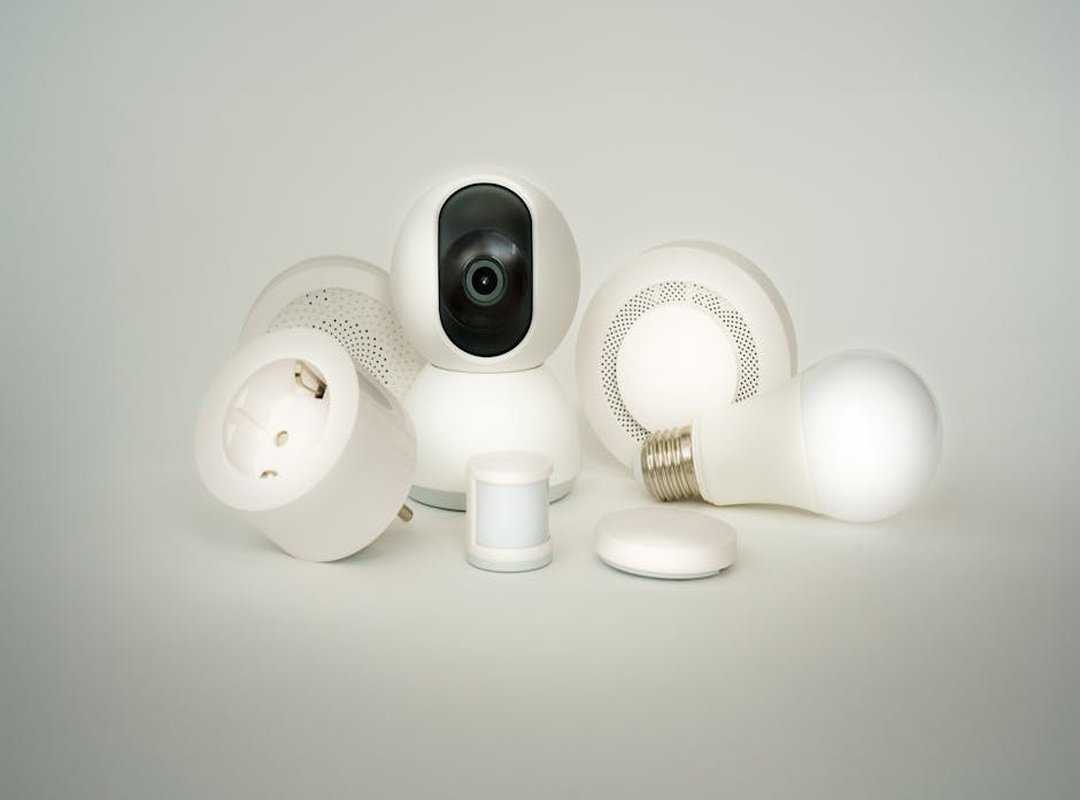
But let’s be real. Most articles miss the mark on showing how smart tech is more than just convenient gadgets. It’s about resource management.
Take smart thermostats like Nest and Ecobee. They’re not simply programmable devices. They learn.
Using sensors and algorithms, they eliminate waste in heating and cooling. Ever felt your home was too cold or too hot when you didn’t touch a thing? These smart systems adjust themselves, keeping your comfort in check without you lifting a finger.
Then there’s smart lighting. LEDs paired with motion sensors and dimmers? Genius.
They don’t just lower your electricity bill (they) change how we think about energy. Scheduling lights to fit your lifestyle means you’re only using what you need. It’s efficiency with a capital E.
Real-time home energy monitoring systems are a game changer. Imagine having all that data at your fingertips. It’s empowering to see exactly where energy is wasted.
You can make smarter choices and save not just energy, but money.
Let’s not forget automated window shades. They work with the sun (open) in winter for warmth, closed in summer to keep cool. It’s like having nature as your personal climate control.
If you’re into more complete approaches, consider how Feng Shui Tips Energized Home can boost your space’s energy flow. Tech and tradition can coexist beautifully.
Beyond the Walls: Water Conservation and Space Combo
Eco-friendly homes aren’t just about what’s inside. They also consider water and the space around them. You might think, “What’s so special about water-saving fixtures?” Well, there’s more than just low-flow.
Look for EPA WaterSense-labeled toilets, showerheads, and faucets. These aren’t just buzzwords. They’re real standards that signify a commitment to water conservation.
Now, ever thought about rainwater harvesting? It’s not rocket science. At its simplest, it collects roof runoff, reducing your dependency on municipal water for space irrigation.
You can start small or go all out with complex systems. Either way, it’s a win for your wallet and the planet.
But wait, there’s more. Xeriscaping (nope, it’s not a typo) is another game-changer. This involves using drought-tolerant, native plants in your garden.
Why fight nature? Instead of Kentucky bluegrass, opt for local flora. You’ll get a beautiful, low-maintenance yard that supports local wildlife and requires minimal watering.
It’s like landscaping that works for you, not against you.
Now, let’s talk about permeable pavers. They sound fancy, but they’re practical. These pavers allow water to seep through, reducing stormwater runoff and helping to replenish groundwater.
So, if you’re planning a new driveway or patio, think permeable. do they reduce flooding risks, but they also contribute to a healthier space.
Incorporating these elements can transform your home into a true oasis while acting responsibly. Your property becomes a part of the solution, not the problem. It’s about thinking beyond the walls.
Your Path to Inspired Living
You came here looking for a way to merge style with sustainability, and now you know it’s possible. The idea of choosing between luxury and responsibility is outdated. We can have both with eco-friendly homes.
How? By embracing smart design, using advanced materials, and integrating technology. The solution is right in front of us.
It’s not just an idea. It’s a reality you can live in. This approach lets us be part of the solution, not the problem.
So, what’s next? Take action. Pick one area that excites you.
Maybe smart tech or sustainable materials. Dive in. Explore.
We’re the #1 rated resource for making this happen. Don’t wait. Start now.
You’ve already taken the first step by reading this.
Your inspired, sustainable home is closer than you think. Take control of your living space. Raise your lifestyle.
Visit our site to begin your journey into the future of living.
 Smart Home Systems & Integration Specialist
Herbert Hamiltonatier is the kind of writer who genuinely cannot publish something without checking it twice. Maybe three times. They came to smart home system integrations through years of hands-on work rather than theory, which means the things they writes about — Smart Home System Integrations, In-Depth Guides, Highlight Hub, among other areas — are things they has actually tested, questioned, and revised opinions on more than once.
That shows in the work. Herbert's pieces tend to go a level deeper than most. Not in a way that becomes unreadable, but in a way that makes you realize you'd been missing something important. They has a habit of finding the detail that everybody else glosses over and making it the center of the story — which sounds simple, but takes a rare combination of curiosity and patience to pull off consistently. The writing never feels rushed. It feels like someone who sat with the subject long enough to actually understand it.
Outside of specific topics, what Herbert cares about most is whether the reader walks away with something useful. Not impressed. Not entertained. Useful. That's a harder bar to clear than it sounds, and they clears it more often than not — which is why readers tend to remember Herbert's articles long after they've forgotten the headline.
Smart Home Systems & Integration Specialist
Herbert Hamiltonatier is the kind of writer who genuinely cannot publish something without checking it twice. Maybe three times. They came to smart home system integrations through years of hands-on work rather than theory, which means the things they writes about — Smart Home System Integrations, In-Depth Guides, Highlight Hub, among other areas — are things they has actually tested, questioned, and revised opinions on more than once.
That shows in the work. Herbert's pieces tend to go a level deeper than most. Not in a way that becomes unreadable, but in a way that makes you realize you'd been missing something important. They has a habit of finding the detail that everybody else glosses over and making it the center of the story — which sounds simple, but takes a rare combination of curiosity and patience to pull off consistently. The writing never feels rushed. It feels like someone who sat with the subject long enough to actually understand it.
Outside of specific topics, what Herbert cares about most is whether the reader walks away with something useful. Not impressed. Not entertained. Useful. That's a harder bar to clear than it sounds, and they clears it more often than not — which is why readers tend to remember Herbert's articles long after they've forgotten the headline.