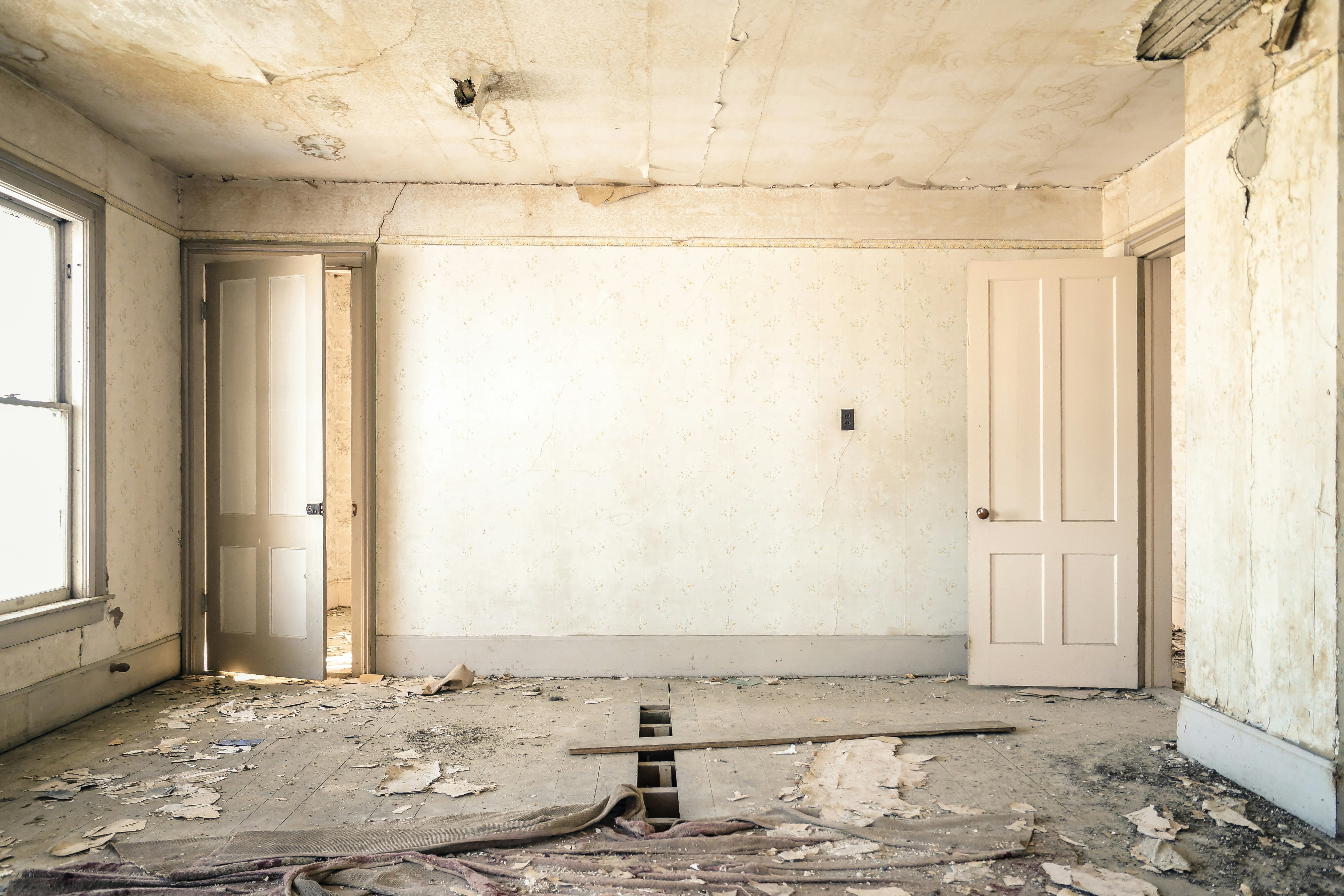

Your house looks tired. The siding that used to shine now wears a coat of grime you didn’t notice building up.
You want your home to look good again. But you’re not sure where to start or if you’ll damage something in the process.
Here’s the truth: washing your house isn’t complicated. You just need the right approach.
I’m going to walk you through exactly how to clean your home’s exterior this weekend. No guesswork. No expensive contractors.
Over the years I’ve tested different methods and tools on all kinds of siding. I’ve made the mistakes so you don’t have to. What I’m sharing here works whether you’re dealing with vinyl, wood, or brick.
This guide covers the best house washing tricks livpristhome has to offer. You’ll learn which tools actually matter, how to avoid damaging your siding, and the safest way to reach high spots.
You can use a pressure washer or just a garden hose. Both work if you know what you’re doing.
By Sunday evening your house will look like you just paid someone a few thousand dollars. Except you didn’t.
Before You Begin: The Crucial Preparation Phase
You can’t just grab a hose and start spraying.
I learned this the hard way when I soaked an outdoor outlet and tripped the breaker for half my house. Not my finest moment.
Here’s what I tell everyone. The prep work matters more than the actual washing. Skip it and you’ll either damage something or spend twice as long fixing problems you created.
The Pre-Wash Safety Checklist
Walk your house perimeter first. Look for anything that could go wrong.
Close all your windows and doors. I mean really check them. A cracked window on the second floor will let water seep into places you don’t want it.
Cover your exterior electrical outlets with plastic and tape. Same goes for light fixtures and security cameras. Water and electricity don’t play nice together.
Move your patio furniture and decorations out of the way. If you can’t move them, cover them with tarps. Plants too, especially the delicate ones that won’t survive a pressure washer blast.
Run your hand along the siding. Feel for loose panels or cracks. Water pressure will find every weak spot and make it worse. Fix these issues before you start or you’ll be calling a contractor later.
Assembling Your Toolkit
Now let’s talk about what you actually need.
Your cleaning solution comes first. Pick one that works for your siding type (we covered this earlier if you need a refresher on which vacuum should i buy Livpristhome for indoor cleaning).
Grab a couple of brushes. One soft bristle for general work and one stiffer brush for stubborn spots.
Safety glasses are non-negotiable. Cleaning solution splashing in your eyes will ruin your whole day.
Then you need your water delivery system. Either a pressure washer or a garden hose with a good spray nozzle. Both work, they just take different amounts of time.
One of the best house washing tricks livpristhome residents swear by? Set everything up in stations. Put your solution in one spot, brushes in another, and keep your water source easily accessible. You don’t want to walk back and forth fifty times.
Lay it all out before you start. Once you’re up on a ladder with wet hands, going back for forgotten tools gets old fast.
Choosing Your Method: Pressure Washer vs. Hand Washing
You’ve got two ways to wash your house.
Both work. But picking the wrong one can cost you.
The Power Approach: When to Use a Pressure Washer
I recommend pressure washing for vinyl, brick, and fiber cement. These materials can take the hit and you’ll finish the job in half the time.
It’s perfect when you’re dealing with caked-on dirt or mildew that won’t budge with a regular hose. Big surfaces go fast and you’ll actually see results.
But here’s where people mess up.
They crank the pressure to max and go to town. Then they wonder why their siding looks like Swiss cheese (or worse, why water’s leaking into their walls).
Start with the lowest pressure setting. Always. Use a 25 or 40 degree nozzle to spread the water out. And never, ever point that red zero-degree tip at your house unless you want to explain to your insurance company what happened.
The best house washing tricks livpristhome teaches come down to patience. Let the pressure do the work without forcing it.
The Gentle Technique: The Garden Hose & Brush Method
Now if you’ve got wood siding, stucco, or older paint? Skip the pressure washer entirely.
I know it takes longer. But you’re not going to accidentally blast paint off or drive water behind your siding where it doesn’t belong.
Grab a garden hose, a soft brush, and some cleaning solution. Work in sections from bottom to top (yeah, that feels backwards but trust me on this). You control every stroke and you can feel when something needs extra attention.
This method won’t win any speed contests. What it will do is keep your delicate surfaces intact and give you peace of mind that you’re not creating problems while trying to solve one.
The 5-Step House Washing Process for a Flawless Finish
You want your house to look like you just hired a professional crew.
But you’re doing this yourself.
Here’s what most people get wrong. They spray water at their house and hope for the best. Then they wonder why there are streaks everywhere and the mildew comes back in two weeks.
I’m going to walk you through the exact process that actually works.
Step 1: The Pre-Rinse
Start at the bottom and lightly spray a section with plain water.
I know that sounds backwards. But here’s why it matters. When you wet the surface first, your cleaning solution won’t dry out before it has time to work. You get better penetration into the grime and you avoid those annoying dried-on cleaner marks.
Step 2: Apply the Cleaning Solution
Mix your cleaner exactly how the bottle tells you to. No eyeballing it.
Grab a pump sprayer or use your pressure washer’s soap nozzle (or just a bucket and brush if that’s what you’ve got). Apply from bottom to top, working in sections you can actually manage.
Why sections? Because you’re not going to streak your siding like everyone else does. When you work in chunks, the solution stays wet and does its job evenly. The best house washing tricks livpristhome teaches all come back to this one thing: control what you can control.
Step 3: Let it Dwell
This is where people mess up the most.
Let that cleaner sit for 5 to 10 minutes. Just sit there and break down the dirt and mildew. Do NOT let it dry on your siding or you’ll be scrubbing twice as hard later.
Set a timer if you need to. I do.
Step 4: The Main Rinse
Switch to clean water and rinse from TOP to bottom this time.
Gravity becomes your friend here. All that soap and loosened grime flows down and away from the surface you just cleaned. No backtracking. No re-contaminating areas you already finished. I tackle the specifics of this in Guide for Removing Mold Livpristhome.
This is what gives you that professional look without the professional price tag.
Step 5: Final Inspection
Wait for everything to dry completely.
Then walk around your house and look for spots you missed. There will be some (there always are). A quick touch-up now saves you from staring at that one dirty patch for the next six months. I go into much more detail on this in Which Vacuum Should I Buy Livpristhome.
When you follow these steps in order, you get a house that looks CLEAN. Not just rinsed off. Actually clean.
And just like with carpet maintenance livpristhome, the process matters more than the products you use.
Pro Tips for a Pristine, Long-Lasting Clean
Selecting the Right Cleaner
I learned this the hard way after spending a weekend scrubbing my siding with the wrong product.
For general dirt, a simple mix of household detergent and water does the job. You don’t need anything fancy.
But if you’ve got mildew or algae (those green or black stains that show up after a wet spring), you need something stronger. A commercial house wash with a mildewcide works. So does a diluted oxygen bleach solution.
I tested both last summer. The oxygen bleach took about 15 minutes longer to work, but it was gentler on my plants.
Timing is Everything
Here’s what most people get wrong.
They pick a sunny Saturday afternoon and wonder why everything looks streaky when they’re done.
Wash your house on a calm, overcast day. I know it feels weird to clean when it looks like rain, but trust me on this. Direct sunlight makes the cleaning solution evaporate too fast. You end up with residue you can’t see until it dries.
Wind does the same thing. Plus it blows the spray everywhere except where you want it.
Tackling Tough Stains
Rust stains from faucets or fixtures are stubborn. I spent three months trying different products before I found what actually works.
A cleaner with oxalic acid is your answer. Apply it directly to the stain with a brush before you do the main wash. Let it sit for about five minutes (not longer or it can damage the surface).
You can find the best house washing tricks livpristhome by paying attention to what professional cleaners actually use, not what they advertise.
I’ve learned that a clean home exterior makes all the difference.
You wanted to know how to wash your house the right way. Now you have those techniques in your hands.
No more staring at grimy siding or streaked windows. You can bring back that fresh look yourself.
The best house washing tricks livpristhome offers aren’t complicated. They just need the right approach and a bit of effort.
When you follow this structured method, you’re doing more than improving curb appeal. You’re protecting your investment from the damage that dirt and buildup cause over time.
Here’s what I recommend: Add house washing to your annual maintenance checklist. Once a year keeps your home looking sharp and prevents problems before they start.
Your home deserves to look its best. You now have everything you need to make that happen.
Keep Your Home Vibrant
The dull facade that bothered you is gone. You’ve restored the vibrancy your home had when it was new.
Make this part of your routine. Your home will thank you for it year after year.
 Founder & Creative Director
Tavien Veyland has opinions about liv-inspired living concepts. Informed ones, backed by real experience — but opinions nonetheless, and they doesn't try to disguise them as neutral observation. They thinks a lot of what gets written about Liv-Inspired Living Concepts, Smart Home System Integrations, In-Depth Guides is either too cautious to be useful or too confident to be credible, and they's work tends to sit deliberately in the space between those two failure modes.
Reading Tavien's pieces, you get the sense of someone who has thought about this stuff seriously and arrived at actual conclusions — not just collected a range of perspectives and declined to pick one. That can be uncomfortable when they lands on something you disagree with. It's also why the writing is worth engaging with. Tavien isn't interested in telling people what they want to hear. They is interested in telling them what they actually thinks, with enough reasoning behind it that you can push back if you want to. That kind of intellectual honesty is rarer than it should be.
What Tavien is best at is the moment when a familiar topic reveals something unexpected — when the conventional wisdom turns out to be slightly off, or when a small shift in framing changes everything. They finds those moments consistently, which is why they's work tends to generate real discussion rather than just passive agreement.
Founder & Creative Director
Tavien Veyland has opinions about liv-inspired living concepts. Informed ones, backed by real experience — but opinions nonetheless, and they doesn't try to disguise them as neutral observation. They thinks a lot of what gets written about Liv-Inspired Living Concepts, Smart Home System Integrations, In-Depth Guides is either too cautious to be useful or too confident to be credible, and they's work tends to sit deliberately in the space between those two failure modes.
Reading Tavien's pieces, you get the sense of someone who has thought about this stuff seriously and arrived at actual conclusions — not just collected a range of perspectives and declined to pick one. That can be uncomfortable when they lands on something you disagree with. It's also why the writing is worth engaging with. Tavien isn't interested in telling people what they want to hear. They is interested in telling them what they actually thinks, with enough reasoning behind it that you can push back if you want to. That kind of intellectual honesty is rarer than it should be.
What Tavien is best at is the moment when a familiar topic reveals something unexpected — when the conventional wisdom turns out to be slightly off, or when a small shift in framing changes everything. They finds those moments consistently, which is why they's work tends to generate real discussion rather than just passive agreement.