
Lighting has the power to completely transform how a home looks, feels, and functions. If you’re searching for guidance on choosing the right lighting, you’re likely looking for more than just fixture recommendations—you want to understand how light shapes mood, enhances décor, and improves everyday living. This guide is designed to do exactly that.
We break down the essentials of layered lighting, practical placement strategies, and smart integrations that elevate both style and functionality. From maximizing natural light to selecting statement pieces that complement your space, you’ll find clear, actionable insights tailored to modern living.
Our recommendations are grounded in proven interior design principles, current décor trends, and real-world smart home applications. Whether you’re refreshing a single room or planning a full home update, this article will help you make confident, informed lighting decisions that enhance comfort, efficiency, and aesthetic appeal.
Beyond the Bulb: A Practical Guide to Illuminating Your Home
Choosing the right lighting is often overwhelming, leaving rooms harsh, dim, or unwelcoming. Studies show lighting influences mood and productivity by up to 23% (American Lighting Association). This guide offers a step-by-step framework for results.
We focus on three essentials:
- Layered lighting (ambient, task, accent)
- Matching fixtures to function
- Understanding bulb technology like lumens and Kelvin ratings
For example, kitchens need brighter task lighting (around 5,000 lumens total), while bedrooms benefit from warmer 2700K tones. By the end, you’ll confidently design a plan that’s beautiful and functional
The Foundation: Understanding the Three Layers of Lighting

Professional lighting design isn’t about buying a brighter bulb. It’s about LAYERING. Think of it like building a playlist: one song sets the mood, another adds energy, and a third creates drama. When these layers work together, a room feels complete—not flat or overly harsh.
Ambient Lighting (The General Glow)
Ambient lighting is your base layer. In simple terms, it’s the overall illumination that lets you move around safely and comfortably. Recessed lights, chandeliers, and flush-mount fixtures are common examples. This layer sets the room’s baseline mood—soft and warm for cozy evenings, bright and cool for focus. Without ambient light, everything else struggles to shine (literally).
Some argue that overhead lighting alone is enough. It’s practical, sure. But relying only on this layer often creates shadows and a sterile feel—think hospital corridor, not inviting home.
Task Lighting (The Focused Beam)
Task lighting is exactly what it sounds like: light designed for a SPECIFIC JOB. Under-cabinet lights in kitchens reduce shadows on countertops. Desk lamps prevent eye strain while working. Vanity lights ensure even illumination for grooming. This layer improves functionality and safety. Skipping it may save money upfront, but it often leads to discomfort and poor visibility.
Accent Lighting (The Dramatic Touch)
Accent lighting adds depth and visual interest. Track lighting, picture lights, and uplights highlight artwork, plants, or architectural details. It’s the spotlight at a concert—subtle but powerful. Critics may call it unnecessary, yet this layer transforms a flat room into a dynamic space. When choosing the right lighting, understanding these three layers makes all the difference.
Function First: Tailoring Light to Every Room
When it comes to choosing the right lighting, function should always lead style. A sculptural chandelier is great—but if you can’t see to chop vegetables or read a book, it’s just set dressing (beautiful, but mildly annoying). Designers often refer to three layers of light: ambient (overall illumination), task (focused light for activities), and accent (decorative highlights). Here’s how to apply them room by room.
-
Living Room (Versatility Is Key)
First, install a dimmable ambient source—like recessed lights or a central fixture—to control brightness throughout the day. Next, add task lighting such as adjustable reading lamps near sofas. Finally, incorporate accent lights to highlight artwork or architectural features. While some argue a single overhead fixture is enough, layered lighting adapts to movie night, game night, or quiet reading (think: less interrogation room, more cozy café). -
Kitchen (The Functional Hub)
Above all, prioritize bright, clear task lighting over islands and countertops. Combine pendant lights for style with under-cabinet LEDs to eliminate shadows. Then anchor the space with a powerful ambient ceiling fixture. According to the American Lighting Association, layered lighting improves both safety and efficiency in kitchens. Pro tip: Aim for bulbs in the 3000–4000K range for crisp but comfortable clarity. -
Bedroom (The Serene Retreat)
Instead of harsh overheads, focus on warm, dimmable ambient lighting (around 2700K). Add bedside lamps with easy-to-reach switches for reading. Although some prefer bright ceiling lights for convenience, softer layers better support relaxation and sleep quality (National Sleep Foundation). -
Bathroom (Clarity and Safety)
For grooming tasks, install vertical sconces on either side of the mirror. This reduces facial shadows far better than a single overhead light. As a result, daily routines feel easier—and safer.
For homes with shared spaces, review these strategies alongside understanding open floor plans pros cons and layout tips to ensure lighting supports how each area truly functions.
Color temperature is measured in Kelvins, a scale that tells you whether light feels warm or cool. Think of it like the color grading in a movie: lower numbers create that golden, Harry Potter common-room glow, while higher numbers look crisp and blue, like a Marvel lab scene. Warm White bulbs at 2700K–3000K are ideal for bedrooms and living rooms because they feel cozy and relaxed. Cool White at 3500K–4100K suits kitchens and bathrooms, where clarity matters. Daylight 5000K+ works best in home offices or craft rooms, keeping you alert.
Meanwhile, brightness is measured in lumens, not watts. Watts track energy use; lumens measure how much light you actually get. As a rule of thumb, aim for 10–20 lumens per square foot in bedrooms, 20–30 in living areas, and 30–40 in task-heavy spaces like kitchens or offices. In other words, choosing the right lighting becomes far less guesswork.
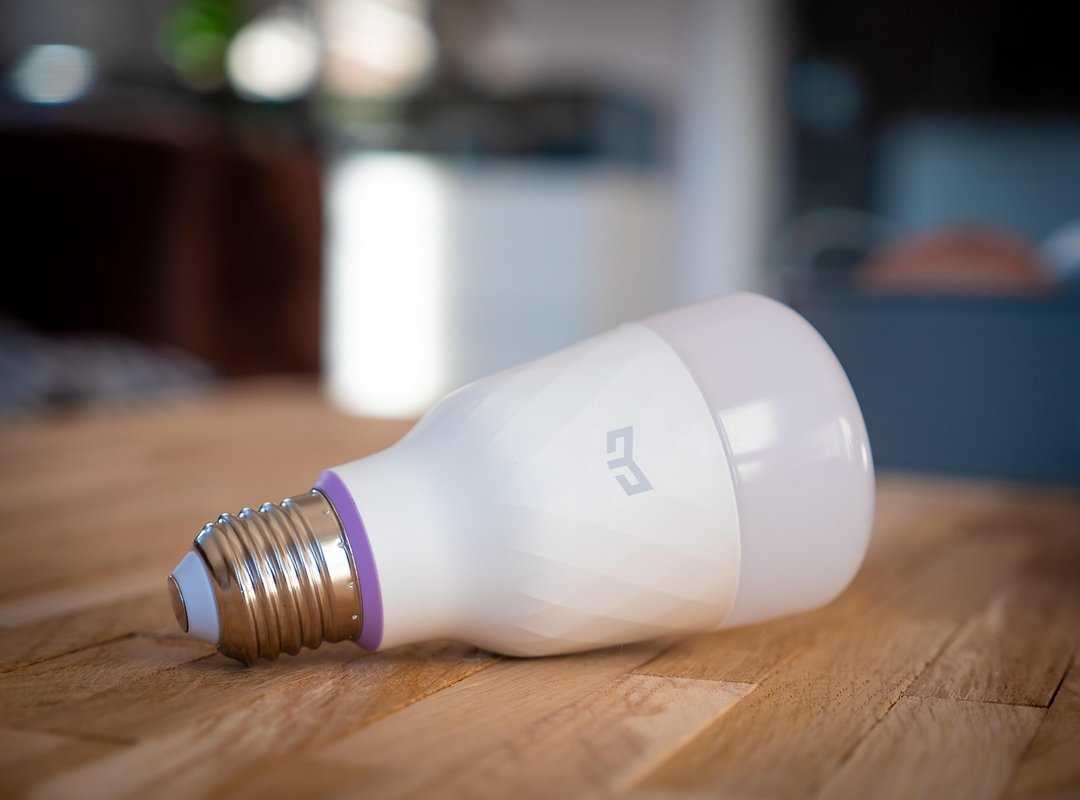
Finally, LED bulbs are the modern standard. They use up to 75% less energy and last up to 25 times longer than incandescent bulbs, according to the U.S. Department of Energy. Plus, they offer dimming, smart controls, and a full range of color temperatures to match your mood. Even Taylor Swift approves.
Smart lighting isn’t just a trend—it’s practical magic. “I love that I can dim the lights without leaving couch,” a homeowner told me. That convenience translates into energy savings too; LED smart bulbs use up to 75% less energy than incandescent bulbs (U.S. Department of Energy).
To begin, start small. Swap bulbs for smart ones in lamps or install a smart dimmer switch. It’s the easiest step toward choosing the right lighting for mood and function.
From there, create scenes like “Movie Night” or “Dinner Party.” As installer said, “When lights talk to your thermostat and speakers, your home listens.”
A lit home is layered. Combine ambient, task, and accent lighting to create depth and purpose in every room. By choosing the right lighting and matching temperature to function, you elevate mood and usability.
- Audit space today.
- Replace one bulb with a warmer or cooler option.
- Plan upgrades with intention.
Bring Your Space to Life with Confidence
You started this guide because you wanted clarity — not confusion — about how to elevate your home with lighting that truly works. Now you understand how layered illumination, smart integrations, and intentional placement can transform the way your space looks and feels.
The real difference comes down to choosing the right lighting for your layout, lifestyle, and design goals. When lighting is off, rooms feel smaller, colder, and less functional. When it’s right, everything works better — from your morning routine to your evening wind-down.
Don’t let poor lighting hold your home back. Take a fresh look at your space today, identify one room that feels dim or disconnected, and start upgrading with a layered lighting plan that fits your needs. Explore smart controls, experiment with warmth levels, and make purposeful fixture selections.
Thousands of homeowners are already transforming their spaces with proven lighting strategies and smart design insights. Now it’s your turn. Start refining your lighting today and turn your home into a space that feels intentional, functional, and beautifully alive.
 Décor & Functional Living Editor
Monica Hollandaverso writes the kind of prist décor and style trends content that people actually send to each other. Not because it's flashy or controversial, but because it's the sort of thing where you read it and immediately think of three people who need to see it. Monica has a talent for identifying the questions that a lot of people have but haven't quite figured out how to articulate yet — and then answering them properly.
They covers a lot of ground: Prist Décor and Style Trends, Smart Home System Integrations, Liv-Inspired Living Concepts, and plenty of adjacent territory that doesn't always get treated with the same seriousness. The consistency across all of it is a certain kind of respect for the reader. Monica doesn't assume people are stupid, and they doesn't assume they know everything either. They writes for someone who is genuinely trying to figure something out — because that's usually who's actually reading. That assumption shapes everything from how they structures an explanation to how much background they includes before getting to the point.
Beyond the practical stuff, there's something in Monica's writing that reflects a real investment in the subject — not performed enthusiasm, but the kind of sustained interest that produces insight over time. They has been paying attention to prist décor and style trends long enough that they notices things a more casual observer would miss. That depth shows up in the work in ways that are hard to fake.
Décor & Functional Living Editor
Monica Hollandaverso writes the kind of prist décor and style trends content that people actually send to each other. Not because it's flashy or controversial, but because it's the sort of thing where you read it and immediately think of three people who need to see it. Monica has a talent for identifying the questions that a lot of people have but haven't quite figured out how to articulate yet — and then answering them properly.
They covers a lot of ground: Prist Décor and Style Trends, Smart Home System Integrations, Liv-Inspired Living Concepts, and plenty of adjacent territory that doesn't always get treated with the same seriousness. The consistency across all of it is a certain kind of respect for the reader. Monica doesn't assume people are stupid, and they doesn't assume they know everything either. They writes for someone who is genuinely trying to figure something out — because that's usually who's actually reading. That assumption shapes everything from how they structures an explanation to how much background they includes before getting to the point.
Beyond the practical stuff, there's something in Monica's writing that reflects a real investment in the subject — not performed enthusiasm, but the kind of sustained interest that produces insight over time. They has been paying attention to prist décor and style trends long enough that they notices things a more casual observer would miss. That depth shows up in the work in ways that are hard to fake.