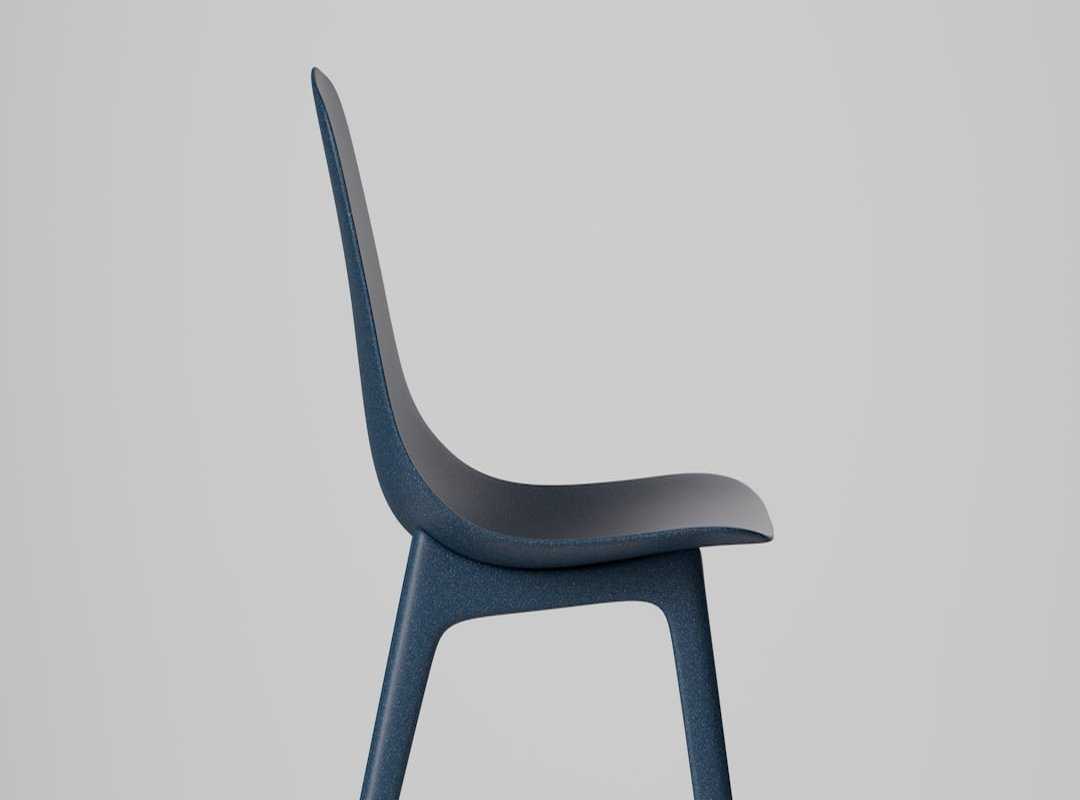

If you’re searching for ways to create a warmer, calmer, and more grounded home, exploring earthy interior color palettes is one of the most impactful places to start. From soft clay tones and muted sage greens to warm taupes and sandy beiges, these nature-inspired hues can instantly transform a space into a welcoming retreat.
This guide is designed to help you understand how to choose the right earthy shades, pair them with complementary textures, and apply them effectively in different rooms. Whether you’re refreshing a single space or reimagining your entire home, you’ll find practical, easy-to-follow advice that aligns with today’s most livable design trends.
Our recommendations are informed by current interior styling research, expert design principles, and real-world home applications—so you can feel confident that the ideas shared here are both beautiful and functional. Let’s explore how to bring depth, balance, and natural harmony into your home.
Interiors that echo the outdoors never go out of style. They calm us in a way sleek trends rarely do. Yet crafting a neutral room that feels warm and layered, not flat or sterile, is harder than Pinterest makes it look. I believe earthy interior color palettes are the quiet heroes of timeless design. Think clay, moss, sand, stone. USED WELL, THEY BREATHE.
To build serenity:
- Layer texture over tone.
- Let light shape the mood.
- Edit ruthlessly (yes, even that trendy vase).
Skeptics say neutrals are boring; I say they demand intention. Done right, they LIVE. Done lazily, they whisper.
Beyond Beige: The Core Elements of Natural Palettes
As you explore the warm, inviting hues of earthy color palettes making a comeback this year, don’t forget to check out our Home Renovation Tips at Miprenovate to bring your vision to life – for more details, check out our Home Renovation Tips Miprenovate.
When I talk about Natural Neutrals, I’m not talking about builder-grade beige or default gray. I mean the layered, living colors you see in stone veining, sun-washed sand, raw timber, and open sky. Natural neutrals are complex, not flat. They shift with light, just like nature does (which is why they never feel boring).
Psychologically, these tones work because our brains recognize them as safe and familiar. Research in environmental psychology shows nature-based hues can reduce stress and support calm focus (Kellert & Calabrese, 2015). In a home, that translates to spaces that feel grounding rather than overstimulating. Personally, I think that’s why earthy interior color palettes outlast trend cycles.
Here’s how I categorize the core tones:
- Earth Tones: Warm sands, baked clays, cool mineral grays.
- Wood Tones: Pale birch, soft ash, mid-tone oak, deep walnut, inky ebony.
- Atmospheric Tones: Misty blue-grays, cloudy whites, quiet water hues.
- Foliage Tones: Muted sage, olive, moss—greens that act like neutrals.
Some argue neutrals are “safe” or unimaginative. I disagree. When layered well, they create depth that bold colors often can’t sustain (think Nancy Meyers interiors, not a blank rental wall). Pro tip: vary undertones to avoid a flat look.
Scheme 1: The Warmth of Sandstone and Clay
There’s a reason designers keep returning to earthy interior color palettes. Research in environmental psychology shows that warm neutrals—like beige and terracotta—can increase perceived comfort and relaxation levels in living spaces (Journal of Environmental Psychology, 2019). In other words, your home can literally feel warmer without touching the thermostat.
Concept: This palette draws from sun-baked deserts and hand-thrown ceramics, blending softness with structure for a grounded, welcoming atmosphere.
Palette Breakdown:
- Primary: Warm off-whites, creamy beiges, soft tans
- Secondary: Muted terracotta, dusty rose, soft ochre
- Accent: Charcoal gray or deep espresso-toned wood for contrast
Some critics argue warm neutrals look “dated” compared to cool grays. Yet Zillow’s 2023 paint color analysis found that warm, natural tones can positively influence buyer perception and resale value. Trendy fades; warmth lingers (just ask anyone who survived the all-gray era).
Practical Application: Picture a living room with sandy-hued walls, a terracotta accent chair, and dark wood furniture anchoring the space. The contrast prevents the room from feeling flat while maintaining cohesion.
Functional Space Hack: North-facing rooms receive cooler light (U.S. DOE). Warm palettes counteract that chill beautifully. Pro tip: Layer textures—linen, clay, raw wood—for depth.
For material ideas, explore sustainable decor eco friendly materials for stylish homes.
Scheme 2: The Serenity of a Misty Coastline

Imagine stepping into a space that feels like a quiet walk along a foggy shore at dawn. This scheme captures that airy stillness through cool off-whites and light grays with subtle blue or green undertones as the primary base. These hues reflect light gently, making even smaller rooms feel open and breathable. Meanwhile, muted seafoam, dusty sky blue, and the color of wet pebbles layer in softness without overwhelming the eye.
For contrast, accents like weathered oak, soft black, or brushed nickel ground the palette. Think light gray walls, soft blue linens, and pale wood flooring in a bedroom. In a bathroom, brushed nickel fixtures against misty tile create a spa-like retreat (the kind that makes you whisper for no reason).
Some argue this look feels too cold or minimal. However, when balanced with natural textures—linen curtains, woven baskets, warm wood—it avoids sterility and instead feels intentional. In fact, it pairs beautifully with earthy interior color palettes when subtle warmth is introduced thoughtfully.
Aligned with minimalist, Japandi, and modern coastal styles, this approach emphasizes natural light and uncluttered surfaces. Consequently, the room feels calm, functional, and quietly luxurious.
Scheme 3: The Depth of a Forest Floor
If you’re drawn to interiors that feel grounded and quietly luxurious, this is the palette I recommend. Inspired by the layered richness of a woodland floor, it centers on complex mushroom gray (often called greige, a blend of gray and beige), deep taupe, and muted olive green. Together, these tones create a cocooning backdrop that feels refined rather than rustic.
To build depth, layer in mossy greens, slate gray, and rich soil browns. Then, anchor the scheme with accents like dark walnut wood, burnished brass hardware, or even a black leather chair (the kind that makes you want to read for hours). This approach works beautifully in studies, libraries, or dens—anywhere focus and calm matter most.
Start with a deep greige on the walls. Next, introduce olive green velvet seating and warm brass lighting fixtures to add softness and glow. However, balance is essential. Without variation, darker neutrals can feel heavy.
So, how do you prevent that? Prioritize texture and layered lighting. Combine visible wood grain, stone surfaces, wool throws, and linen drapery. Add ambient, task, and accent lighting to create dimension. Pro tip: use dimmers to shift the mood from productive to intimate instantly.
Among earthy interior color palettes, this one feels timeless yet deeply personal.
Nature offers the most timeless color blueprints. Studies in environmental psychology show that rooms inspired by landscapes reduce stress levels by up to 15% (University of Minnesota). That is why earthy interior color palettes feel instinctively right.
The secret is layering texture and tone. Think linen against oak, stone beside clay. Designers call this “material contrast”—pairing similar hues with varied surfaces to create depth. A 2022 Houzz survey found 68% of homeowners preferred neutral schemes when texture was emphasized.
Start simply:
- Gather stone, wood, fabric.
- Observe them in morning and evening light.
Pro tip: photograph combinations.
Bring Your Space to Life with Purpose and Style
You came here looking for practical, inspiring ways to elevate your home with smarter design choices, better functionality, and cohesive style. Now you have the tools to do exactly that—from integrating technology seamlessly to embracing earthy interior color palettes that ground your space in warmth and intention.
The real frustration isn’t a lack of ideas—it’s not knowing how to bring everything together in a way that feels polished, livable, and uniquely yours. When rooms feel cluttered, disconnected, or outdated, it affects how you relax, focus, and live every day.
The next step is simple: start applying one concept at a time. Refresh a room with a nature-inspired palette. Upgrade one area with a smart system that simplifies your routine. Rework a tight corner using a functional space hack that maximizes flow.
If you’re ready for a home that feels intentional, modern, and effortlessly functional, explore our in-depth guides and curated design insights today. Join thousands of readers transforming their spaces with proven, practical strategies—start creating a home that truly works for you now.
 Smart Home Systems & Integration Specialist
Herbert Hamiltonatier is the kind of writer who genuinely cannot publish something without checking it twice. Maybe three times. They came to smart home system integrations through years of hands-on work rather than theory, which means the things they writes about — Smart Home System Integrations, In-Depth Guides, Highlight Hub, among other areas — are things they has actually tested, questioned, and revised opinions on more than once.
That shows in the work. Herbert's pieces tend to go a level deeper than most. Not in a way that becomes unreadable, but in a way that makes you realize you'd been missing something important. They has a habit of finding the detail that everybody else glosses over and making it the center of the story — which sounds simple, but takes a rare combination of curiosity and patience to pull off consistently. The writing never feels rushed. It feels like someone who sat with the subject long enough to actually understand it.
Outside of specific topics, what Herbert cares about most is whether the reader walks away with something useful. Not impressed. Not entertained. Useful. That's a harder bar to clear than it sounds, and they clears it more often than not — which is why readers tend to remember Herbert's articles long after they've forgotten the headline.
Smart Home Systems & Integration Specialist
Herbert Hamiltonatier is the kind of writer who genuinely cannot publish something without checking it twice. Maybe three times. They came to smart home system integrations through years of hands-on work rather than theory, which means the things they writes about — Smart Home System Integrations, In-Depth Guides, Highlight Hub, among other areas — are things they has actually tested, questioned, and revised opinions on more than once.
That shows in the work. Herbert's pieces tend to go a level deeper than most. Not in a way that becomes unreadable, but in a way that makes you realize you'd been missing something important. They has a habit of finding the detail that everybody else glosses over and making it the center of the story — which sounds simple, but takes a rare combination of curiosity and patience to pull off consistently. The writing never feels rushed. It feels like someone who sat with the subject long enough to actually understand it.
Outside of specific topics, what Herbert cares about most is whether the reader walks away with something useful. Not impressed. Not entertained. Useful. That's a harder bar to clear than it sounds, and they clears it more often than not — which is why readers tend to remember Herbert's articles long after they've forgotten the headline.