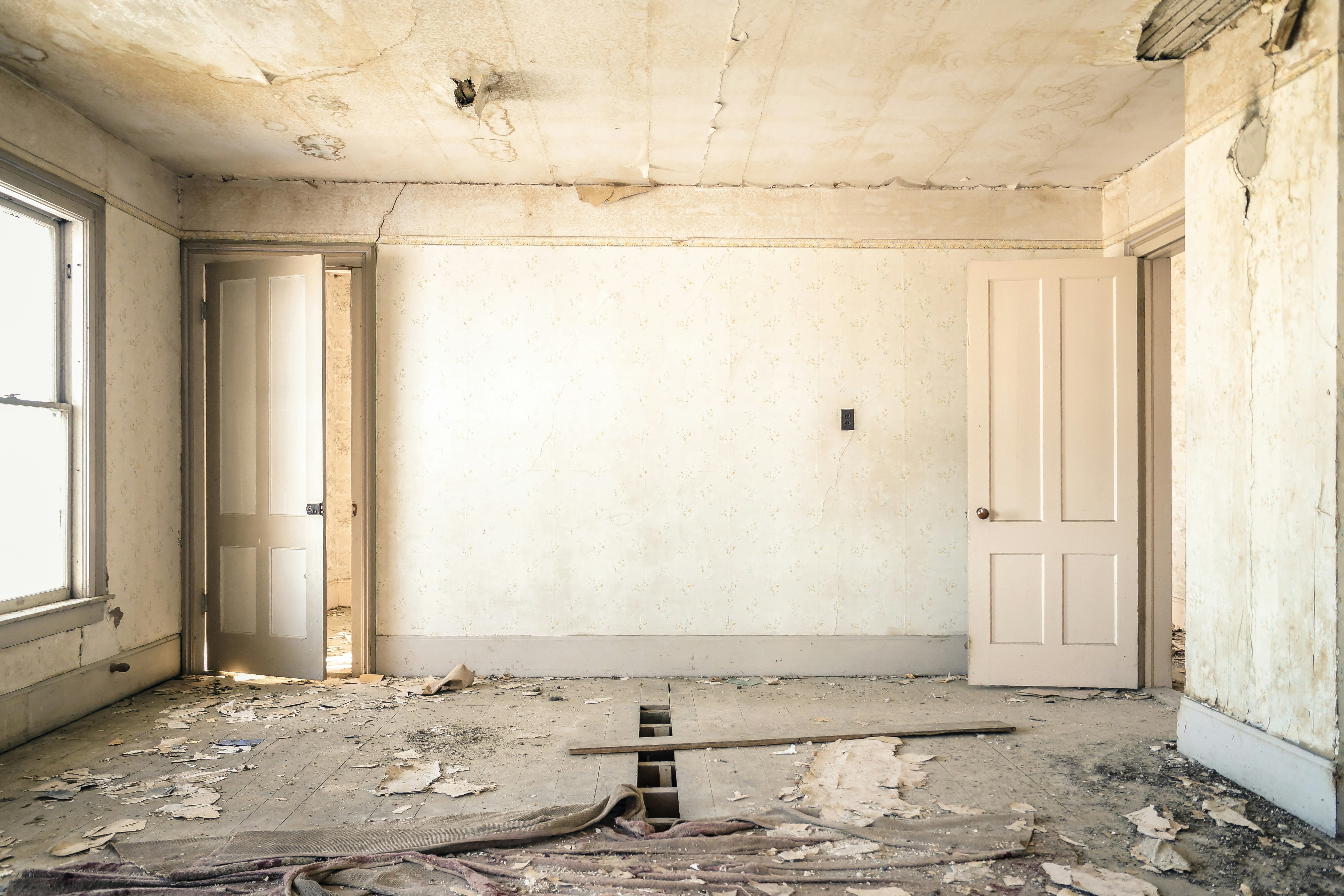

Ever stared at your home and thought, “I want to update this, but all that waste and those chemicals?” It’s a real concern. You want a refresh without guilt. Here’s where I come in.
I’ve spent years in home décor, finding ways to make your space gorgeous and green. This isn’t about sacrifice. It’s about smart choices.
In this guide, you’ll discover how sustainable materials renovation can be stylish and simple. I’ll share what I’ve learned (the hard way sometimes) so you can skip the waste and keep the beauty. Expect actionable ideas and specific material recommendations.
You’ll have the confidence to start your own eco-friendly project. Imagine a home that’s not just beautiful, but healthy and kind to the planet. Ready to dive in?
Why Bother with Eco-Friendly Renovation? More Than Just ‘Green’
Ever wonder why everyone’s so hyped about eco-friendly refurbishment? It’s not just about hugging trees. It’s about making smart choices for your home and health.
Let’s dive in. We all know about the environmental perks, but what about your indoor air quality? Low or zero-VOC products can a lot improve it.
No more headaches or breathing issues from nasty chemicals. Sounds like a win, right?
Think about aesthetics. Natural materials like reclaimed wood or bamboo add a unique charm synthetic stuff just can’t match. They bring warmth, texture, character.
Isn’t that what you want in a home? Plus, who doesn’t love cost savings? Upcycling and refurbishing are often cheaper than buying new.
And these eco-materials are tough. They last, saving you money in the long run. It’s practical and stylish.
Curious about integrating these ideas into your home style? Check out this complete guide to mid century modern style. It’s a goldmine for inspiration.
So, why settle for regular when you can have eco-friendly elegance? Sustainable materials renovation is more than just a trend. It’s a lifestyle choice that benefits everyone.
The Sustainable Toolkit: Key Materials for Your Project
When it comes to sustainable materials renovation, choosing the right building blocks is key. Let’s dig into some options.
Paints & Finishes: You’re probably thinking, “What can I use that’s both green and looks great?” Well, milk paint is your answer for a rustic, matte finish. It’s been around forever and holds up well. Want something more modern? Try low or zero-VOC latex paint. It gives you a durable finish without the toxic fumes. Lastly, natural oil finishes like tung or linseed oil protect wood surfaces beautifully. They don’t just preserve; they boost the natural look.
Wood & Surfaces
Now, when it comes to wood, don’t just grab the first piece you see. Reclaimed wood is salvaged from old structures, giving you a historical touch. Salvaged wood, on the other hand, comes from fallen trees or offcuts.
It’s less about history, more about sustainability. For a certified option, FSC-certified wood ensures that you’re getting wood harvested with responsibility. If you want to break away from traditional wood, consider bamboo or cork.
They’re sustainable and ideal for flooring and countertops.
Fabrics & Upholstery: You might wonder why synthetic materials like polyester still get used. They’re cheap, sure, but they’re not eco-friendly. Organic cotton, linen, hemp, and jute are natural, renewable options that are way better. Hemp is tough enough for high-traffic chairs, while linen gives a softer feel.
For a more detailed look at sustainable options in construction, check out sustainable management construction and demolition materials. It’s a solid resource.
Pro Tip: Always double-check the source of your materials. It’s easy to get fooled by greenwashing (when companies pretend to be eco-friendly). Stay sharp and make choices that truly help the planet.
Reviving an Old Wooden Dresser: A Sustainable Approach
So you’re staring at that old wooden dresser, right? Looks like it might bite back if you get too close. Don’t worry.
I’ve been there.
Start with Step 1: Prep & Cleaning. Use a vinegar and water solution instead of toxic cleaners. It’s simple and non-toxic (perfect if you’ve got kids or pets running around).
Sanding is key, too. It’s a bit of elbow grease but worth it to strip off old paint without chemicals. Ever tried it?
Kind of therapeutic.
Now for Step 2: Painting & Staining. Use milk paint or a zero-VOC paint for a fresh coat. They’re safer for you and the planet.
Pro tip: grab a natural bristle brush. It gives you a smoother finish and fewer streaks. Feels professional, even if you’re not.
Step 3: Sealing & Protecting comes next. Apply a natural wax or oil finish. This adds a soft sheen and keeps the wood durable. You’ll thank yourself later when it withstands daily wear.
Finally, Step 4: The Finishing Touches. Hit thrift stores or specialty shops for secondhand hardware. Knobs, pulls, you name it.
It’s the icing on the cake for your eco-friendly upgrade. Plus, every piece has a story, right?
For more on making smarter choices at home, check out this Ultimate Guide Home Automation Systems. Renovations with sustainable materials renovation can truly transform not just your space but how you feel in it. Now get to it.
Your new-old dresser awaits.
Beyond Furniture: Quick Ideas for Floors, Walls, and Decor
You ever notice how we focus so much on furniture that we ignore everything else? Floors, walls, and decor can transform a space without breaking the bank. Let’s start with floors.

Refinishing existing hardwood with a water-based, low-VOC polyurethane is a game-changer. Why rip up perfectly good floors when you can revitalize them? And if you’re thinking new, cork or bamboo flooring are fantastic sustainable options.
They’re good for the planet and feel great underfoot.
Now, walls. Forget basic paint. Natural clay or lime-based plasters offer a unique, textured finish.
They’re breathable and mold-resistant, which is a huge plus. Eco-friendly wallpaper made from recycled paper can also add character without the guilt. Seriously, when was the last time wallpaper was exciting?
Lighting and decor deserve a shout too. Antique stores and flea markets are treasure troves. A simple rewiring can make a vintage lamp safe and modern.
Who knew a little DIY could bring such charm? It’s all about those ‘aha!’ moments. Incorporating sustainable materials renovation into your home doesn’t mean you have to compromise on style.
It’s about smart choices that look and feel good. What’s your next move?
Avoid These Mistakes for Success
Let’s talk about sustainable materials renovation. You can’t skip prep work. Trust me.
Cleaning and sanding are key (even with eco-paints). Ignore them, and you’re begging for a mess.
Then there’s the material. Laminate isn’t solid wood. Treat them the same, and you’re in for a surprise.
Test a spot first. It’s simple and saves frustration.
Pro tip: Check the source. Certifications like FSC for wood or GOTS for textiles matter. They’re your green light for genuine sustainability.
Why gamble with authenticity? That’s just asking for trouble, isn’t it?
Embrace a Greener Home Makeover
You want a fresh look without wrecking the planet. I get it. This guide shows you how a beautiful home and a clear conscience can coexist.
Choosing sustainable materials renovation means you improve your space, your health, and your savings. It’s all about those conscious choices that make a big impact.
Start small. Pick a project. Maybe a picture frame or a side table.
Feel the satisfaction of doing good while making your home yours. Ready to see how easy and rewarding it is? Dive in this weekend.
You’ll thank yourself, and so will the earth.
 Founder & Creative Director
Tavien Veyland has opinions about liv-inspired living concepts. Informed ones, backed by real experience — but opinions nonetheless, and they doesn't try to disguise them as neutral observation. They thinks a lot of what gets written about Liv-Inspired Living Concepts, Smart Home System Integrations, In-Depth Guides is either too cautious to be useful or too confident to be credible, and they's work tends to sit deliberately in the space between those two failure modes.
Reading Tavien's pieces, you get the sense of someone who has thought about this stuff seriously and arrived at actual conclusions — not just collected a range of perspectives and declined to pick one. That can be uncomfortable when they lands on something you disagree with. It's also why the writing is worth engaging with. Tavien isn't interested in telling people what they want to hear. They is interested in telling them what they actually thinks, with enough reasoning behind it that you can push back if you want to. That kind of intellectual honesty is rarer than it should be.
What Tavien is best at is the moment when a familiar topic reveals something unexpected — when the conventional wisdom turns out to be slightly off, or when a small shift in framing changes everything. They finds those moments consistently, which is why they's work tends to generate real discussion rather than just passive agreement.
Founder & Creative Director
Tavien Veyland has opinions about liv-inspired living concepts. Informed ones, backed by real experience — but opinions nonetheless, and they doesn't try to disguise them as neutral observation. They thinks a lot of what gets written about Liv-Inspired Living Concepts, Smart Home System Integrations, In-Depth Guides is either too cautious to be useful or too confident to be credible, and they's work tends to sit deliberately in the space between those two failure modes.
Reading Tavien's pieces, you get the sense of someone who has thought about this stuff seriously and arrived at actual conclusions — not just collected a range of perspectives and declined to pick one. That can be uncomfortable when they lands on something you disagree with. It's also why the writing is worth engaging with. Tavien isn't interested in telling people what they want to hear. They is interested in telling them what they actually thinks, with enough reasoning behind it that you can push back if you want to. That kind of intellectual honesty is rarer than it should be.
What Tavien is best at is the moment when a familiar topic reveals something unexpected — when the conventional wisdom turns out to be slightly off, or when a small shift in framing changes everything. They finds those moments consistently, which is why they's work tends to generate real discussion rather than just passive agreement.