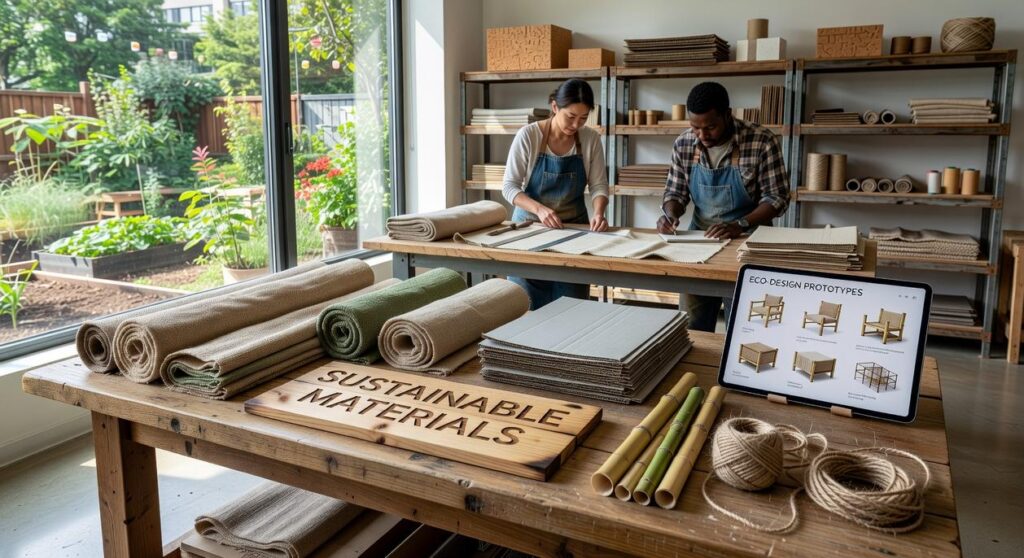
Creating a beautiful home shouldn’t come at the expense of the planet. If you’re looking to embrace sustainability but feel overwhelmed by vague labels and conflicting advice, you’re not alone. Choosing the right sustainable home decor materials can feel confusing—especially when you want style, function, and authenticity all in one space. This guide simplifies the process. Drawing on deep expertise in functional design and modern style trends, we break down which eco-friendly materials truly make an impact and how to use them confidently. By the end, you’ll have a clear, practical roadmap to designing a greener, more stylish home.
I still remember hauling a stack of weathered boards into my garage, unsure if they were junk or treasure. Once cleaned, the grain told a story—nail marks, saw lines, even a faint paint shadow. That’s the magic of reclaimed wood: timber salvaged from old barns, factories, or homes and given a second life. Its character makes stunning feature walls, sturdy shelving, and statement furniture (the kind guests run their hands over without realizing). Better yet, reusing wood reduces deforestation and keeps usable material out of landfills, a win cited by the U.S. EPA’s waste reduction reports.
Recycled glass—melted-down bottles and scraps reborn into countertops or backsplashes—brings vibrant color and terrazzo-like sparkle. I once installed a cobalt-flecked backsplash that caught morning light like sea glass. Beyond beauty, recycling glass diverts tons of waste from landfills each year (EPA data consistently highlights glass recovery benefits).
Then there’s recycled metal, prized for durability in lighting fixtures, table legs, and hardware. Producing recycled aluminum, for example, uses about 95% less energy than virgin production (U.S. Department of Energy). That’s power saved without sacrificing strength. Choosing sustainable home decor materials isn’t just stylish—it’s smart, resilient design with history built in.
Naturally Chic: Embracing Plant-Based and Renewable Fibers
Designing with plant-based materials isn’t just a trend—it’s backed by measurable environmental impact. When chosen thoughtfully, these fibers reduce resource strain while elevating your interiors with texture and warmth.
Bamboo is technically a grass, yet it rivals hardwood in strength. Some species grow up to 35 inches per day (Guinness World Records), making it HIGHLY RENEWABLE compared to oak trees that take decades to mature. Strand-woven bamboo flooring has a tensile strength comparable to steel (U.S. Department of Agriculture data), which explains its durability in flooring and furniture. Critics argue bamboo processing can involve chemicals—but low-VOC certified products address this concern (pro tip: always verify third-party certifications).
Cork is harvested from the bark of cork oak trees without cutting the tree down. The bark regenerates every 9–12 years, and cork forests absorb up to 14 million tons of CO2 annually (European Cork Association). As flooring or wall tiles, cork offers NATURAL INSULATION and sound absorption—ideal for apartments where footsteps shouldn’t echo like a drum solo.
Jute, hemp, and sisal bring EARTHY TEXTURE and durability to rugs, baskets, and upholstery. Hemp, in particular, requires 50% less water than conventional cotton (Textile Exchange). All three are biodegradable, making them practical sustainable home decor materials that won’t linger in landfills for centuries.
Organic cotton and linen reduce pesticide exposure and often use less water. Organic cotton farming can cut water consumption by up to 91% compared to conventional methods (Soil Association). For curtains, bedding, and throws, that’s comfort with evidence-backed impact.
For cohesive styling, explore open shelving styling tips for a clean and pristine look.
The Future is Green: Innovative Materials for the Modern Home
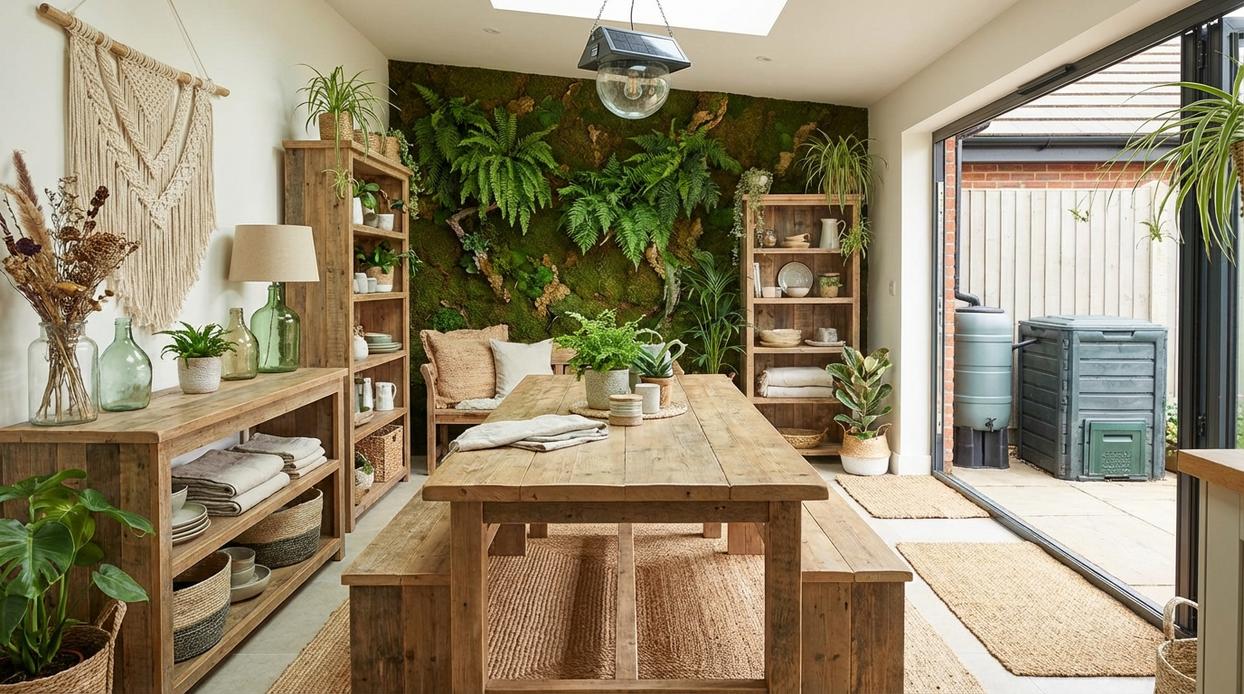
Sustainability is no longer a fringe idea whispered about at Brooklyn design fairs or Portland maker markets. It’s shaping the core of modern interiors—especially when it comes to sustainable home decor materials.
Mycelium: Design Grown from the Ground Up
First, let’s talk about mycelium—the root-like structure of fungi. When combined with agricultural waste, it forms a lightweight, moldable material that can be grown into lampshades, acoustic panels, and even sculptural side tables. Unlike petroleum-based foams, mycelium is compostable at end of life (yes, you can literally return it to the soil). Critics argue it lacks durability for high-traffic homes. Fair point. However, for décor accents and soundproofing in city apartments—think converted lofts in Chicago—it performs remarkably well.
Meanwhile, recycled plastic composites are redefining outdoor living. Made from post-consumer plastics, these materials show up in decking, Adirondack chairs, and weather-resistant rugs. They resist moisture, warping, and UV damage—ideal for humid coastal climates like Charleston. Some homeowners worry about aesthetics, assuming “recycled” means cheap-looking. In reality, modern composites mimic hardwood convincingly (even seasoned contractors do a double take).
Finally, low-VOC and zero-VOC paints tackle indoor air quality. VOCs—Volatile Organic Compounds—are chemicals that evaporate into the air, contributing to headaches and respiratory irritation (EPA). Choosing certified low-VOC options keeps your air fresher, especially in tightly sealed smart homes.
Smart & Sustainable: Practical Tips for Decorating with Purpose
Start Small, Think Big
Redecorating sustainably isn’t a sprint; it’s more like planting a garden. You don’t dump a truck of seeds at once—you start with one patch. Swap in a jute rug or recycled glass vases and build from there. Small changes compound over time (like interest in a savings account). If the idea feels overwhelming, remember: one thoughtful swap is progress.
The Power of Secondhand
Thrifting is the treasure hunt of home design. Instead of mining new resources, you’re rediscovering stories. Look for solid wood construction, sturdy joints, and timeless shapes you can repaint or reupholster. Scratches? Think “character,” not flaw. Upcycling is the ultimate form of sustainable decoration because it keeps items in use and out of landfills (EPA, 2023).
Look for Certifications
Labels are like nutrition facts for your home. FSC ensures responsibly managed forests, while GOTS verifies organic textiles meet strict environmental standards. Choosing certified sustainable home decor materials helps you decorate with clarity—not guesswork.
Your Sustainable Sanctuary Awaits
You came here looking for clarity on how to design a home that feels beautiful, intentional, and environmentally responsible. Now you have a practical toolkit of sustainable home decor materials to confidently bring that vision to life.
The overwhelm around eco-friendly design fades when you focus on reclaimed, renewable, and innovative options. Materials like bamboo, reclaimed wood, and low-VOC paints don’t just elevate your space—they actively support your health and reduce environmental impact.
Don’t let confusion stall your progress. Choose one material from this guide and commit to incorporating it into your next project. Start small, start smart, and take the first step toward a home that truly reflects your values.