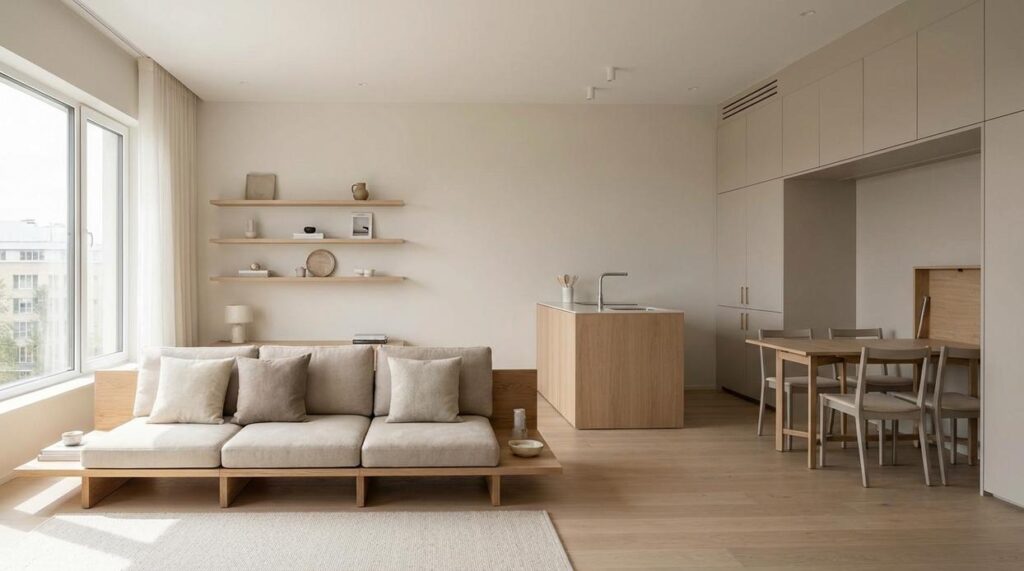
Creating a home that feels beautiful, functional, and truly livable can feel overwhelming—especially with endless trends, tech upgrades, and décor advice competing for your attention. If you’re searching for practical ways to elevate your space while maintaining comfort and clarity, you’re in the right place. This guide explores Liv-Inspired Living Concepts, Prist Décor and Style Trends, Smart Home System Integrations, Functional Space Hacks, and in-depth strategies designed to help you achieve the perfect minimalist cozy balance.
We focus on solutions that are both aesthetically refined and realistically achievable, blending modern design principles with smart functionality. From optimizing small spaces to integrating intuitive home systems, every insight is grounded in thoughtful research and real-world application. You’ll discover how to simplify without sacrificing warmth, upgrade without overcomplicating, and design spaces that support your daily life with intention and ease.
Start by clearing surfaces you see daily; visual clutter quietly taxes your brain, a phenomenon psychologists call cognitive load. Next, group items by function and store them in labeled baskets or drawers—think of it as giving every object a home address. Then, layer soft lighting, natural textures, and one calming scent to create minimalist cozy balance. For example, a neutral sofa, wool throw, and dimmable lamps can transform a loud room into a retreat. Finally, integrate simple smart routines—lights lowering, music softening—so your space supports, not startles, you. What could feel better than walking into instant calm? Start small today.
The Foundation of Calm: Mastering Color, Light, and Texture
The Power of a Neutral Palette
First, consider the difference between bold jewel tones and muted neutrals. A room drenched in saturated reds and cobalt blues can feel energetic—but also mentally loud. In contrast, beiges, soft grays, and warm whites act as a visually quiet backdrop, reducing what designers call visual noise (the overstimulation caused by too many competing elements). Think of it as the difference between Times Square and a quiet café. One energizes; the other restores. While some argue neutrals are boring, the truth is they create space for minimalist cozy balance—calm without feeling cold. (And no, neutral doesn’t mean “builder-grade beige.”)
Layering Natural Light
Next, let’s compare heavy drapes versus sheer curtains. Heavy fabrics block daylight and create dramatic contrast. Sheers, however, diffuse sunlight, softening shadows and brightening corners. To amplify daylight, position mirrors opposite windows to reflect light deeper into the room. Keep window sills clear; even small objects interrupt flow. According to the U.S. Department of Energy, natural light can reduce reliance on artificial lighting, improving mood and energy efficiency. Pro tip: choose warm LED bulbs for evenings to mimic sunset tones and avoid harsh glare.
Tactile Comfort
Finally, texture transforms flat spaces into inviting ones. A leather sofa alone feels sleek; add a chunky knit throw, linen cushions, and a soft wool rug, and suddenly the room invites you to stay awhile (cue the cozy movie-night montage).
The 3-Texture Rule
For beginners, follow the 3-Texture Rule: combine one soft texture, one structured material, and one natural element. For example, wool + wood + linen. This layering adds depth without chaos—balanced, intentional, and effortlessly calm.
Declutter and Organize: The Art of Functional Minimalism
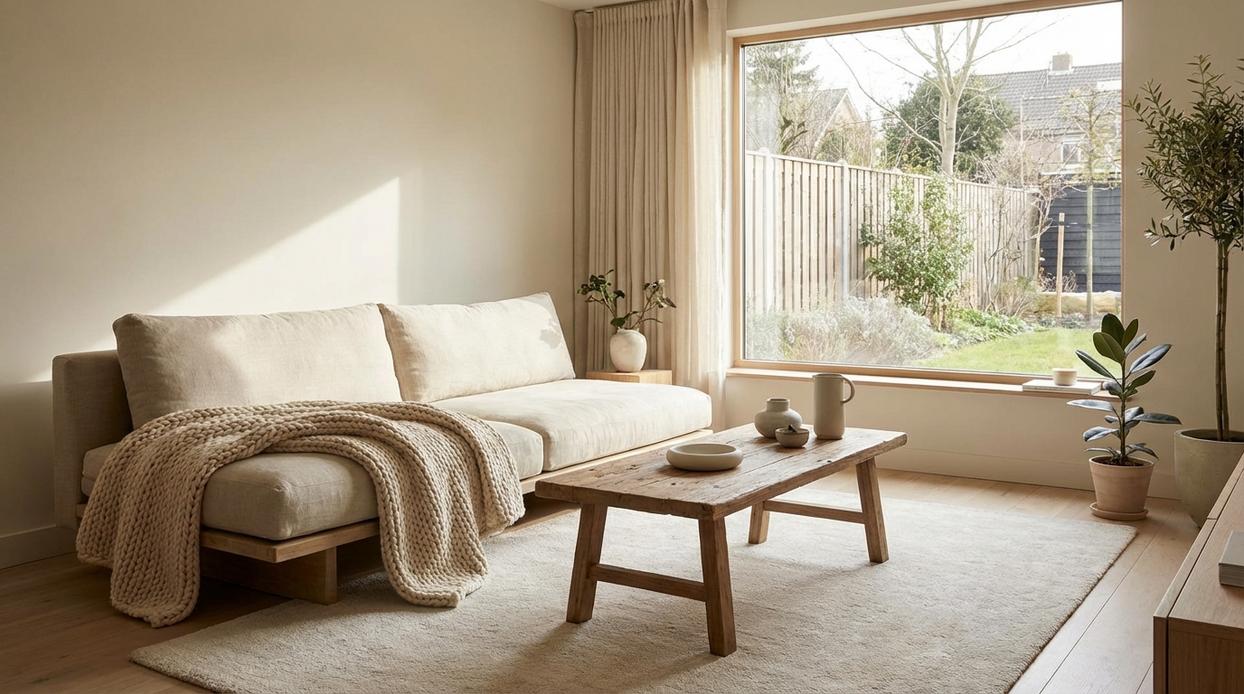
Clutter doesn’t just crowd your space—it crowds your mind. A UCLA study on household organization found that high-density cluttered homes are linked to increased cortisol levels, especially in women (Center on Everyday Lives of Families, 2012). In other words, your overflowing junk drawer might actually be stressing you out.
The “One In, One Out” Principle
This rule is exactly what it sounds like: for every new item you bring home, one item leaves. It’s a behavioral boundary that prevents accumulation before it starts. Retail analysts note the average American home contains over 300,000 items (LA Times). Without a system, that number only grows. Think of it as editing your life in real time (Marie Kondo would approve).
Smart Storage Solutions
Multi-functional furniture isn’t just trendy—it’s practical. Storage ottomans, lift-top coffee tables, and beds with drawers reduce visible clutter while maximizing square footage. In smaller homes, these solutions can increase usable storage by up to 30%, according to data from the National Association of Home Builders. Hidden storage supports that minimalist cozy balance we all want—clean, but still lived-in.
Pro tip: Choose furniture that closes fully. Open shelving looks great on Instagram, but closed storage hides the chaos of daily life.
The “Everything Has a Home” Hack
Create designated spots for:
- Keys (a wall hook or small tray)
- Mail (a vertical sorter)
- Chargers and electronics (labeled drawer dividers)
When items have assigned homes, decision fatigue drops. Researchers at Princeton University found visual clutter competes for your attention, reducing focus.
Digital Decluttering
Your desktop counts too. Organize files into clearly labeled folders and unsubscribe from excess emails. A tidy digital space reinforces a sense of control and harmony—proof that order, physical or digital, shapes how we feel every day.
Effortless Ambiance: Integrating Smart Technology for Relaxation
I used to think adding more smart devices would automatically make my home more relaxing. Instead, I created a tech circus—five apps, constant notifications, and lights that turned purple at 2 a.m. (Not exactly spa vibes.) Here’s what I learned.
Automated Lighting Scenes
Smart bulbs let you create lighting scenes—pre-set combinations of brightness and color temperature (how warm or cool light appears). A “Relax” scene might use warm, dim light (around 2700K), while “Read” leans brighter and cooler. At first, I overcomplicated it with too many options. Now? Three scenes max. Research shows warmer light in the evening supports melatonin production and better sleep (Harvard Health). Less truly is more when aiming for minimalist cozy balance.
Soundscapes for Serenity
Smart speakers can play soundscapes—continuous ambient audio like rainfall or white noise (a steady sound that masks disruptions). I once layered ocean waves over jazz. Chaos. Choose one consistent background to reduce cognitive load (American Psychological Association notes steady background noise can improve focus in some settings).
Temperature and Air Quality
Smart thermostats and air purifiers automate comfort. Studies show optimal sleep occurs around 60–67°F (National Sleep Foundation). I ignored this for months—big mistake. Automating it changed everything.
Keeping It Simple
Some argue full integration is expensive and unnecessary. Fair. But juggling disconnected systems is more stressful. Choose devices that sync in one ecosystem. Pro tip: test compatibility before buying. Your future self will thank you.
Biophilic design isn’t just a trend; it’s a response to boxed-in urban living. In high-rise apartments overlooking downtown skylines, even a snake plant or pothos can soften hard edges. These low-maintenance plants are known to filter indoor air pollutants (NASA Clean Air Study) and thrive in indirect light.
• Choose ceramic or terracotta planters for breathability.
• Rotate plants seasonally to match local humidity shifts.
Layer in wood, stone, or bamboo to echo nearby landscapes—think Pacific Northwest cedar or Southwest sandstone. Arrange seating toward windows, framing that small patch of sky for minimalist cozy balance. Even renters can make impactful swaps. Affordably.
Bringing Harmony Home: Your Next Steps
You now have the essential tools to curate a living space that actively promotes relaxation and simplicity. Still, knowledge only matters when you use it. So start small and be specific. First, clear one surface and keep it sacred from clutter. Next, add one plant to soften the edges of a room. Then, program one calming lighting scene for evenings. Together, these simple moves create minimalist cozy balance. In other words, you’re building a system, not decorating. Some argue a sanctuary requires full renovation. Actually, consistency beats overhaul. Choose one action today and begin.
Create Your Perfect Minimalist Cozy Balance
You came here looking for clarity on how to design a home that feels warm without feeling cluttered — and now you have the blueprint to achieve that minimalist cozy balance. By blending clean lines with layered textures, smart storage with intentional décor, and technology with comfort, you can finally create a space that feels calm, functional, and deeply personal.
The real challenge was never about choosing between minimalism and comfort. It was about making them work together in a way that fits your lifestyle. When your space feels chaotic or uninspired, it drains your energy. When it’s thoughtfully designed, it restores you.
Now it’s time to take action. Start with one room. Declutter with purpose. Add warmth through texture and lighting. Integrate smart systems that simplify your daily routines. Small, intentional changes will create lasting impact.
If you’re ready to transform your home into a space that feels both elevated and effortlessly livable, explore our expert-backed guides and proven design frameworks trusted by thousands of modern homeowners. Don’t settle for a space that almost works — create one that truly does. Start today.