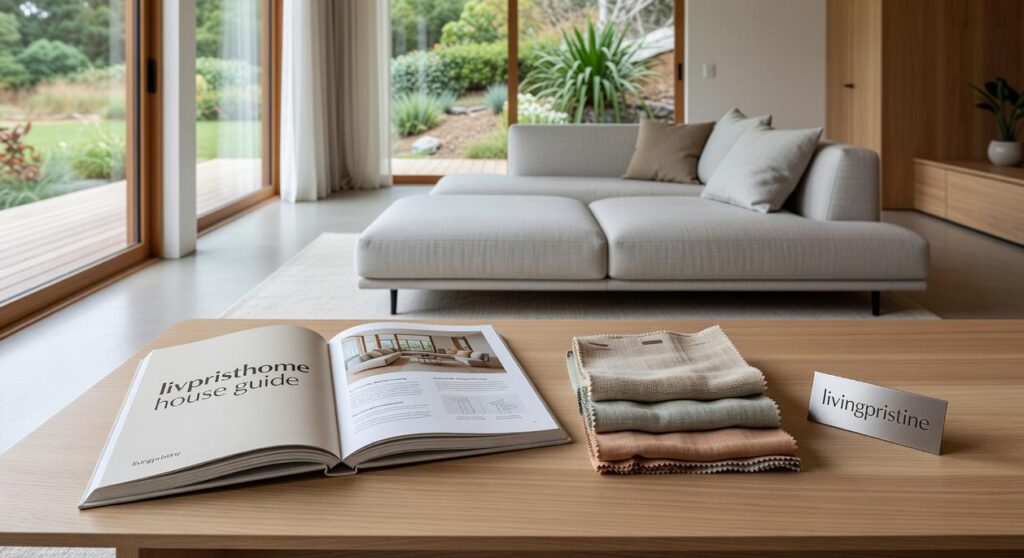
I’ve cleaned the same spaces over and over, only to watch them fall apart within days.
You’re probably tired of the cycle too. You spend a weekend deep cleaning and organizing, then wake up two weeks later wondering how everything got messy again.
Here’s the thing: most cleaning advice focuses on the wrong problem. It tells you how to clean but not how to build a system that keeps things clean.
I developed the Living Pristine approach after years of testing what actually works in real homes. Not magazine-perfect spaces that nobody lives in. Actual homes where people cook, work, and raise families.
This guide walks you through the complete framework. You’ll learn how to set up spaces that naturally resist clutter and chaos. Not through constant effort but through smart design choices that make maintenance almost automatic.
We’re not talking about minimalism or throwing everything away. We’re talking about creating a home that functions beautifully without requiring you to be a full-time housekeeper.
You’ll get the step-by-step method I use to transform spaces from constantly messy to consistently pristine. The kind of clean that lasts because the system supports it.
No temporary fixes. Just a sustainable approach that actually fits into your life.
The Pristine Foundation: Daily and Weekly Rhythms
Some people think daily cleaning is overkill.
They say you should just do a big clean once a week and be done with it. Why waste 15 minutes every day when you could knock everything out on Saturday morning?
I used to think the same way.
Then I realized something. Those Saturday cleaning marathons? They never actually happened. Or when they did, I’d spend three hours scrubbing and still feel behind.
The problem isn’t laziness. It’s that mess compounds faster than you think.
That’s why I built my routine around what I call the 15-Minute Reset. It’s simple. Every morning, I make the bed, wipe down the kitchen counters, and put things back where they belong.
Fifteen minutes. That’s it.
You might think this sounds like busywork. But here’s what happens when you skip it. Dishes pile up. Clutter spreads across surfaces. By the end of the week, you’re staring at a disaster that takes hours to fix.
The 15-Minute Reset stops that buildup before it starts.
Now pair that with what I call the Weekly Power Hour. Instead of cleaning your whole house in one exhausting session, you tackle one zone each week:
Week 1: Bathrooms
Week 2: Kitchen deep clean
Week 3: Bedrooms
Week 4: Living areas
This rotation keeps everything maintained without burning you out. You’re never spending more than an hour on deep cleaning (and that’s if you really take your time).
For tools, I keep it minimal. A good microfiber cloth, an all-purpose cleaner, and a quality vacuum. That’s most of what you need. The house cleaning guide livpristhome approach is about working smarter with fewer products.
Here’s the mindset shift that changed everything for me.
Cleaning isn’t a chore. It’s how I take care of my space and myself. When my counters are clear and my bed is made, I think better. I feel calmer.
That’s worth 15 minutes a day.
Functional Space Hacks: Decluttering for Lasting Clarity
I spent about six months testing different decluttering methods in my own place.
Most of them failed within weeks.
The problem wasn’t the systems themselves. It was that they required too much thinking. Too many decisions every single day about where things go and what stays.
That’s when I figured out something useful. The best space hacks aren’t about organizing what you have. They’re about making it impossible for clutter to build up in the first place.
The One In One Out Rule
This one changed everything for me.
Here’s how it works. Every time you bring something new into your home, something old has to leave. New shirt? An old one goes in the donation box. New book? Pick one from your shelf that you won’t read again.
I started using this back in early 2023 and my closet hasn’t been overstuffed since. No exceptions (okay, maybe for groceries). The rule forces you to think before you buy anything.
Some people say this is too restrictive. That you should be able to enjoy new things without arbitrary limits.
But think about it. Without some kind of boundary, stuff just accumulates. That’s not freedom. That’s just delayed decision making.
Vertical Space Optimization
Most people ignore their walls.
I get it. Floor space feels more natural. But when you start using wall-mounted shelves and hanging organizers, you free up so much room it’s almost weird at first.
Tall and narrow furniture works better than wide and short. After testing this in three different rooms, I found that going vertical keeps floors clear and makes spaces feel bigger.
The livpristhome house guide from livingpristine covers this in more detail if you want specific measurements and placement ideas.
Creating Zones
This hack took me about two weeks to set up properly.
I divided my living space into activity zones. A reading zone with a chair, lamp, and small bookshelf. A morning coffee zone near the kitchen with mugs, filters, and a grinder all within arm’s reach.
Every item gets a logical home based on when and how you use it. No more hunting for things or leaving stuff scattered around because there’s nowhere obvious to put it.
The Donation Box Method
Keep a box in your closet. Not a trash bag. A real box that looks decent.
When you find something you don’t need anymore, put it in the box right then. Don’t wait. Don’t create a pile to deal with later.
When the box fills up, take it to a donation center that same week.
I’ve been doing this for over a year now and I’ve donated probably eight full boxes. Stuff I would’ve kept “just in case” if I had to make the decision all at once.
The key is making it easy. The box is already there. You just drop things in and forget about them.
Prist Décor Integration: Where Style Meets Cleanliness
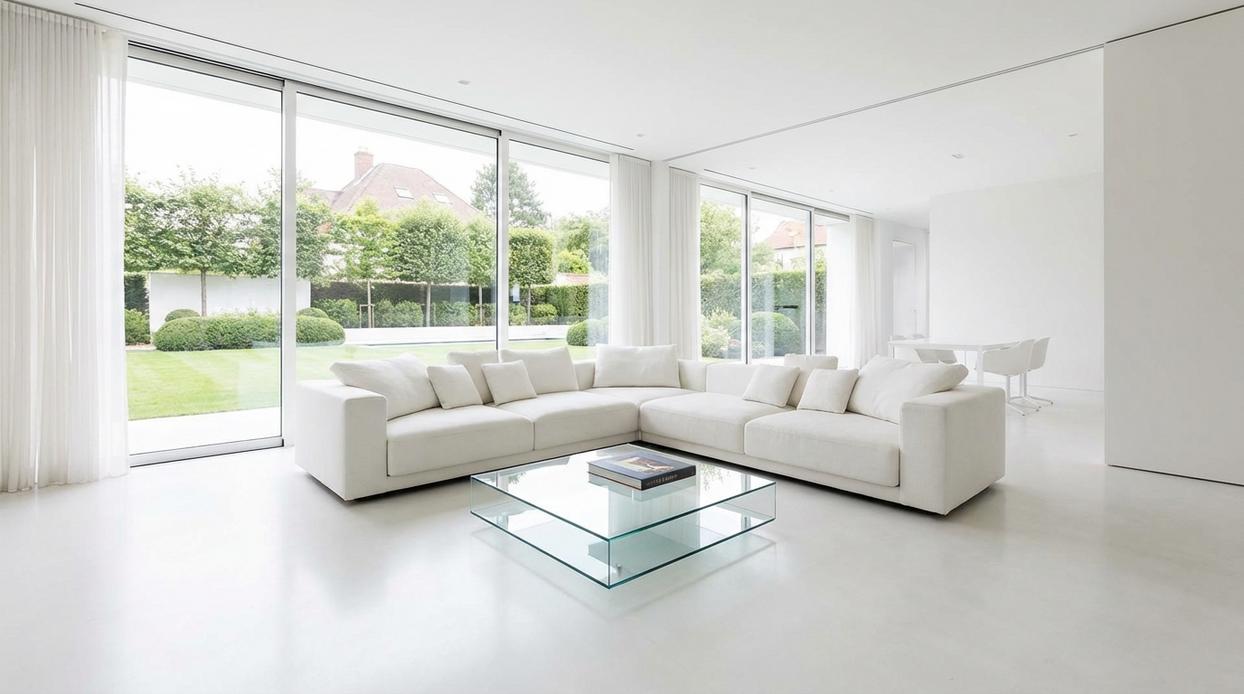
I used to think I had to choose between a home that looked good and one that stayed clean.
Then I spent three hours dusting around 47 decorative items in my living room (yes, I counted). That’s when I realized something had to change.
The truth is, you can have both. But it starts with being smarter about what you bring into your space.
Choosing Materials That Actually Work
I learned this the hard way with a gorgeous cream fabric sofa that turned into a stain magnet within weeks.
Now I look for performance fabrics first. They repel spills and wipe clean in seconds. Same goes for leather, which ages well and needs nothing more than a quick wipe down.
Your countertops matter too. Non-porous surfaces like quartz don’t trap bacteria or require special cleaners. You just spray and go.
Some people say natural materials are always better. They’ll tell you that engineered surfaces lack character or warmth.
But here’s what they’re missing. A beautiful space you can’t maintain isn’t beautiful for long. I’d rather have surfaces that look great on day 365 than ones that stress me out by day 30.
The Power of Less
I used to fill every shelf and surface. More stuff meant more style, right?
Wrong.
When I cut my decorative pieces down to just a few high-impact items, something interesting happened. The room felt bigger. Cleaner. And dusting went from an hour-long ordeal to a five-minute task.
Pick pieces you actually love. Display them where they make a statement. Skip the rest.
Storage That Doesn’t Look Like Storage
My coffee table ottoman hides blankets, remotes, and magazines. Nobody knows unless I tell them.
That’s the goal. Decorative boxes on shelves. Media units with doors that hide cables and devices. Storage that blends into your design instead of fighting against it.
Clutter disappears when everything has a home. And when that home looks good, you’ll actually use it.
Colors That Create Calm
A cohesive color palette does something most people don’t expect. It makes a space feel cleaner even when it’s not spotless.
I stick to three main colors per room. When everything coordinates, your eye flows smoothly instead of jumping around looking for the next bright object.
Calming tones work best. They make rooms feel larger and more organized without you lifting a finger.
For more practical ways to set up your space, check out this house guide livpristhome resource.
The bottom line? Style and cleanliness aren’t enemies. They just need the right foundation.
Smart Home Systems for Effortless Maintenance
You don’t need to spend your weekends cleaning.
I’m serious. The right tech can handle most of it while you’re at work or sleeping.
Here’s what actually works.
Automated Cleaning
Robotic vacuums and mops aren’t perfect. But they’re good enough to keep your floors clean between deep cleans.
I set mine to run every Tuesday and Thursday at 10 AM. The house is empty and I come home to clean floors. No thought required.
The trick is choosing the right schedule. Don’t run them when you’re home (the noise gets old fast). Pick times that match your routine.
Smart Air Quality
Air purifiers with built-in sensors do something most people miss. They clean the air BEFORE you notice it’s dusty.
Mine kicks on automatically when it detects particles. Less dust means less cleaning overall. It’s that simple.
If you have allergies, this isn’t optional. It’s the difference between wiping down surfaces twice a week versus once.
Lighting Automation
Smart lights can make a clean room look even better.
Program them to brighten up your cleanest spaces in the evening. It draws attention to what you want people to see and away from what you don’t.
I use warm lighting in my living room after 7 PM. Makes the whole space feel more put together.
Voice-Activated Checklists
This is my favorite hack from the livpristhome house guide.
Tell Alexa or Google Home to remind you about specific tasks. “Remind me to wipe down counters every Monday at 8 PM.”
It sounds basic but it works. You stop forgetting the small stuff that keeps a house looking good.
Your Path to a Perpetually Pristine Home
I get it.
You’re tired of feeling like cleaning never ends. You tidy up one room and another falls apart. It’s exhausting.
This guide gives you a complete system to change that. You’ll find daily habits that actually stick, smart tech that does the work for you, and space hacks that make maintenance simple.
I’ve tested these methods in real homes. They work because they’re built around how you actually live.
The secret isn’t cleaning more. It’s creating an environment that stays clean naturally.
You came here overwhelmed by constant upkeep. Now you have a routine that’s actually sustainable.
Here’s how it works: Functional hacks reduce the mess before it happens. Smart décor choices hide wear and tear. Technology handles the repetitive stuff. Together, they create a home that maintains itself.
You don’t need to overhaul everything at once.
Start small. Pick one functional space hack from the livpristhome house guide from livingpristine and implement it this week. Maybe it’s a drop zone by the door or a better storage system in your kitchen.
That one change will show you what’s possible.
Then build from there. Add another hack next week. Try a piece of smart tech the week after.
Before you know it, you’ll have a home that feels effortless to maintain. No more weekends lost to deep cleaning. No more stress about unexpected guests.
Your pristine home is waiting. Start today.