If your home feels cramped no matter how much you declutter, the real opportunity may be hiding in plain sight—right above you. This guide explores how to unlock your home’s most overlooked asset: vertical space. When floor space runs out, walls, ceilings, and above-eye-level areas become powerful design tools. You’ll discover practical, design-forward strategies to maximize vertical space, increase storage, and create a more open, breathable layout without moving a single wall. By rethinking how you use height, you can transform tight rooms into efficient, stylish spaces that work smarter for the way you live.
Shifting Your Perspective: From Square Feet to Cubic Feet
The Foundational Mindset
Most people obsess over square footage. I think that’s a mistake. Square feet measure floor area (length × width), but cubic feet measure volume (length × width × height). And volume is where the magic happens. When you start looking up—literally—you begin to maximize vertical space instead of fighting for elbow room.
The Psychological Impact
Here’s my take: tall bookshelves, ceiling-mounted curtains, and vertical paneling don’t just store more—they feel expansive. Designers have long noted that vertical lines draw the eye upward, creating the illusion of height (a principle rooted in Gestalt psychology). It’s the same trick cathedrals use to inspire awe. Even in small apartments, full-height shelving can make ceilings seem higher (yes, perception matters that much).
Core Benefits of Going Vertical
- More storage without expanding your footprint
- Less floor clutter (your vacuum will thank you)
- Stronger visual interest through layered heights
Pro tip: Anchor tall pieces to avoid visual wobble and literal tipping.
High-Impact Vertical Storage Systems
When floor space is limited, the smartest move is to look up. Vertical storage systems use wall height—not square footage—to increase capacity. In simple terms, you’re stacking function upward instead of outward (yes, your walls have been underperforming).
Floor-to-Ceiling Shelving: The Ultimate Space Anchor
Floor-to-ceiling shelving acts as a visual “anchor,” meaning it draws the eye upward and makes ceilings appear taller. Built-in shelving is custom-fitted and seamlessly integrated into the wall—ideal for living rooms or home offices where you want a polished look. Modular shelving, on the other hand, consists of pre-made units that can be rearranged or expanded over time, offering flexibility for evolving needs.
Some argue built-ins are too permanent or costly. That’s fair. However, modular systems can still deliver height and storage impact without construction. Pro tip: Paint shelves the same color as the wall to help them visually recede, creating depth instead of bulk.
Wall-Mounted and Floating Furniture
Wall-mounted pieces—like floating nightstands or media consoles—attach directly to studs, leaving the floor visible beneath. This creates uninterrupted sightlines across the floor, which makes rooms feel larger and easier to clean (no awkward vacuum gymnastics). While skeptics worry about weight limits, proper anchoring ensures stability.
Ladder Shelving
Finally, ladder shelving leans against the wall with a narrow footprint. It’s ideal for bathrooms, small nooks, or tight corners. Use it for towels, trailing plants, or curated décor. If your goal is to maximize vertical space, this is a stylish, low-commitment solution.
Beyond the Bookshelf: Clever Hacks for Unused Wall Space

Blank walls aren’t empty—they’re untapped real estate. If you want to maximize vertical space, stop thinking in terms of framed art alone and start thinking function.
1. The Power of Pegboards and Slat Walls
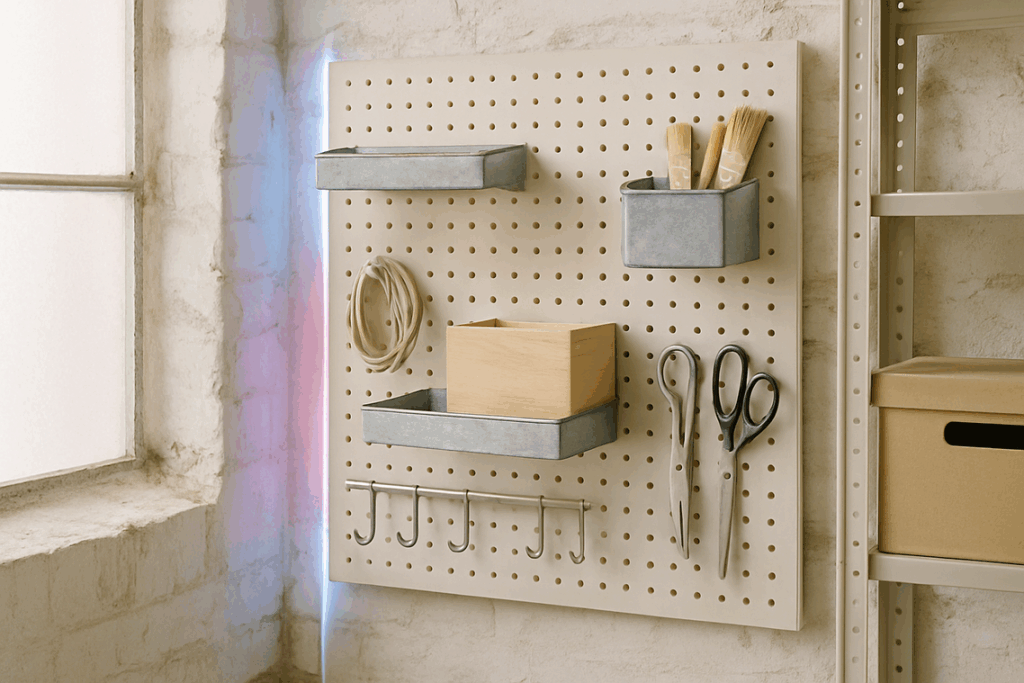
Pegboards aren’t just for garages (though they’ve earned their street cred there). These wall systems—panels with evenly spaced holes or grooves that hold hooks and shelves—are modular storage at its best. Install one in the kitchen to hang pots, utensils, and even small baskets for spices. In craft rooms, they keep tools visible and adjustable. In entryways, add hooks for bags and dog leashes.
Some argue pegboards look too industrial. Fair—but paint them the same color as your wall for a seamless look. Pro tip: outline tool shapes lightly behind hooks so everything returns to its place.
2. High-Perimeter Ledges
A high-perimeter ledge is a narrow shelf that runs near the ceiling around a room. It displays books, art, or collectibles without stealing usable wall space. Think of it as a gallery track for grown-ups. Critics say it gathers dust—and yes, it can. Choose larger statement pieces to minimize clutter and cleaning.
3. Suspended and Hanging Solutions
Look up. Ceiling-mounted pot racks over islands free cabinet space. Suspended clothing racks suit minimalist bedrooms. Cascading plant hangers transform sunny corners into indoor jungles (very botanical-core).
If space is tight, pair these ideas with multi functional furniture ideas for compact living for even smarter layouts.
Your walls aren’t the limit. They’re the opportunity.
Integrating Vertical Design with Your Decor
Achieving Balance Without the Clutter
Adding height to a room sounds simple—just stack up, right? Not quite. The key is balance. When you install tall shelving or cabinets, group objects in visual clusters (intentional arrangements that read as one unit) instead of scattering décor across every shelf. Leave negative space—the empty areas around objects that let a room breathe. Without it, vertical storage can feel top-heavy. If a bookcase reaches the ceiling, keep heavier items lower and lighter décor higher to ground the space.
The Role of Vertical Lines
Vertical lines naturally pull the eye upward. Tall, slim mirrors reflect light while creating the illusion of height. Floor-to-ceiling curtains (hung above the window frame) elongate walls. Even vertically striped wallpaper can subtly maximize vertical space without adding bulk. Some argue stripes feel busy, but in soft, neutral tones, they act more like texture than pattern.
Lighting as a Vertical Tool
Swap table lamps for wall sconces and pendants to free surfaces and guide the eye upward. This not only reduces clutter but improves flow. If you worry wall lighting feels harsh, choose warm bulbs and diffused shades for a softer effect. Pro tip: install dimmers to adjust mood and functionality instantly.
Step Into a Smarter Space
You came here looking for smarter ways to rethink your layout—and now you have a complete toolkit to maximize vertical space and unlock your home’s hidden potential. Limited square footage no longer has to mean cluttered countertops, cramped corners, or sacrificed style. By thinking upward instead of outward, you can create a space that feels open, functional, and beautifully intentional.
Don’t let blank walls go to waste. Choose one room today and identify a single empty wall you can transform. Start small, take action now, and experience the shift immediately. Join thousands of homeowners using these proven strategies to create efficient, elevated living spaces—your smarter, more spacious home begins with that first wall.