
Creating a home that feels calm, functional, and future-ready isn’t just about following trends — it’s about designing with intention. If you’re searching for practical ways to improve comfort, style, and efficiency in your living space, this guide delivers exactly that. We break down smart home integrations, space-saving solutions, décor strategies, and layout principles that help you build a wellness focused layout without sacrificing aesthetics.
From optimizing natural light and flow to incorporating technology that simplifies daily routines, this article explores actionable concepts you can apply right away. Every recommendation is grounded in current design research, smart-living advancements, and proven spatial planning techniques to ensure both beauty and performance.
Whether you’re redesigning a single room or rethinking your entire home, you’ll find clear, practical insights to help you create a space that supports comfort, productivity, and long-term well-being.
It’s easy to overlook how your home shapes your health. A beautiful room can still disrupt sleep, spike stress, or discourage movement. The goal is a wellness focused layout that supports your body and mind every day.
Start with the fundamentals:
- Maximize natural light to regulate circadian rhythms and improve mood.
- Create tech-free sleep zones to protect melatonin production.
- Design clear pathways that invite gentle movement.
- Add calming textures and plants to lower cortisol.
Small shifts create powerful results. Rearranging furniture, reducing clutter, and defining purpose-driven zones can transform how you feel at home. Start today.
Harnessing Natural Light: The Foundation of a Wellness Layout
The Circadian Connection
Natural light regulates your circadian rhythm—the internal 24-hour clock that controls sleep, hormone release, and energy levels. According to the National Sleep Foundation, consistent morning light exposure improves alertness and nighttime sleep quality. When a floor plan ignores the sun’s path, it works against your biology (like drinking espresso at midnight and expecting great sleep). A wellness focused layout positions high-use morning zones where sunlight naturally lands first.
Layout Hack: The “Solar Path” Audit
- Track sunlight in 2-hour blocks from sunrise to sunset.
- Note brightest zones in the morning—ideal for kitchens or home offices.
- Reserve softly lit afternoon areas for bedrooms or reading nooks.
- Adjust furniture placement accordingly.
Pro tip: Use a compass app to confirm window orientation before rearranging.
Practical Tips for Maximizing Light
- Keep sofas and shelving below window height to prevent light blockage.
- Install sheer window treatments (linen panels filter glare without sacrificing brightness).
- Place mirrors opposite windows to amplify daylight reach.
Prist Décor Principle
Light-colored walls with satin or eggshell finishes reflect more illumination than matte dark tones, making rooms feel larger and more energizing. Reflective surfaces—glass tables, metallic accents—act like subtle light multipliers, boosting mood and visual clarity.
Designing for Airflow and Purity
Opening a window helps—but it’s the bare minimum. Stagnant air (air that lingers without circulation) can increase indoor pollutants and carbon dioxide levels, which studies link to reduced cognitive performance and decision-making ability (Harvard T.H. Chan School of Public Health, 2015). In my opinion, if your room feels heavy, your brain probably does too.
A healthy home encourages subtle, continuous movement—what I call a wellness focused layout.
Creating Cross-Ventilation Paths
- Position furniture to avoid blocking windows or vents.
- Keep interior doors slightly ajar to create natural airflow channels.
- Align openings across from each other to form a gentle “wind tunnel.”
It’s surprisingly satisfying (like giving your home a deep exhale).
Some argue HVAC systems make layout irrelevant. I disagree. Mechanical systems help, but physical flow reduces trapped pollutants and balances temperature naturally.
The Role of Plants in Air Quality
Snake plants, pothos, and peace lilies are low-maintenance options often cited for filtering common toxins (NASA Clean Air Study, 1989). Group plants in threes at varying heights for impact—without clutter.
Material Choices Matter
Low-VOC paints, natural fiber rugs, and solid wood furniture emit fewer volatile organic compounds (VOCs) than synthetic alternatives (EPA). Pro tip: let new furniture off-gas in a ventilated area first.
Balancing airflow and comfort mirrors the philosophy behind minimalist vs cozy finding your personal living style balance.
The Ergonomics of Flow: Encouraging Natural Movement
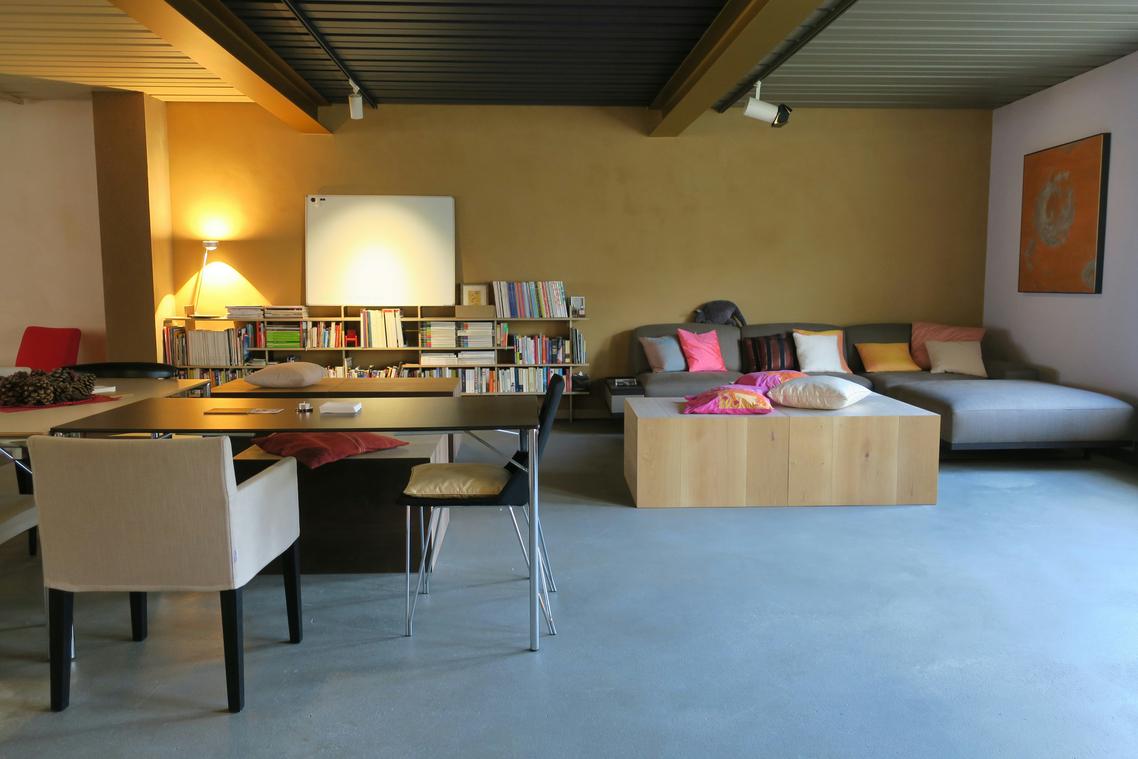
A poorly planned room does more than look messy—it quietly trains you to sit still. When furniture blocks pathways or essentials are scattered, movement feels like work (and your couch becomes a gravity well). Ergonomics—the science of designing spaces around human movement—aims to remove that friction.
Some argue open-concept layouts solve this automatically. Not quite. Without intention, open spaces become clutter magnets. Clear, intuitive pathways matter more than square footage.
Functional Space Hack: Zoning for Activity
Zoning means assigning clear purposes to areas within one room. Instead of blending everything together, create micro-environments:
- A defined work corner with task lighting
- A relaxation nook with soft seating
- A small open patch for stretching or yoga
- A social zone arranged for conversation
This reduces visual noise and supports a wellness focused layout.
The “Three-Step” Rule
Keep frequently used items within three steps. In kitchens, store utensils near prep zones. In offices, position printers or files within arm’s reach. In living rooms, keep throws or books nearby. Less reaching means less strain (your shoulders will thank you).
Case Study: One cluttered living room was rearranged by clearing a central pathway, anchoring seating to one side, and freeing a 6×6-foot mat area. The result? A space that invites both movie nights and morning mobility.
Looking ahead, expect homes to prioritize adaptive, movement-friendly layouts as wellness-centered design continues rising.
Smart Home Integration for Proactive Well-being
I used to think smart home tech was about clapping to turn off lights (very Jetsons, very unnecessary). Then one winter, I realized I was waking up groggy, working under harsh overhead lights, and falling asleep to blue-lit screens. That’s when I began treating technology as a wellness tool—not a convenience toy.
Automated Circadian Lighting
Circadian lighting (a system that mimics the sun’s natural light cycle) shifts from bright, cool tones in the morning to warm, dim hues at night. Research shows blue-enriched morning light supports alertness, while warmer evening light encourages melatonin production and better sleep (Harvard Health). With smart bulbs and preset routines, your home gently nudges your body clock back on track.
Some argue this is overengineering something as simple as flipping a switch. Fair. But when the system runs automatically, healthy habits become effortless (and effort is often the real barrier).
Smart Air Quality Monitors
Indoor air can contain pollutants, CO2 (carbon dioxide buildup that causes drowsiness), and imbalanced humidity (EPA). Smart monitors track these metrics and trigger purifiers or ventilation instantly.
Pro tip: Place sensors at breathing height in bedrooms for more accurate readings.
Seamless Integration
A wellness focused layout anticipates discreet sensor placement, hidden hubs, and subtle speakers so the space feels calm—not cluttered.
- Concealed wiring
- Neutral-toned devices
- Centralized control apps
When design and tech align, your home quietly supports your well-being—no applause required.
Your action plan starts now. Have you ever noticed how certain rooms lift your mood while others leave you drained? That’s not random—it’s design.
A wellness focused layout prioritizes light, airflow, and natural movement patterns so your home works with your body, not against it.
It’s about aligning space with circadian rhythms—the internal clock that regulates sleep and energy (National Institutes of Health).
- Increase morning sunlight in your kitchen.
- Clear pathways to encourage effortless movement.
Which area will you improve today?
Start small, stay consistent, and watch your energy shift. Small changes compound into lasting transformation. Over time.
Create a Home That Works for You
You set out to design a space that feels calm, functional, and beautifully aligned with your lifestyle—and now you have the clarity to make it happen. From smart integrations to practical space hacks and a wellness focused layout, you’ve seen how intentional design can transform not just your home, but your everyday experience.
The real challenge isn’t finding inspiration—it’s turning ideas into a cohesive, livable plan that solves clutter, inefficiency, and design overwhelm. When your space works against you, it drains your energy. When it works for you, everything feels lighter, simpler, and more in control.
Now it’s time to take action. Start by choosing one room to optimize, implement one smart system that simplifies your routine, or refresh one area with purpose-driven décor. If you’re ready for a clear, step-by-step path, explore our in-depth guides and proven living concepts trusted by thousands of modern homeowners.
Don’t settle for a space that almost works. Upgrade your home with intentional design strategies today and experience the difference tomorrow.