
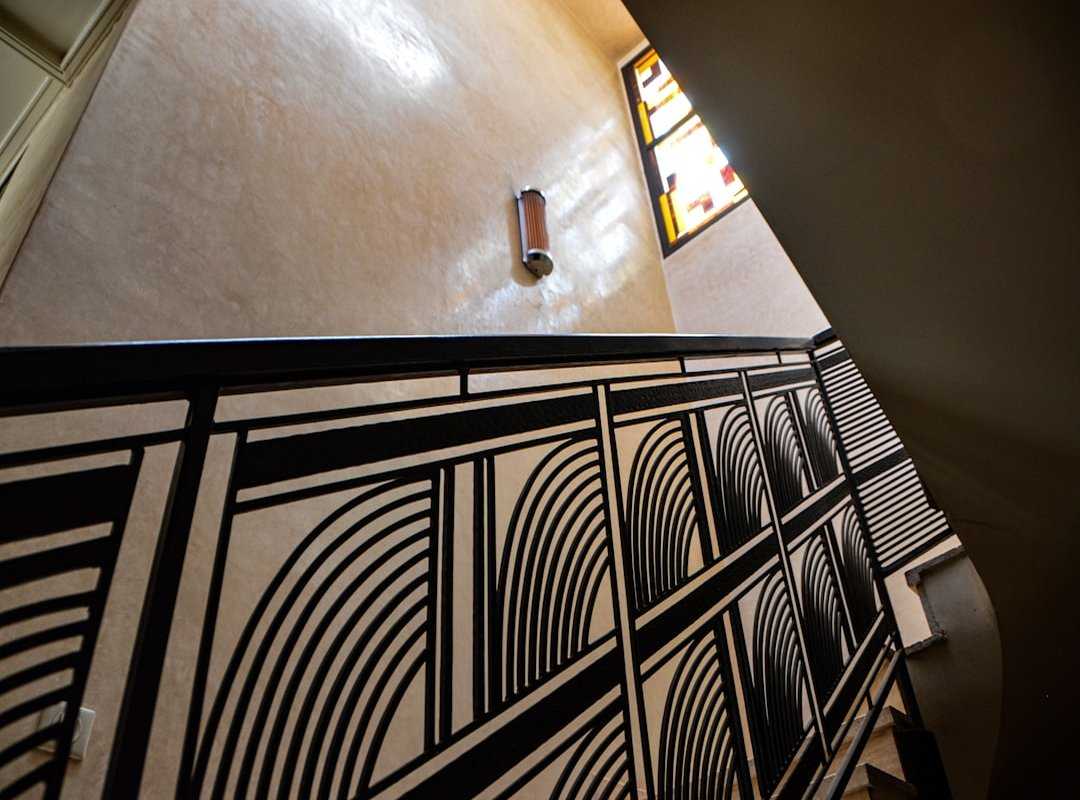
Have you noticed the surge of bold geometric patterns and lavish materials in design magazines lately? It’s the unmistakable art deco revival. Many love Art Deco’s sophistication but worry it might make their homes feel like a vintage movie set, not a modern oasis.
But here’s the thing: Art Deco is more than nostalgia. It’s a style that redefines elegance for the 21st century.
Why is it back with such force? We’ve delved into historical design cycles and current trends. Our analysis has shown why this style is captivating modern interiors again.
It’s not about recreating the past but reshaping it with fresh perspectives.
In this article, we’ll unpack this modern Art Deco comeback. You’ll learn how to capture its timeless charm without losing that contemporary edge. Ready to give your space that bold, fresh twist?
Art Deco: A Timeless Symbol of Style and Innovation
Art Deco emerged in the 1920s and 1930s, a period dripping with technological progress and optimism. Imagine the Roaring Twenties: jazz, flapper fashion, and skyscrapers piercing the sky. It embodied a break from the past.
Moving away from the ornate, cluttered styles that dominated before.
Classic Art Deco’s visual characteristics are quite distinct. You notice its symmetrical and geometric forms, like chevrons and sunbursts. And let’s not forget the rich colors and luxurious materials.
Think lacquered wood, polished chrome, and marble (everything needed to scream opulence).
Why did people fall head over heels for it back then? It was more than just aesthetics. Art Deco was modernity itself, capturing the essence of a world charging forward, embracing speed, luxury, and sophistication like never before.
Now, here’s the twist: this style is making a comeback. The mixing of vintage and modern decor is setting the stage for an “art deco revival.” Why? Those same cravings for progress and indulgence are bubbling up again.
Do you see the allure? The cycle of styles repeating, yet each time with its own twist. History doesn’t just repeat; it revives, reimagines, and reinvents itself.
Fascinating, isn’t it?
Not Your Grandmother’s Glamour: 2024’s Art Deco Comeback
You might be wondering why Art Deco is popping up everywhere these days. It’s not just about aesthetics. It’s about shaking off minimalism’s dust and embracing a more lively world.
After years of stark whites and austere grays (ugh, so boring), we’re going the opposite way. What I like to call “maximalism-lite.” Just a bit of flair, not a full overload.
Social media’s got its hands in this too. You know how Instagram loves a good eye-catching shot. Art Deco’s all about high-contrast and dramatic angles.
Perfect for those scrolling daily dopamine hits. You see a post, you want it in your home. It’s a cycle.
And Pinterest? It’s basically a shrine to this art deco revival.
But let’s not kid ourselves. There’s more going on. In a world that feels like it’s spiraling, people crave stability (the) kind that only fine craftsmanship seems to whisper.
The original Art Deco era was optimistic. It was bold. It was a time when things felt possible (unlike our current doom-scroll culture).
That’s got a solid pull on the imagination.
However, don’t mistake this for pure nostalgia. We’re not trying to live in a Gatsby novel here. This revival is all about reinterpreting. Taking those classic elements and twisting them to fit now.
It’s not a copy-paste job. It’s custom, it’s new, and it’s ours. The new generation wants something fresh, something that screams individuality.
And that’s why the movement is thriving now.
So, if you’re ready to ditch the bland and step into something more daring, Art Deco’s the way to go. Who wants plain when you can have personality?
The New Deco: Modern Interpretation
Art deco revival is a thrilling venture into a world where past meets present. We’ve all seen how updated color palettes have shaken things up, right? Classic black-and-gold is being joined by deep jewel tones like emerald green (I mean, who isn’t obsessed?) and sapphire blue.

Not into bold? Muted pastels like dusty rose and soft sage add a sophisticated touch, with rich neutrals setting a classy stage. It’s about creating a vibe that’s fresh yet familiar.
Now, let’s talk materials. The old shine of chrome has given way to the elegance of brushed brass and matte black metals. These finishes bring a warmth that high-shine just can’t offer.
Leather was once the go-to, but now it’s all about softer textures. Think channel-tufted velvets and bouclé fabrics. They invite you to sink in and stay awhile.
Believe me, these materials make your space feel like a refuge.
Form is taking center stage. Modern designs focus on curved silhouettes. Picture scalloped-back armchairs (they’re a thing), arched cabinets, and drum-shaped coffee tables.
These pieces aren’t just furniture. They’re statements. Each curve adds a sense of fluidity and motion, making rooms feel alive.
If you’re not using curved forms, you’re missing out on the essence of art deco revival.
Then there’s pattern usage. It’s strategic now. You don’t want a space that looks like it was attacked by geometric shapes.
Instead, use patterns as accents. A geometric rug here, a feature wallpaper wall there. It’s all about balance.
Patterned throw pillows or etched glassware bring the perfect flares without overwhelming the senses. It’s about subtlety, not excess.
For those diving deeper into art deco, checking out maximalist decor how to style offers takeaways into layering textures and patterns effectively. Being bold doesn’t mean being brash. The key is to create harmony in chaos.
Every piece in your home tells a story. Let each element of modern deco contribute uniquely to that narrative.
In the end, art deco revival isn’t about copying the past. It’s about reimagining it for today. Don’t just recreate.
Innovate. Let your space be a how timeless style evolves.
Deco Meets High-Tech: A Modern Twist on Classic Style
Art deco revival isn’t just a style choice; it’s a way to blend elegance with today’s technology. Imagine a sunburst chandelier, its sleek lines housing smart bulbs that adjust with a tap. It’s not just lighting.
It’s a conversation starter.
Why stop there? Deco-style furniture can cloak modern gadgets. Think of a glossy, lacquered credenza.
It hides your sound system, keeping your space chic and clutter-free. Perfect for those who want a clean look (while still jamming out to their playlists).
And smart homes? They’re the perfect companion to art deco. Picture smart shades, subtly patterned with geometric shapes, adding elegance to functionality.
Or consider a digital art frame like Samsung’s ‘The Frame.’ It displays Deco-era artwork, making your walls a canvas of timeless style.
But let’s not forget the details. Metallic accents and clean lines aren’t just eye candy. They’re bold statements that boost every room.
They work together with tech, not against it. This fusion of past and present creates a harmony that’s hard to beat. Does your home reflect that harmony?
It should. Because this blend of smart and style isn’t just cool (it’s) the future.
Your Art Deco Journey Begins Here
You’ve got it now. You’re ready to dive into the art deco revival. The challenge always was making this historic style work without it looking like a costume.
The answer? Mix iconic Deco motifs with modern colors, softer materials, and smart tech. It’s easier than you think.
Start small. Maybe a new lighting fixture or a sleek accent piece. Want more?
Dive into curated style guides for endless inspiration. Don’t wait. Transform your space.
Visit livpristhome.com. They’ve got everything you need to make your Deco dreams a reality. Your space deserves this.
So, what are you waiting for?
 Smart Home Systems & Integration Specialist
Herbert Hamiltonatier is the kind of writer who genuinely cannot publish something without checking it twice. Maybe three times. They came to smart home system integrations through years of hands-on work rather than theory, which means the things they writes about — Smart Home System Integrations, In-Depth Guides, Highlight Hub, among other areas — are things they has actually tested, questioned, and revised opinions on more than once.
That shows in the work. Herbert's pieces tend to go a level deeper than most. Not in a way that becomes unreadable, but in a way that makes you realize you'd been missing something important. They has a habit of finding the detail that everybody else glosses over and making it the center of the story — which sounds simple, but takes a rare combination of curiosity and patience to pull off consistently. The writing never feels rushed. It feels like someone who sat with the subject long enough to actually understand it.
Outside of specific topics, what Herbert cares about most is whether the reader walks away with something useful. Not impressed. Not entertained. Useful. That's a harder bar to clear than it sounds, and they clears it more often than not — which is why readers tend to remember Herbert's articles long after they've forgotten the headline.
Smart Home Systems & Integration Specialist
Herbert Hamiltonatier is the kind of writer who genuinely cannot publish something without checking it twice. Maybe three times. They came to smart home system integrations through years of hands-on work rather than theory, which means the things they writes about — Smart Home System Integrations, In-Depth Guides, Highlight Hub, among other areas — are things they has actually tested, questioned, and revised opinions on more than once.
That shows in the work. Herbert's pieces tend to go a level deeper than most. Not in a way that becomes unreadable, but in a way that makes you realize you'd been missing something important. They has a habit of finding the detail that everybody else glosses over and making it the center of the story — which sounds simple, but takes a rare combination of curiosity and patience to pull off consistently. The writing never feels rushed. It feels like someone who sat with the subject long enough to actually understand it.
Outside of specific topics, what Herbert cares about most is whether the reader walks away with something useful. Not impressed. Not entertained. Useful. That's a harder bar to clear than it sounds, and they clears it more often than not — which is why readers tend to remember Herbert's articles long after they've forgotten the headline.