Looking to elevate your space with lighting that feels intentional, stylish, and functional? If you’re searching for practical yet inspiring ways to transform your home, this guide delivers exactly that. We break down the most effective accent lighting ideas that enhance atmosphere, highlight architectural features, and bring warmth and depth to any room.
Many homeowners struggle with flat, uninspired lighting that doesn’t reflect their personal style or maximize their space. This article solves that by offering clear, actionable strategies you can apply immediately—whether you’re upgrading a single room or rethinking your entire lighting plan.
Our recommendations are grounded in proven interior design principles, current décor trends, and real-world smart home integrations. We’ve analyzed expert guidance, emerging style movements, and functional design strategies to ensure every suggestion is both beautiful and practical.
By the end, you’ll know exactly how to use accent lighting to create a home that feels layered, intentional, and effortlessly inviting.
Elevate Your Home: The Art and Science of Accent Lighting
A well-lit room can still feel flat. That’s because brightness isn’t the same as depth. Accent lighting—targeted illumination that highlights specific features—adds contrast, drama, and intention. Many guides stop at table lamps and wall sconces. We go further by blending design psychology with smart placement strategy (yes, lighting has psychology). Consider:
- Layered beams to sculpt architectural details
- Narrow spotlights to frame artwork like a gallery
- Integrated smart controls that shift mood instantly
These accent lighting ideas work because they create focal hierarchy—your eye knows where to land.
Beyond Brightness: The Three Layers of Interior Lighting
Lighting can feel technical, but it’s really about layering. Designers use three types:
- Ambient lighting — the overall, general light that fills a room.
- Task lighting — focused light for activities like reading or cooking.
- Accent lighting — directional light that highlights a feature.
Ambient means the base level of brightness. Task lighting reduces eye strain by aiming light where work happens. Accent lighting’s specific job is to create a focal point. It’s the “spotlight” that tells people where to look, whether it’s a piece of art, a textured wall, or a unique architectural feature.
The Designer’s Rule: an accent light should be approximately three times brighter than the surrounding ambient light. This contrast creates depth and subtle drama.
Think of it like film music: background score, dialogue, then a sharp cue guiding attention. Each layer shapes perception intentionally.
Five Core Techniques to Master Accent Lighting
Back in 2020, when many homeowners began rethinking their interiors, one detail kept popping up in design consultations: lighting wasn’t layered enough. More specifically, accent lighting was either overdone or completely ignored. After several months of testing different setups in real living spaces, five core techniques consistently delivered the best results.
First, Spotlighting. This technique uses a focused beam of light from a track head or recessed fixture to highlight a specific object like a painting or sculpture. Think of it as giving your favorite artwork its own red-carpet moment (very museum chic). The goal is clear visual hierarchy—your eye should know exactly where to land.
Next, Wall Washing. Here, fixtures are placed farther from a smooth wall to cast an even, wide glow. As a result, the room feels larger and calmer. It’s subtle but powerful—like good background music in a film, you notice it most when it’s missing.
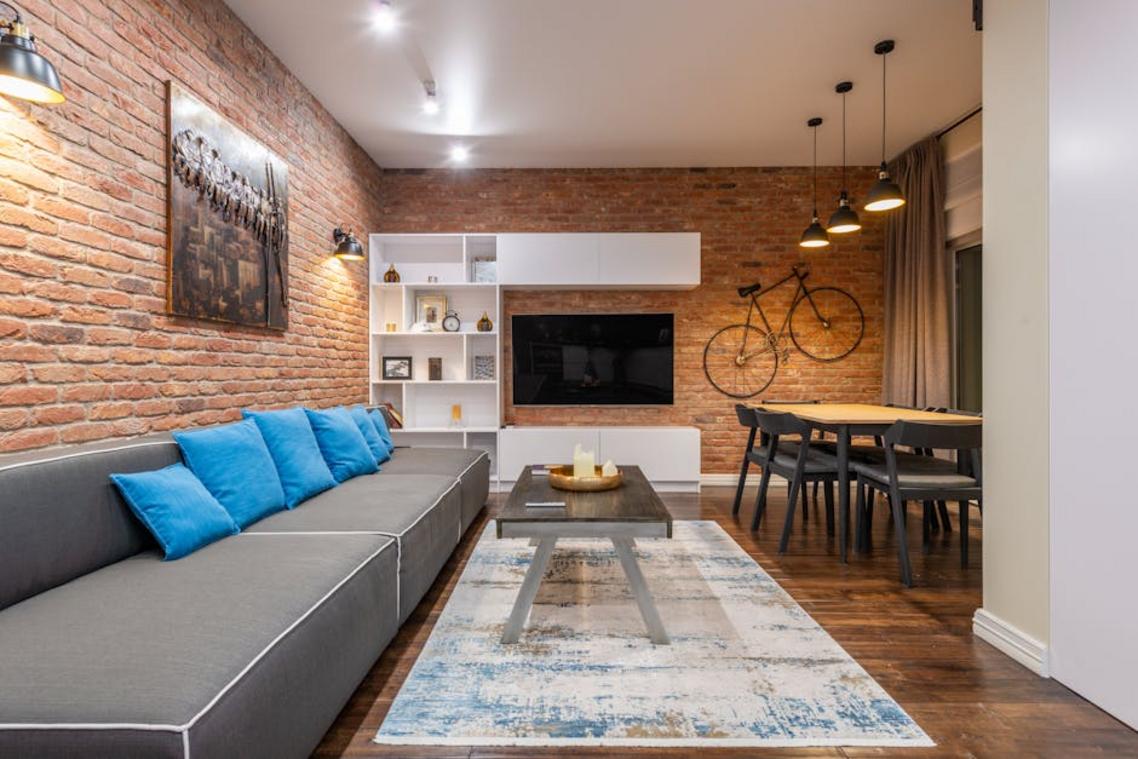
In contrast, Wall Grazing flips the approach. By positioning lights close to textured surfaces such as brick or wood paneling, shadows form and emphasize depth. Texture becomes the star. However, this can exaggerate imperfections, so precise placement matters.
Then there’s Uplighting, where fixtures sit near the floor and aim upward. This technique adds drama fast. Columns look taller, plants feel sculptural, and ceilings gain dimension. Used sparingly, it feels architectural rather than theatrical.
Finally, Backlighting (Silhouetting) creates a bold outline by placing light behind an object. The object becomes a striking dark shape against an illuminated wall—simple yet cinematic.
While some argue accent lighting ideas are purely decorative, they actually guide movement, define zones, and influence mood. The key isn’t adding more light—it’s placing it with intention. Timing, placement, and restraint make all the difference.
Room-by-Room Guide: Practical Accent Lighting Ideas
Accent lighting is targeted illumination used to highlight a specific object or area (think of it as a spotlight stealing the scene in a movie). Unlike ambient lighting, which fills a room evenly, accent lighting adds depth, drama, and intention.
Some argue it’s “extra” or unnecessary. Why not just flip on a ceiling light and call it a day? Because layered lighting changes how a space FEELS. It guides the eye, creates contrast, and makes even simple rooms look curated instead of flat.
Living Room
Install an adjustable recessed “eyeball” light (a directional ceiling fixture) to spotlight the fireplace. Frame large artwork with two picture lights placed evenly above the frame. Add a canister uplight behind a tall fiddle-leaf fig in a dark corner to eliminate shadows and create height (plants love a glow-up too).
Kitchen
Place LED tape lighting inside glass-front cabinets to showcase dishware. Use a small spotlight to highlight cookbooks on an open shelf. This adds dimension to a functional space. Pro tip: choose 2700K–3000K bulbs for a warm, inviting tone (U.S. Department of Energy recommends warm temperatures for residential comfort).
Bedroom
Mount narrow-beam sconces behind nightstands aimed at pillows for a boutique hotel effect. Add a soft spotlight over a reading chair to define a cozy nook.
Hallway
Wall-wash one side with recessed fixtures to visually widen the space. Install low-level step lights for both safety and subtle glow.
Smart Integration
Use smart bulbs or dimmers to shift intensity and color. Combine these accent lighting ideas with spatial techniques like [using color blocking to define and highlight key areas] to amplify impact.
The Designer’s Toolkit: Choosing the Right Fixtures and Bulbs
Great design isn’t just about the sofa—it’s about what shines on it. Some argue fixtures are purely aesthetic (just pick what looks good and move on). But the wrong choice can flatten a room faster than bad paint.
Fixtures shape how light behaves.
- Track lighting offers flexibility for evolving layouts.
- Recessed gimbal lights create a seamless, built-in look.
- Monorail systems feel sculptural and modern.
- Picture lights are tailored for artwork.
Others say any bulb will do. Not quite. A CRI of 90+ (Color Rendering Index, meaning how accurately colors appear) keeps art and décor vivid. Beam angle matters too: 10–15° for small objects, 35–60° for walls. For cozy spaces, stay between 2700K–3000K. Smart accent lighting ideas elevate everything.
Lighting is more than brightness; it’s strategy. With layered fixtures, dimmable LED bulbs (measured in lumens and color temperature), and targeted beams, you control mood and function. Thoughtful accent lighting ideas transform flat rooms into galleries.
• Install adjustable wall sconces to highlight texture.
• Use 2700K warm LEDs for relaxed evenings.
Critics say lighting upgrades are cosmetic. Yet precise placement improves visibility, saves energy, and elevates daily living. Start with one focal point today.
Bring Your Space to Life with Purpose and Light
You came here looking for practical, inspiring ways to transform your home using smarter design and lighting choices. Now you have a clear path forward — from layout improvements to layered lighting strategies and accent lighting ideas that add depth, warmth, and personality to every room.
If you’ve been frustrated by flat, uninspired spaces or rooms that feel cluttered and dim no matter what you try, the solution isn’t more décor — it’s intentional design. The right lighting placement, smart integrations, and functional space planning turn ordinary rooms into high-performing, beautiful environments that actually support your lifestyle.
Don’t let another room in your home feel incomplete or underwhelming. Explore more Liv-Inspired Living Concepts, apply these strategies room by room, and start implementing one upgrade today. Discover the tools, trends, and proven design insights trusted by thousands of modern homeowners — and transform your space into one that finally feels finished, functional, and fully you.