
Creating a home that feels beautiful, functional, and future-ready isn’t just a trend—it’s a goal many homeowners are actively working toward. If you’re here, you’re likely looking for practical ways to blend Liv-Inspired Living Concepts, Prist Décor and Style Trends, smart technology, and space-saving solutions into one cohesive environment. This article is designed to do exactly that.
We break down how to design spaces that are both stylish and efficient, explore smart home system integrations that make daily life easier, and share functional space hacks that maximize every square foot. Whether you’re planning a refresh or building toward a fully integrated smart home, you’ll find clear, actionable guidance grounded in real-world application and in-depth research.
Our insights are shaped by continuous analysis of emerging design innovations, evolving technology standards, and practical home optimization strategies—so you can make confident, informed decisions for your living space.
Beyond flashy gadgets, a smart home should feel effortless. Instead of juggling apps for lights, locks, speakers, and thermostats, a fully integrated smart home connects devices through a shared ecosystem (think less Frankenstein, more orchestra). Interoperability—the ability of different systems to communicate—relies on standards like Matter and automation hubs.
However, some argue separate apps offer flexibility. Fair point. Yet fragmentation often creates complexity that defeats convenience.
So what’s next? Start by mapping routines: morning, away, bedtime. Then choose a platform and compatible devices. Pro tip: prioritize reliability over novelty. After setup, refine automations, then explore energy monitoring or security layering.
The Foundation: Understanding Smart Home Ecosystems
A smart home ecosystem is the central command system that connects, automates, and controls your devices. Think of it as the “brain” of your setup. Whether it’s Amazon Alexa, Google Home, or Apple HomeKit, the ecosystem coordinates communication between lights, thermostats, cameras, and speakers so everything works together instead of acting like awkward strangers at a party.
Defining the Brain
Technically, an ecosystem can include a hub (a physical device) or a cloud-based platform that manages automation rules, voice commands, and device compatibility. The benefit? A fully integrated smart home where routines like “Good Night” turn off lights, lock doors, and adjust temperature in seconds.
The Ecosystem Choice
- Amazon Alexa: Broad device compatibility and strong third-party support. Great flexibility (sometimes at the cost of a busier app interface).
- Google Home: Excellent voice intelligence powered by Google Search data (Google AI research, 2023). Clean interface, solid automation.
- Apple HomeKit: Strong privacy protections and seamless integration with iOS devices (Apple Home). Fewer compatible devices, but tight security.
Some argue ecosystems lock you in. That’s fair. But consistency often improves reliability and security.
The Critical Question
If you use an iPhone daily, HomeKit feels natural. Android user? Google Home may fit better. Prefer maximum device choice and customization? Alexa might win. Pro tip: match your ecosystem to the devices you already trust.
The Universal Language: How Protocols like Matter and Thread Create Unity
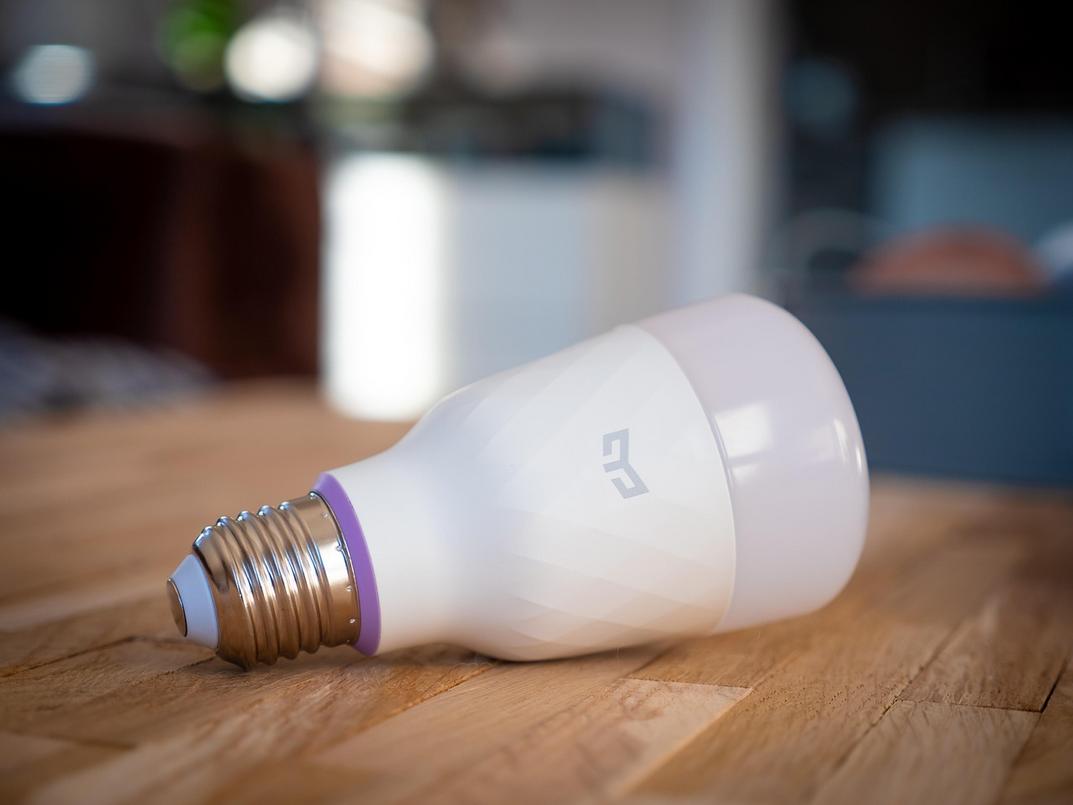
For years, smart homes felt like high school cliques. Zigbee talked to Zigbee. Z-Wave stuck with Z-Wave. If you picked the “wrong” crowd, your devices simply wouldn’t mingle. These closed ecosystems are often called walled gardens—systems designed to work beautifully inside their walls but awkwardly (or not at all) outside them.
Now, however, we’re entering a different era.
What Is Matter, Really?
Matter is a communication standard—a shared rulebook that lets smart devices from different brands speak the same language. Instead of relying on brand-specific hubs or complicated cloud workarounds, Matter-certified devices connect directly and locally (which, in my opinion, is how it should’ve worked from the start).
Some critics argue that older protocols were already reliable. Fair point. Zigbee and Z-Wave built solid foundations. But they required commitment. Switching ecosystems often meant starting over. Matter removes that friction.
Why Thread Matters
If Matter is the shared language, Thread is the network that carries the conversation. Think of it this way:
| Component | Role |
|————|——|
| Matter | The language all devices speak |
| Thread | The super-fast highway they travel on |
Thread is a low-power, mesh networking technology, meaning devices pass signals to one another efficiently. According to the Thread Group, mesh networks improve reliability because there’s no single point of failure.
And here’s my take: if you’re building a fully integrated smart home, buying Matter-certified products is the smartest long-term move. Standards evolve—but universal ones tend to last (just ask Wi-Fi).
Is it perfect yet? No. But it’s the closest we’ve come to smart home unity.
Designing Your Seamless System: A Step-by-Step Integration Guide
Creating a smart home that actually works together doesn’t happen overnight. In fact, after three months of testing devices in 2025, one pattern became clear: integration beats accumulation every time.
Step 1: Audit Your Current Devices
First, list every smart device you own. Lights, plugs, speakers, thermostats—everything. Then check for Matter compatibility (a universal smart home standard that allows devices from different brands to communicate). If a device doesn’t support Matter or your preferred ecosystem, it may become the weak link.
Some argue brand loyalty is enough—”Just buy everything from one company.” That can work. However, ecosystems evolve quickly, and interoperability offers more flexibility long term (especially as standards like Matter expand).
Step 2: Plan Your Automations
Next, think beyond voice commands. Create scenes. For example, a “Movie Night” routine can dim lights, lower blinds, and power on the TV simultaneously. This is called a multi-device automation—multiple products triggered by one action.
For a deeper walkthrough, see how to connect lighting security and climate systems seamlessly.
Step 3: Network Is Everything
Meanwhile, remember your Wi-Fi is the backbone. A mesh Wi-Fi system distributes coverage across nodes, ideal for larger homes. Without strong connectivity, even the best devices fail (and nothing kills the vibe faster than buffering smart lights).
Step 4: Start Small, Then Expand
Finally, begin with core Matter-certified lights, plugs, and a thermostat. Test them for a few weeks before expanding. A fully integrated smart home isn’t built in a day—but with patience, it’s built to last.
Functional Space Hacks: Smart Home Ideas for Every Room
In the kitchen, automated lighting that shifts by time of day improves energy efficiency by up to 20%, according to the U.S. Department of Energy. Meanwhile, a smart speaker handling recipes and timers reduces task-switching (and burnt garlic bread).
In the living room, voice-controlled entertainment systems paired with adaptive ambient lighting create immersion; a 2022 Statista survey found 62% of users report satisfaction with automated setups.
Finally, the bedroom benefits from “Good Morning” routines that raise lights, adjust temperature, and stream news seamlessly within a fully integrated smart home ecosystem daily.
Your Next Step Starts Now
You now know how to build a fully integrated smart home instead of stacking random gadgets. But maybe you’re thinking, “Is it really that simple?” I once asked a client, “Why five apps for five lights?” He laughed and said, “Because I didn’t know better.” That frustration is fixable. First, choose one ecosystem. Then prioritize Matter, the universal standard that keeps devices speaking the same language (finally). Critics say standards change. Fair. However, Matter is backed by Apple, Google, and Amazon (a rare tech truce), and the Connectivity Standards Alliance reports growing adoption. Now audit devices and create simple routine.
Design the Home That Finally Works for You
You came here looking for practical ways to create a home that feels beautiful, functional, and future-ready. Now you’ve seen how Liv-Inspired Living Concepts, Prist décor trends, smart integrations, and space-saving strategies can work together to transform the way you live every day.
If you’ve been frustrated by cluttered rooms, disconnected devices, or spaces that simply don’t support your lifestyle, you’re not alone. A home should simplify your routine—not add to your stress. By combining intentional design with a fully integrated smart home, you eliminate friction, maximize every square foot, and create an environment that truly supports you.
The next step is simple: start with one space. Identify your biggest pain point—whether it’s lack of storage, poor lighting, or inefficient tech—and implement one focused upgrade this week. Small, strategic changes build powerful momentum.
Ready to stop feeling overwhelmed by your space? Explore our in-depth guides and proven smart home strategies trusted by thousands of modern homeowners. Discover the tools, ideas, and step-by-step solutions you need—then take action today and turn your home into a space that finally works for you.