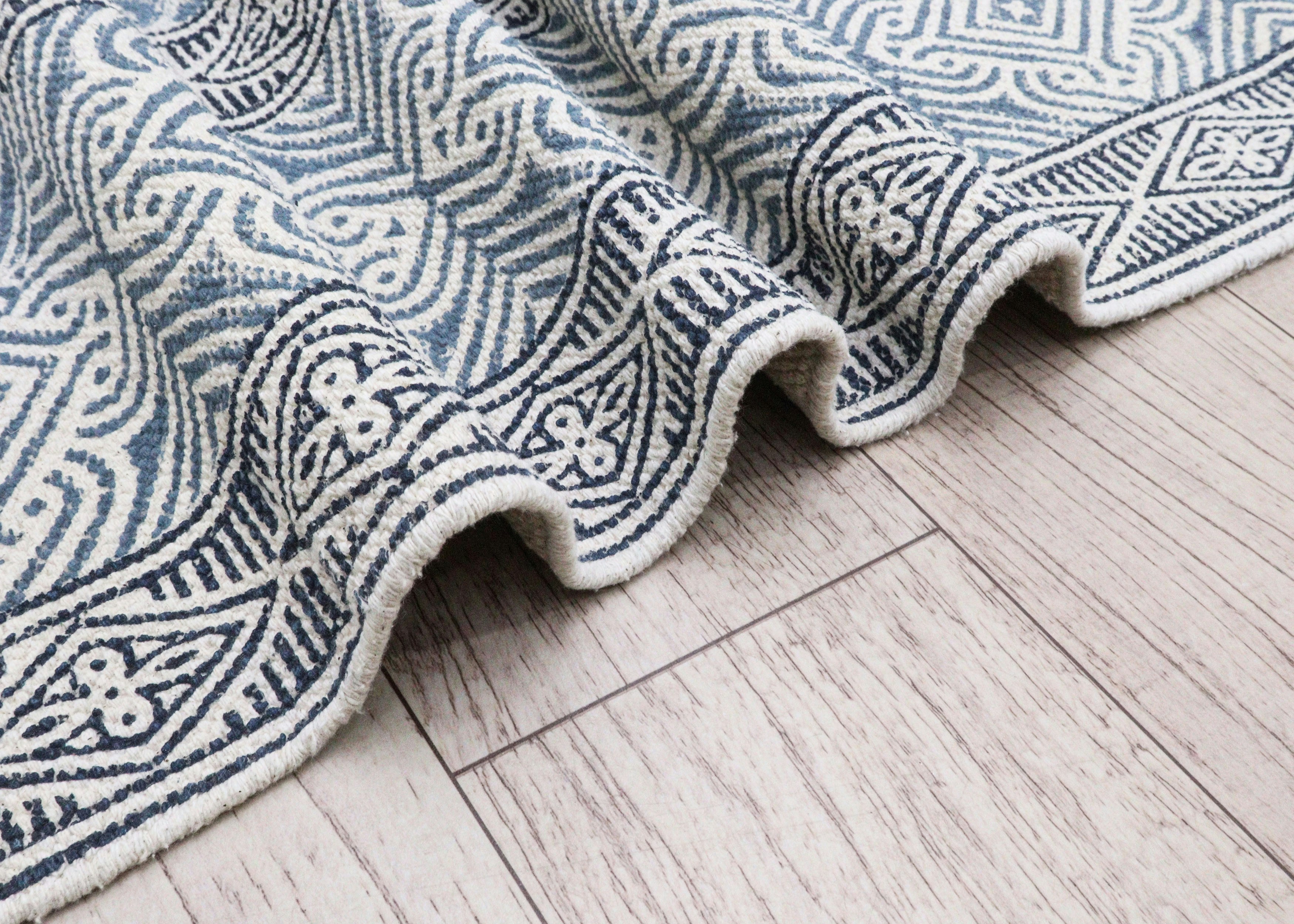

If you’re searching for a clear, step-by-step way to design or refresh your space without missing crucial details, this guide delivers exactly that. A well-structured interior design checklist helps you move from inspiration to execution with confidence—covering everything from defining your style and planning layouts to selecting materials, lighting, and smart integrations that elevate everyday living.
Instead of piecing together advice from scattered sources, this article brings together practical design principles, functional space strategies, and modern décor insights in one streamlined resource. We’ve analyzed current style trends, smart home advancements, and real-world layout challenges to ensure every recommendation is both aesthetically strong and highly livable.
By the end, you’ll have a comprehensive interior design checklist you can follow room by room—helping you avoid costly mistakes, maximize functionality, and create a cohesive space that reflects your lifestyle and vision.
Step 1: Defining Your Vision and Personal Style
As you explore our comprehensive room-by-room interior design checklist for homeowners, consider how embracing liv-inspired living can transform your space into an intentional haven – for more details, check out our What Is Liv-Inspired Living? A Guide to Intentional Home Design.
Before you buy a single throw pillow, pause. Great spaces start with clarity. First, discover your aesthetic. Scroll Pinterest, flip through Architectural Digest, or visit local showrooms in SoHo or the Design District to notice patterns in what you save. Minimalist style favors clean lines and restrained palettes. Scandinavian design blends functionality with hygge (a Danish concept meaning cozy contentment). Mid-Century Modern highlights tapered legs, organic curves, and walnut finishes. If you keep pinning neutral rooms with black accents, that’s data—not coincidence.
However, looks alone won’t carry a room. Next, set clear goals for each space. Ask: Who uses this room daily? What activities happen here—Zoom calls, homework marathons, Sunday football? What mood should it evoke: calm, energized, formal? A living room in a downtown condo may need acoustic panels and hidden storage, while a suburban family room might prioritize durability and stain-resistant fabrics (performance textiles are your friend).
Then, create a cohesive mood board. This is your interior design checklist in visual form. Combine paint swatches, fabric samples, and furniture images to test harmony before committing. Pro tip: limit your core color palette to three hues for cohesion. Adjust scale and lighting to anchor the narrative with intention always.
Step 2: Mastering Your Budget and Project Scope
A budget is your home’s roadmap; without one, even the most beautiful vision can veer off course. Think of it like packing for a trip: if you fill the suitcase with shoes, you will forget the essentials. A simple formula keeps spending balanced: furniture 40%, flooring/paint 20%, decor/lighting 15%, labor 15%, and a contingency fund 10%. That last slice is your safety net—because surprises happen.
Next, define your scope. Are you swapping cabinet hardware or rewiring the kitchen? A cosmetic refresh is like changing an outfit; a renovation is surgery. Be honest about DIY limits. Painting walls? Reasonable. Moving plumbing or electrical? Call a licensed professional.
Finally, prioritize with the high-low approach. Invest in high-use pieces—sofas, mattresses, dining chairs— the workhorses of daily life. Save on trend-driven accents that may fade faster than last year’s color craze. Use your interior design checklist as a compass, ensuring every dollar supports both function and feeling. Design, after all, is strategy dressed as style. When you treat your budget like a blueprint, not a wish list, each decision clicks into place, brick by brick, creating a home that feels intentional, livable, and lasting today.
Step 3: Strategic Space Planning and Layout
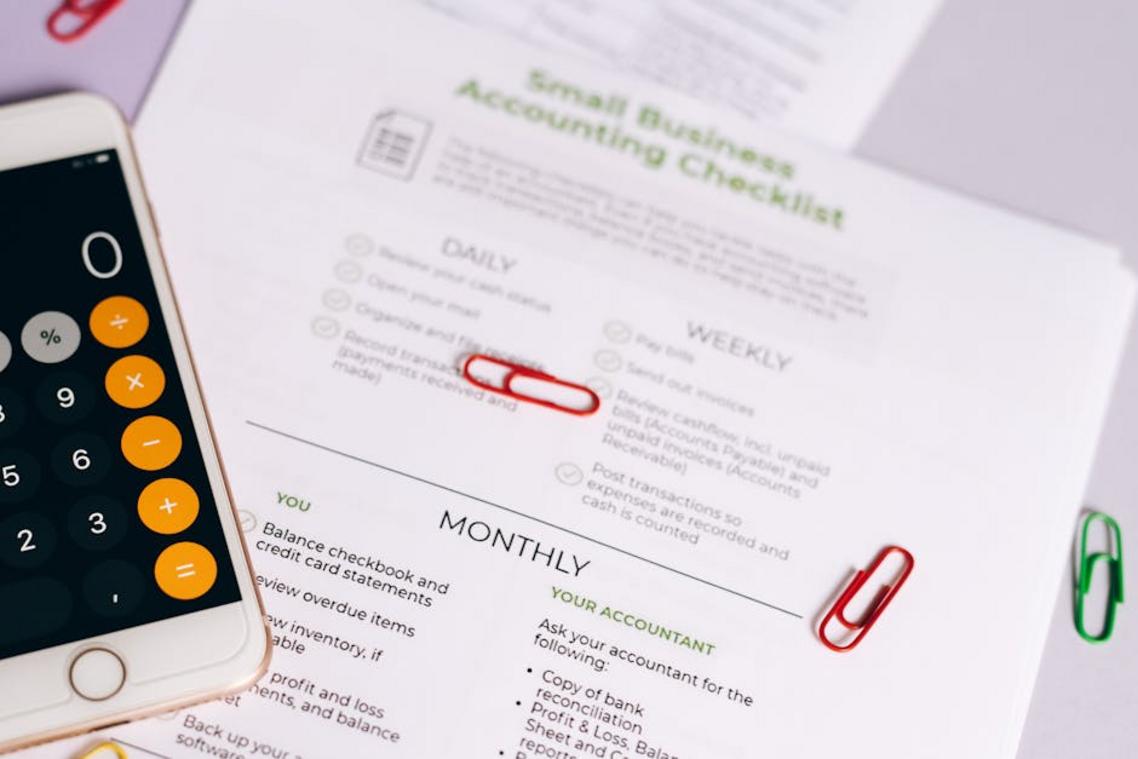
Measure Everything Accurately
First things first: measure everything. And yes, that means everything. Room length, width, ceiling height, window placement, door swings, outlet locations, and existing furniture dimensions. A few inches can be the difference between a seamless fit and an awkward return policy situation (we’ve all been there).
Create a simple interior design checklist and walk through the room step by step. Write down measurements immediately—don’t trust memory. For example, that “standard” sofa you love might be 96 inches wide, which can overwhelm a 10-foot wall once you factor in side tables.
Pro tip: Measure doorways and hallways too. Furniture that fits the room but not the entrance is a classic oversight.
Create a Functional Floor Plan
Next, map it out. You don’t need advanced software—graph paper or free online room planners work perfectly. Use scale (for example, 1 square = 1 foot) to visualize layout and spacing.
Pay attention to traffic flow, which refers to the natural pathways people use to move through a space. Leave at least 30–36 inches for comfortable clearance in main walkways. Also, think about sightlines—the direct view from the doorway. A clean, intentional focal point instantly makes a room feel pulled together.
Functional Space Hacks
Finally, define purpose. In open-concept layouts, create “zones” using rugs to anchor seating areas or lighting to distinguish dining from lounging. If you’re unsure about fixtures, review how to choose the right lighting for every space.
Some argue you can “figure it out as you go.” However, thoughtful planning prevents clutter, improves comfort, and saves money. Strategic layout isn’t restrictive—it’s freeing.
Step 4: Selecting Palettes, Materials, and Technology
Great design isn’t accidental—it’s SYSTEMATIC. And when you ground your decisions in proven principles, the results feel polished rather than pieced together.
1. Applying the 60-30-10 Color Rule
The 60-30-10 rule is a time-tested formula used by designers to create visual balance. Allocate 60% of the room to a dominant color (walls, large furniture), 30% to a secondary color (upholstery, curtains), and 10% to an accent (art, pillows, décor). According to color theory research from the Interaction Design Foundation, balanced contrast improves visual harmony and reduces cognitive strain in interior spaces. In real homes, this might mean warm white walls (60%), a navy sofa (30%), and brass accents (10%). It’s simple—but remarkably effective (yes, even Pinterest-famous rooms rely on it).
2. Layering Textures and Materials
Rooms that feel “flat” often lack material contrast. Studies in environmental psychology show tactile variety enhances perceived comfort. Mix wood with metal, glass with linen, or leather with velvet. A concrete coffee table softened by a wool rug creates depth. Think of it like fashion—no one wears denim on denim on denim (unless they’re making a bold 2001 pop comeback).
3. Planning for Smart Home Integration
Retrofitting tech later can increase costs by up to 30%, according to home renovation reports from Houzz. Plan outlet placement for smart speakers, pre-wire for automated blinds, and integrate layered smart lighting early. Pro tip: Map tech zones directly onto your interior design checklist before construction begins.
When aesthetics and infrastructure align, your space feels intentional—not improvised.
Bring Your Vision to Life with Confidence
You came here looking for clarity—practical guidance to design a home that feels cohesive, functional, and uniquely yours. Now you have the direction, ideas, and structure to move forward without second-guessing every choice.
Design overwhelm is real. Too many options, mismatched pieces, and costly mistakes can turn inspiration into frustration. But with the right strategy—and a clear interior design checklist—you can transform scattered ideas into a beautifully balanced space that works for your lifestyle.
The next step is simple: take what you’ve learned and start planning with intention. Map out your priorities, define your style direction, and implement one room at a time.
If you’re ready to eliminate guesswork and create a home that feels thoughtfully designed from corner to corner, explore our expert guides and smart solutions today. Thousands of homeowners trust our proven insights to simplify design decisions and elevate their spaces—now it’s your turn. Start building a home that truly reflects you.
 Founder & Creative Director
Tavien Veyland has opinions about liv-inspired living concepts. Informed ones, backed by real experience — but opinions nonetheless, and they doesn't try to disguise them as neutral observation. They thinks a lot of what gets written about Liv-Inspired Living Concepts, Smart Home System Integrations, In-Depth Guides is either too cautious to be useful or too confident to be credible, and they's work tends to sit deliberately in the space between those two failure modes.
Reading Tavien's pieces, you get the sense of someone who has thought about this stuff seriously and arrived at actual conclusions — not just collected a range of perspectives and declined to pick one. That can be uncomfortable when they lands on something you disagree with. It's also why the writing is worth engaging with. Tavien isn't interested in telling people what they want to hear. They is interested in telling them what they actually thinks, with enough reasoning behind it that you can push back if you want to. That kind of intellectual honesty is rarer than it should be.
What Tavien is best at is the moment when a familiar topic reveals something unexpected — when the conventional wisdom turns out to be slightly off, or when a small shift in framing changes everything. They finds those moments consistently, which is why they's work tends to generate real discussion rather than just passive agreement.
Founder & Creative Director
Tavien Veyland has opinions about liv-inspired living concepts. Informed ones, backed by real experience — but opinions nonetheless, and they doesn't try to disguise them as neutral observation. They thinks a lot of what gets written about Liv-Inspired Living Concepts, Smart Home System Integrations, In-Depth Guides is either too cautious to be useful or too confident to be credible, and they's work tends to sit deliberately in the space between those two failure modes.
Reading Tavien's pieces, you get the sense of someone who has thought about this stuff seriously and arrived at actual conclusions — not just collected a range of perspectives and declined to pick one. That can be uncomfortable when they lands on something you disagree with. It's also why the writing is worth engaging with. Tavien isn't interested in telling people what they want to hear. They is interested in telling them what they actually thinks, with enough reasoning behind it that you can push back if you want to. That kind of intellectual honesty is rarer than it should be.
What Tavien is best at is the moment when a familiar topic reveals something unexpected — when the conventional wisdom turns out to be slightly off, or when a small shift in framing changes everything. They finds those moments consistently, which is why they's work tends to generate real discussion rather than just passive agreement.