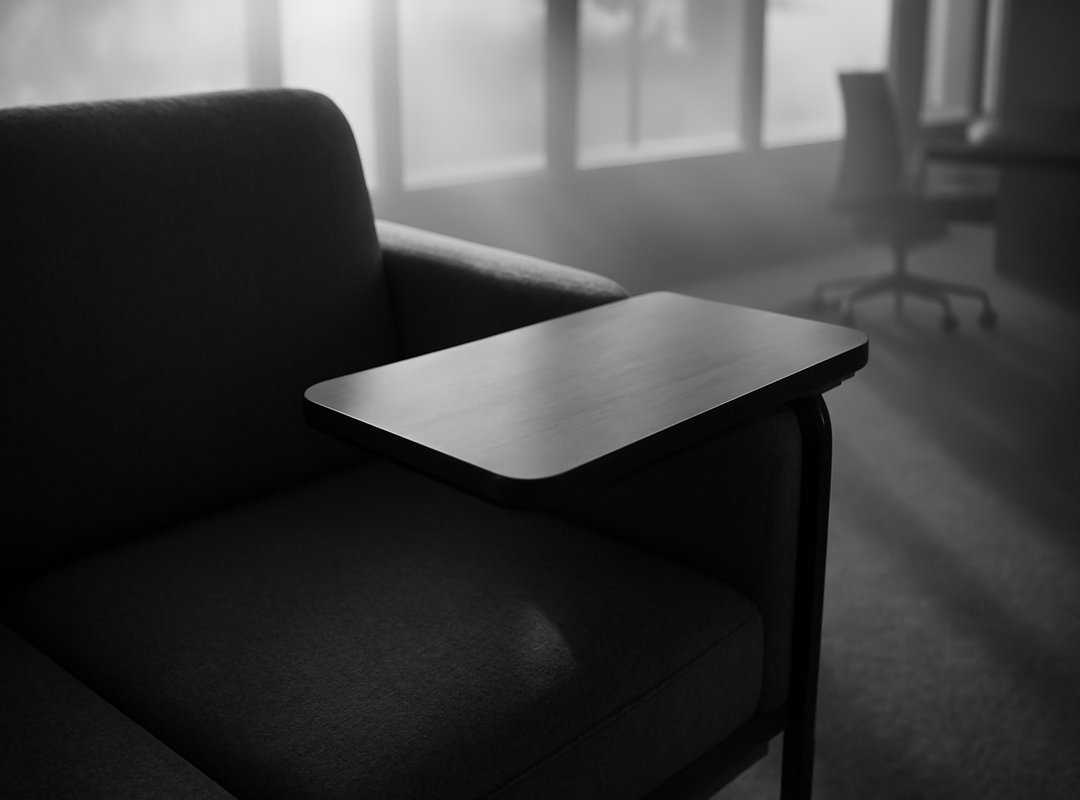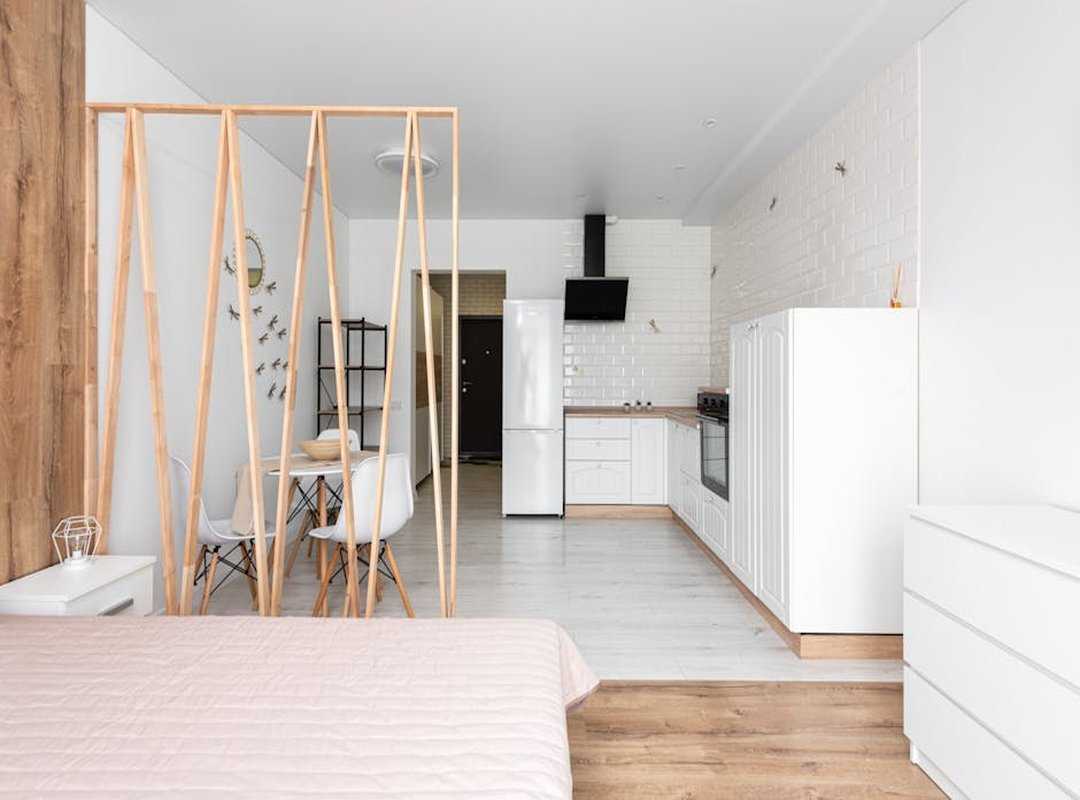

If you’ve ever walked into a room that felt warm, dynamic, and effortlessly styled, chances are layering textures in interior design was the secret behind it. Many homeowners struggle with spaces that look flat or unfinished, even after investing in beautiful furniture and décor. The missing element is often texture—how materials, fabrics, finishes, and surfaces interact to create depth and visual interest.
This article is designed to show you exactly how to combine textures with confidence, whether you’re refreshing a single room or rethinking your entire home. You’ll learn practical strategies for mixing soft and hard elements, balancing patterns, and creating cohesion without clutter.
Our insights are grounded in current design research, consultations with experienced interior stylists, and real-world applications across modern living spaces. By the end, you’ll have clear, actionable guidance to transform any room into a layered, inviting environment that feels both curated and comfortable.
Beyond Color: The Secret to a Rich, Layered Home
We obsess over paint swatches, but I believe texture is what makes a room breathe. Texture refers to how surfaces feel or appear to feel—think velvet sofas, raw wood tables, woven baskets. Without it, spaces photograph yet feel oddly sterile in real life (like a showroom no one lives in).
Here’s my take:
- Mix soft and hard materials for contrast
- Repeat natural elements to ground the room
Mastering layering textures in interior design adds depth, warmth, and personality. Pro tip start with textiles—pillows and throws are low-risk, high-impact upgrades
Understanding texture starts with two distinct languages: tactile and visual.
Tactile texture is what your fingertips register—the cool glide of silk, the gritty drag of linen, the faint ridges in hand-thrown clay. Visual texture, on the other hand, is implied. It’s the printed wood grain on porcelain tile or marble veining swirling across quartz, convincing your eyes something has depth it doesn’t physically possess.
Because our brains connect texture to memory, surfaces shape mood. Smooth, glossy finishes like lacquer or polished metal feel crisp and modern, echoing with a subtle click and shine. Rough, matte materials—jute, reclaimed wood—absorb light and sound, grounding a room in warmth. Meanwhile, plush velvet or shearling invites you to sink in, signaling comfort and luxury.
The magic happens through textural contrast. By use layering textures in interior design, you create tension and balance—sleek beside rustic, soft against structured—so a space feels dynamic rather than flat.
A Room-by-Room Guide to Building Your Textural Palette
Designing a home without texture is like baking without salt. It looks fine, technically works, but something feels off. In my experience, the secret to depth isn’t more color—it’s layering textures in interior design with intention.
The Living Room: The Social Hub
This is where personality should show up first. I’m a big believer in contrast here. Pair a smooth leather sofa with nubby bouclé pillows. Let a plush high-pile rug sit beneath a sleek glass coffee table. Add rough-textured pottery on a slim metal side table. When everything is either shiny or soft, the room falls flat (like a stage with no spotlight).
Some argue that too many textures feel busy. I disagree. If you keep a tight color palette, contrast actually creates cohesion. The eye moves comfortably from surface to surface, almost like scrolling a perfectly curated feed.
Texture is what makes a room feel lived in, not just styled.
The Bedroom: The Serene Sanctuary
Comfort should win here, always. Crisp cotton or linen sheets set a breathable base. Layer in a soft velvet headboard, a chunky knit throw blanket, and flowing sheer curtains to diffuse light. The mix matters: smooth + plush + airy.
Minimalists might say stick to one or two materials for calm. Personally, I think calm comes from harmony, not sameness. A velvet headboard against matte linen adds quiet luxury without shouting for attention (think old-Hollywood glamour, but toned down).
The Kitchen & Dining Area: The Functional Core
Kitchens are hard-surfaced by nature—stone, tile, metal. Without warmth, they can feel clinical. I like woven rattan placemats on a stone countertop, upholstered dining chairs against a wood table, and a natural fiber runner to soften the floor.
Yes, some will argue fabric in dining areas is impractical. But with performance materials widely available, that concern feels dated. Texture here doesn’t just look good—it invites people to linger, which, in my opinion, is the whole point.
Expert Rules for Mixing and Matching Like a Pro

Mixing textures can feel intimidating. However, once you understand a few core principles, it becomes less about instinct and more about structure. In simple terms, “texture” refers to how a surface looks or feels—smooth, rough, glossy, soft, or woven. The magic happens when you combine them thoughtfully.
-
Vary the Scale
Scale means size. A large-scale texture, like wide-plank wood flooring, anchors the room. Medium textures—think woven baskets—add depth. Smaller details, such as a finely woven pillow cover, provide contrast. When all textures are the same size, a room can feel flat (even if it’s technically stylish). -
Balance Opposites
Next, pair contrasting surfaces. If you have a sleek leather sofa, add a chunky knit throw. This contrast—hard versus soft, smooth versus tactile—is the foundation of layering textures in interior design. -
Incorporate Natural Elements
Additionally, bring in wood, stone, plants, or dried botanicals. These organic materials prevent spaces from feeling artificial (like a showroom no one actually lives in). -
Don’t Neglect the Walls
Finally, move beyond flat paint. Limewash, grasscloth wallpaper, or paneling creates subtle dimension and supports how to create a focal point in any room without overdecorating.
Functional Textures: More Than Just Good Looks
Have you ever walked into a room and instantly felt calmer—without knowing why? Texture often does the quiet work behind the scenes.
Acoustic Enhancement
Soft, porous materials like heavy drapes, upholstered sofas, and thick rugs absorb sound waves (instead of letting them bounce around like a noisy gym). This reduces echo and sharpens clarity, creating a more peaceful environment. In fact, sound absorption improves as material density and thickness increase, a principle widely recognized in architectural acoustics research. Ever notice how a carpeted bedroom feels quieter than a tiled kitchen?
Light Manipulation
Shiny finishes—mirrors, chrome, glass—reflect light, brightening darker corners. Matte surfaces such as linen or unfinished wood diffuse and absorb light, producing a softer glow. Which mood are you trying to set: energizing or cozy?
Smart Home Integration
Fabric-wrapped speakers and matte switches blend seamlessly into layering textures in interior design, avoiding that stark plastic look (because no one wants their tech shouting for attention).
Creating a home that feels as good as it looks means designing beyond color palettes and clean lines. A room can photograph beautifully yet feel flat when every surface shares the same finish. The fix is layering textures in interior design to engage touch as much as sight. Balance elements:
- Matte limewash walls beside brass fixtures
- Nubby wool throws over leather seating
- Honed stone paired with cabinetry
These material choices add depth, control light reflection, and improve acoustics. If you doubt it, start small: refresh one space and introduce three textures. You’ll feel the shift right away.
You came here looking for practical, inspiring ways to elevate your home with smarter layouts, elevated style choices, and seamless functionality. Now you have a clearer path forward — from embracing Liv-Inspired concepts to integrating smart systems and mastering layering textures in interior design to create depth, warmth, and personality in every room.
A home that feels disjointed, cluttered, or outdated can quietly drain your energy every day. But with the right design strategies, functional space hacks, and cohesive décor direction, your space can finally support your lifestyle instead of working against it.
Bring Your Space to Life
Don’t let another season pass in a home that doesn’t reflect who you are. Start applying these design principles room by room — refine your layout, upgrade key focal points, and experiment with texture and smart integrations that make daily living effortless.
If you’re ready for a home that feels intentional, stylish, and intelligently designed, explore our in-depth guides and proven living concepts today. Join thousands of inspired homeowners transforming their spaces with confidence — and take the first step toward a home that truly works for you.
 Smart Home Systems & Integration Specialist
Herbert Hamiltonatier is the kind of writer who genuinely cannot publish something without checking it twice. Maybe three times. They came to smart home system integrations through years of hands-on work rather than theory, which means the things they writes about — Smart Home System Integrations, In-Depth Guides, Highlight Hub, among other areas — are things they has actually tested, questioned, and revised opinions on more than once.
That shows in the work. Herbert's pieces tend to go a level deeper than most. Not in a way that becomes unreadable, but in a way that makes you realize you'd been missing something important. They has a habit of finding the detail that everybody else glosses over and making it the center of the story — which sounds simple, but takes a rare combination of curiosity and patience to pull off consistently. The writing never feels rushed. It feels like someone who sat with the subject long enough to actually understand it.
Outside of specific topics, what Herbert cares about most is whether the reader walks away with something useful. Not impressed. Not entertained. Useful. That's a harder bar to clear than it sounds, and they clears it more often than not — which is why readers tend to remember Herbert's articles long after they've forgotten the headline.
Smart Home Systems & Integration Specialist
Herbert Hamiltonatier is the kind of writer who genuinely cannot publish something without checking it twice. Maybe three times. They came to smart home system integrations through years of hands-on work rather than theory, which means the things they writes about — Smart Home System Integrations, In-Depth Guides, Highlight Hub, among other areas — are things they has actually tested, questioned, and revised opinions on more than once.
That shows in the work. Herbert's pieces tend to go a level deeper than most. Not in a way that becomes unreadable, but in a way that makes you realize you'd been missing something important. They has a habit of finding the detail that everybody else glosses over and making it the center of the story — which sounds simple, but takes a rare combination of curiosity and patience to pull off consistently. The writing never feels rushed. It feels like someone who sat with the subject long enough to actually understand it.
Outside of specific topics, what Herbert cares about most is whether the reader walks away with something useful. Not impressed. Not entertained. Useful. That's a harder bar to clear than it sounds, and they clears it more often than not — which is why readers tend to remember Herbert's articles long after they've forgotten the headline.