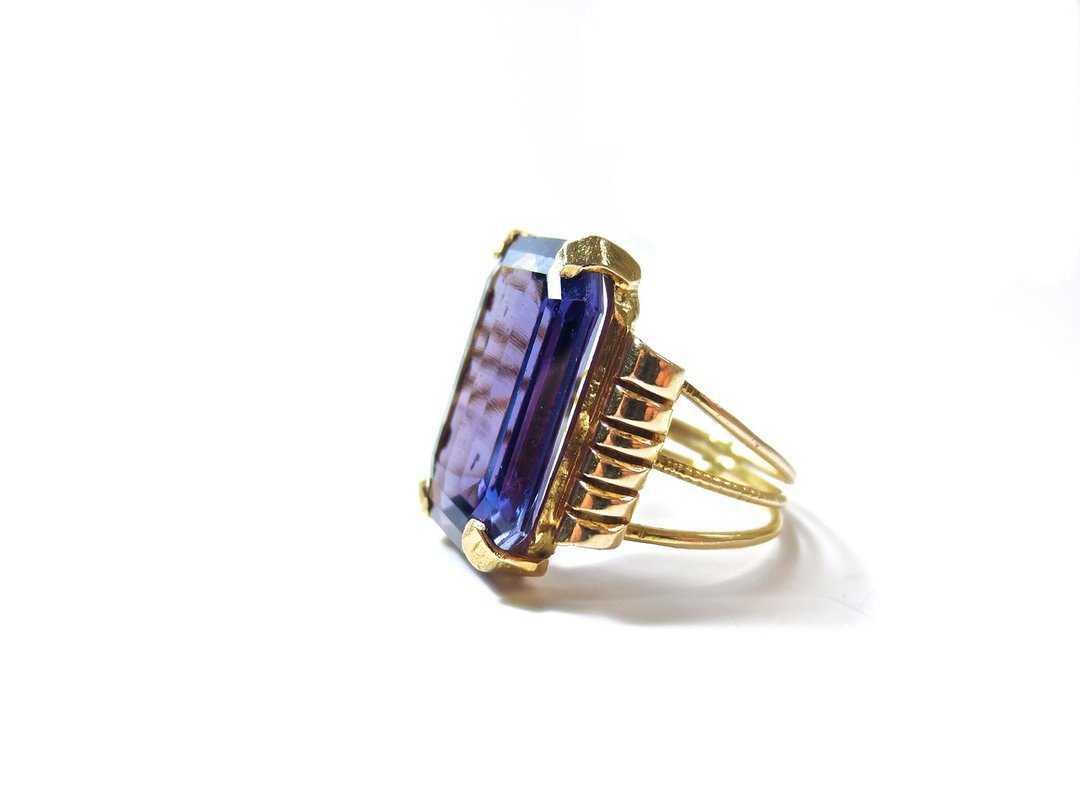
You’re here because Mid-Century Modern design has you hooked. I get it. Its sleek lines and timeless appeal are hard to resist.
But let’s be real. Loving the look is one thing; making it work in your home without feeling like a movie set? That’s the challenge.
Enter this Mid-Century Modern guide. You don’t just need pretty pictures; you need a roadmap. With years of experience in curating authentic home styles, we’ve got you covered.
Expect a clear breakdown of what makes this style tick and practical tips to nail it. Ready to transform your space?
Mid-Century Modern: Beyond the Hype
What really defines Mid-Century Modern? It’s not just about the hype. At its core, MCM is a post-war movement celebrating simplicity, functionality, and a connection to nature.
It’s a style that emerged roughly between 1945 and 1969. This period was all about innovation and optimism, which, let’s be honest, the world could use a bit more of today.
Now, Mid-Century Modern guide often gets mixed up with other styles. But there’s a clear distinction. Take Scandinavian design.
Sure, both love minimalism, but MCM uses warmer woods like walnut and teak. Scandinavian? It’s all about lighter woods.
Think birch and pine. And more muted colors. It’s like comparing a cozy fireplace to a crisp, winter morning.
Both are beautiful but evoke different feelings.
And then there’s minimalism. Yes, MCM avoids clutter, but it embraces organic shapes and natural textures. True minimalism?
It can be stark and industrial, almost like living in an art gallery. I find the warmth of MCM much more welcoming.
Key Principles
Here’s what defines MCM:
- Clean Lines
- Organic & Geometric Shapes
- Function Over Ornament
- Bringing the Outdoors In
MCM isn’t just about furniture; it’s a lifestyle. If you’re looking to master open floor plan tips (a) favorite in MCM homes. Check out this guide.
Pro tip: Incorporate plants and natural materials to really bring that outdoor feel inside. Does MCM speak to you? It sure does to me.
The Core Elements: A Visual Checklist for Your Home
Ready for a room transformation? to the Mid-Century Modern guide. This isn’t just any style; it’s about capturing a vibe. A certain cool elegance.
You know it when you see it.
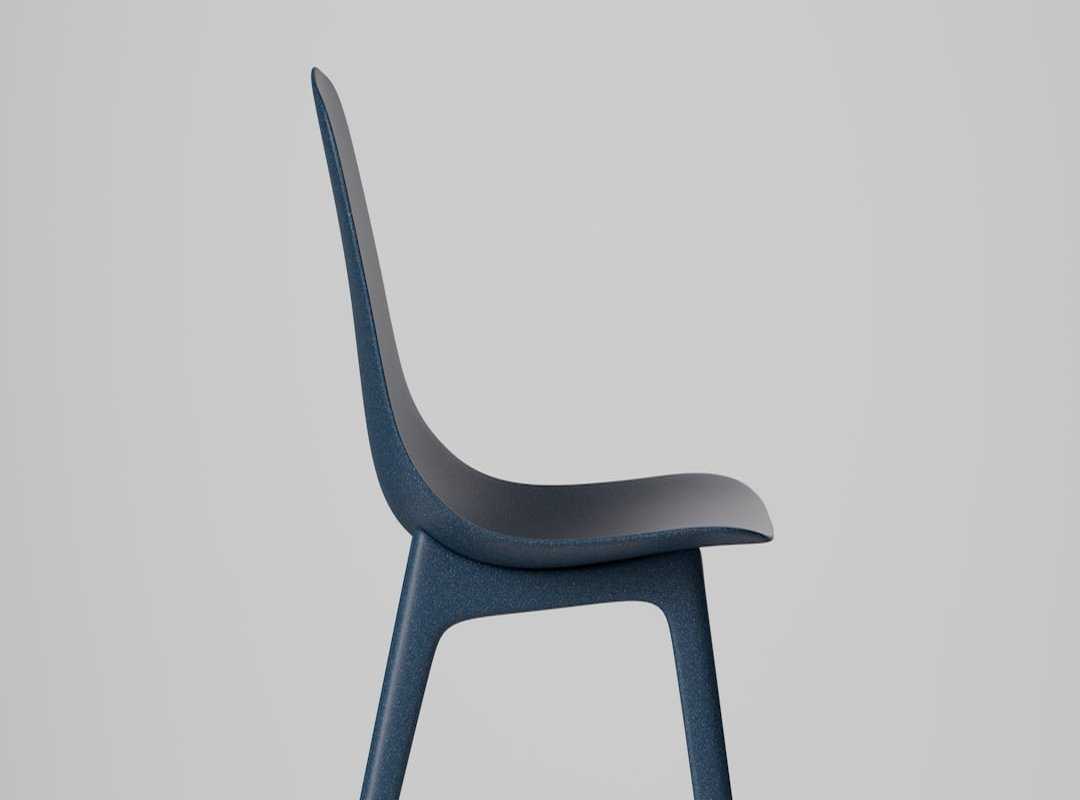
Furniture is where it starts. Look for low profiles. You want those sleek, tapered “peg” legs. Simple hardware is key. And if you spot a kidney or boomerang shape, you’re on the right track. These aren’t just pieces; they’re statements. They’re the kind of furniture that makes you want to throw a Mad Men party (martinis optional).
Next up, materials. This style loves a mix of the natural and the man-made. Think Teak, Walnut, and Rosewood, which give that warm, grounded feel.
Pair these with some Plastics (especially in molded chairs), Glass, and Metals like brass or chrome accents. It’s all about balance. The earthy with the industrial.
Now, what about the color palette? Start with a neutral base: whites and grays. Then, layer in some classic Mid-Century hues.
Mustard yellow, olive green, pumpkin orange, and deep teal. These colors don’t just sit there; they pop. They create a space that’s both cozy and sophisticated.
Patterns and textiles add the finishing touch. Bold, abstract, and geometric prints are your friends. Use them on rugs, throw pillows, and curtains.
And don’t forget those starbursts and atomic-age motifs. They’re classic, and they add just the right amount of personality.
Want more on this style? Check out the important guide to midcentury design for deeper takeaways. But remember, this isn’t just about following rules.
It’s about capturing a feeling. Get it right, and your space won’t just look good. It’ll feel right.
Your Guide to Scoring MCM Treasures
Finding Mid-Century Modern pieces is like a treasure hunt. Where do you start? Local antique malls and estate sales can be goldmines for authentic vintage.

Flea markets too. Keep your eyes open for maker’s marks or labels from brands like Herman Miller or Knoll. These marks are like the signatures of authenticity.
Online, you’ve got options like Chairish, 1stDibs, and if you’re willing to dig a bit, Etsy. These platforms are great, but be discerning. Not everything labeled “vintage” really is.
Know what you’re looking for. Design, material, craftsmanship.
If high-quality reproductions are more your speed (because not everyone wants to deal with scratches and patina), head to stores like West Elm, Article, or Joybird. They offer that iconic look without the vintage price tag. Plus, you get the benefit of something brand new, ready to withstand the wear and tear of modern life.
Now, for the budget-conscious (and who isn’t these days?), Facebook Marketplace, Craigslist, and local thrift stores are your friends. They’re full of potential hidden gems. Use search terms like “tapered legs,” “credenza,” or “teak dresser” to unearth treasures.
It’s like casting a net with just the right bait.
Pro tip: patience and persistence pay off. Don’t get discouraged if you don’t find your dream piece right away. Keep hunting.
Great finds often come to those who wait and watch.
And while we’re on the subject of making your home smarter, you might find this guide useful. It’s not about furniture, but it does cover how to integrate smart systems into the Mid-Century Modern style. After all, blending the old with the new is what makes a home truly unique.
So, ready to dive into your Mid-Century Modern guide? Happy hunting.
Integrating MCM into Your Smart, Modern Home
Integrating Mid-Century Modern into your smart home isn’t just about style. It’s about creating a unique space where vintage meets modern. Let’s talk about concealing technology.
You don’t want wires and gadgets ruining the vibe, right? I suggest using classic credenzas as media consoles. They hide technology while keeping that clean look.
And for those smart speakers, go for ones with wood or fabric finishes. They blend in seamlessly.
Now, let’s complement, not clash. The clean lines and functionalist philosophy of MCM work brilliantly with sleek modern gadgets. It’s like they were made for each other.
Your home’s uncluttered backdrop makes tech feel intentional, not an eyesore.
What about smart lighting? Use smart bulbs or discreet track lighting. They highlight architectural features and that beautiful wood grain in your furniture.
It’s all about enhancing the MCM aesthetic.
Modern comfort is key too. Update vintage pieces with high-performance fabrics. Make them practical for everyday family life.
You want to enjoy your home, not just look at it.
This Mid-Century Modern guide is your ticket to a home that marries style with smart living. So, are you ready to transform your space?
Build Your Timeless Space
Feeling overwhelmed by Mid-Century Modern style? You’re not alone. Yet, with the Mid-Century Modern guide, you’ve got everything you need.
This guide covers the basics and shows you where to find the perfect pieces.
Now, this approach works. Why? Because it simplifies the chaos.
Focus on the core elements, and you can craft an authentic space one piece at a time.
So what’s next? Grab this guide. Pick one item.
A chair, a lamp, or a side table. Start there. Build your timeless home from that single piece.
It’s your move. Let’s get started.
 Founder & Creative Director
Tavien Veyland has opinions about liv-inspired living concepts. Informed ones, backed by real experience — but opinions nonetheless, and they doesn't try to disguise them as neutral observation. They thinks a lot of what gets written about Liv-Inspired Living Concepts, Smart Home System Integrations, In-Depth Guides is either too cautious to be useful or too confident to be credible, and they's work tends to sit deliberately in the space between those two failure modes.
Reading Tavien's pieces, you get the sense of someone who has thought about this stuff seriously and arrived at actual conclusions — not just collected a range of perspectives and declined to pick one. That can be uncomfortable when they lands on something you disagree with. It's also why the writing is worth engaging with. Tavien isn't interested in telling people what they want to hear. They is interested in telling them what they actually thinks, with enough reasoning behind it that you can push back if you want to. That kind of intellectual honesty is rarer than it should be.
What Tavien is best at is the moment when a familiar topic reveals something unexpected — when the conventional wisdom turns out to be slightly off, or when a small shift in framing changes everything. They finds those moments consistently, which is why they's work tends to generate real discussion rather than just passive agreement.
Founder & Creative Director
Tavien Veyland has opinions about liv-inspired living concepts. Informed ones, backed by real experience — but opinions nonetheless, and they doesn't try to disguise them as neutral observation. They thinks a lot of what gets written about Liv-Inspired Living Concepts, Smart Home System Integrations, In-Depth Guides is either too cautious to be useful or too confident to be credible, and they's work tends to sit deliberately in the space between those two failure modes.
Reading Tavien's pieces, you get the sense of someone who has thought about this stuff seriously and arrived at actual conclusions — not just collected a range of perspectives and declined to pick one. That can be uncomfortable when they lands on something you disagree with. It's also why the writing is worth engaging with. Tavien isn't interested in telling people what they want to hear. They is interested in telling them what they actually thinks, with enough reasoning behind it that you can push back if you want to. That kind of intellectual honesty is rarer than it should be.
What Tavien is best at is the moment when a familiar topic reveals something unexpected — when the conventional wisdom turns out to be slightly off, or when a small shift in framing changes everything. They finds those moments consistently, which is why they's work tends to generate real discussion rather than just passive agreement.