
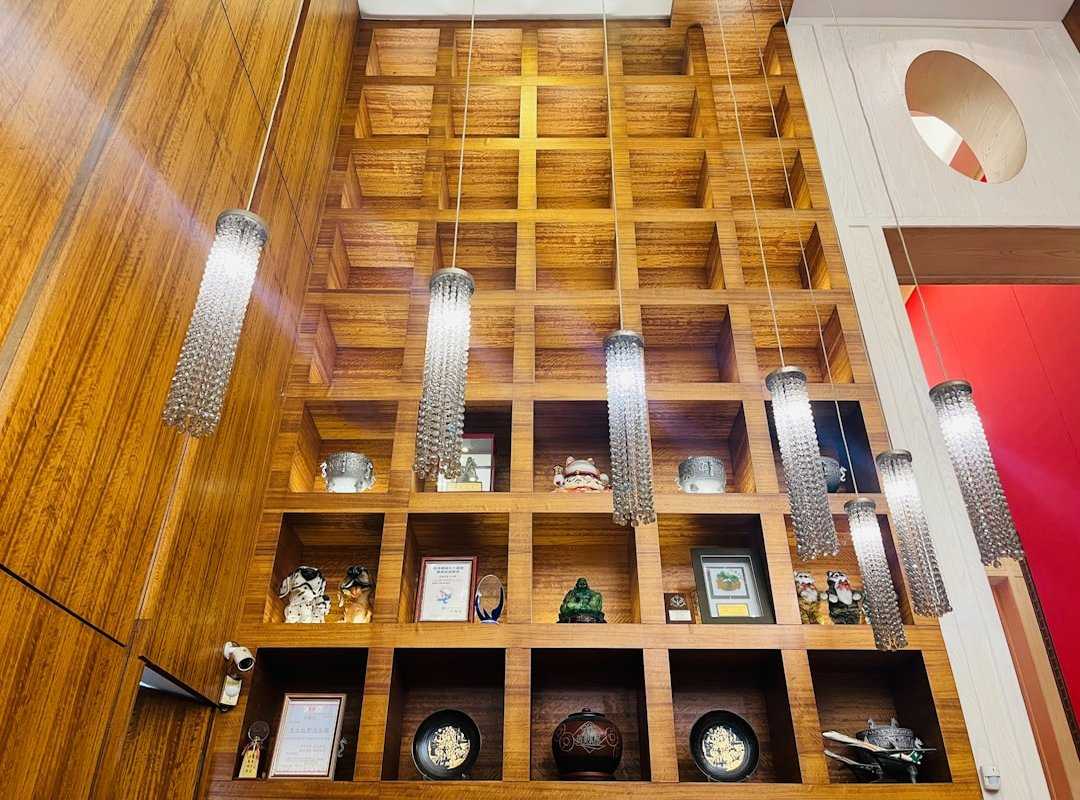
Ever wondered why your home doesn’t feel quite right? You’re not alone. We all crave a space that reflects who we are.
But let’s be real (designing) your dream home isn’t easy. award-winning interior designers step in. They’ve got the skills to transform any room into a masterpiece. Not convinced?
Think about the endless hours you’d spend scrolling through Pinterest, trying to figure out the perfect color palette or furniture layout. It’s like trying to solve a puzzle with missing pieces.
The best designers don’t just follow trends; they create spaces that tell a story. They know exactly how to bring life into every corner, making sure everything feels just right. This article dives deep into what these experts do and why you should trust them with your home.
Forget the stress and let the pros handle it. You’ll learn how they blend style with functionality, turning your vision into reality.
The Foundation: Skills and Credentials That Matter
Let’s get real. Award-winning interior designers don’t just wake up one day with brilliant ideas. They build on a foundation of formal training and certification. You can’t fake technical skill.
Sure, good taste is important, but without solid education, it won’t take you far. Degrees in interior design or architecture from CIDA-accredited institutions are key. They cover building codes, spatial planning, and technical drawing.
These aren’t just buzzwords. They’re the backbone of any professional’s toolkit.
Because it tests health, safety, and welfare standards. Passing it means you’ve hit a high level of competence. It’s not a walk in the park, and that’s the point.
Now, let’s talk certifications. The NCIDQ (National Council for Interior Design Qualification) exam is the industry’s gold standard. Why?
You need this badge to stand out.
Affiliations with organizations like ASID (American Society of Interior Designers) or IIDA (International Interior Design Association) are more than just resume fillers. These marks mean commitment to ethical standards and continuing education. It’s about staying sharp and accountable.
You’re not just designing pretty spaces; you’re crafting environments that work.
Curious about other industry leaders? Check out the top 10 decor influencers follow. They know the game because they’ve played it right.
Pro tip: Keep learning, keep evolving. In design, standing still is moving backward. You want your work to speak volumes, not just for itself but about you as a professional.
Beyond the Resume: Evaluating a Designer’s Portfolio and Process
Let’s be real: a resume tells you where someone’s been, but not what they can do. the portfolio steps in. It’s not just a collection of pretty pictures. Oh no, it’s a gallery of case studies.
You want to see diversity in style and project type. Does the designer’s personal flair overshadow the client’s needs? That’s a red flag.
Look for those “before and after” shots. It’s about solving problems, not just decorating. Reconfiguring awkward layouts or maximizing natural light?
That’s the kind of magic we’re after. It’s not about slapping on some paint and calling it a day. It’s about transformation.
A solid design process is key (oops, did I say key? I meant important). A professional designer will map out their steps from concept to final installation.
Mood boards, procurement, installation (it’s) all there. Does the designer communicate this clearly? If not, what else are they hiding?
And let’s talk testimonials. Generic praise like “great to work with” is as useful as a chocolate teapot. You need specifics.
How did they handle budget management? Were they problem-solving champions? Communication is key.
If clients rave about these, you’re onto something good.
Here’s a pro tip: Check out some of the 50 best interior designers in New York. These award-winning interior designers often set the standard. See how they showcase their work.
It’s a masterclass in presentation.
In the end, a designer’s portfolio and process reveal more than any list of credentials ever could. They show you how they think, how they solve problems, and how they might tackle your project. That’s what you really need to know.
It’s all about seeing the bigger picture while appreciating the finer details.
The Modern Edge: Skills That Define Today’s Leading Designers
What makes an award-winning designer today? It’s not just about choosing the right color palette anymore. Technology, modern living, and evolving tastes mean that defining a “recognized professional” is changing faster than ever.

If you’re stuck in the 90s with just a pencil and paper, you’re missing out.
Modern design tools like AutoCAD and SketchUp are not just fancy gadgets. They’re the backbone of precise design work. These programs help clients visualize spaces with stunning accuracy (seriously, it’s like stepping into the future), preventing those costly “oops” moments.
Trust me, you don’t want to explain why the couch doesn’t fit.
It’s an art.
Smart homes aren’t a far-off dream. They’re here, and designers who ignore this are living under a rock. A forward-thinking designer knows how to integrate systems for lighting, climate, security, and entertainment without turning a home into a tech dungeon.
Pro tip: Keep the tech subtle. You want a smooth aesthetic, not a spaceship.
Then there’s the whole movement towards sustainability and wellness-focused design. Top professionals today pay attention to eco-friendly materials and energy-fast solutions. Biophilic design is big (it) connects indoor spaces with nature, promoting healthier living environments.
Everyone’s happier when there’s fresh air and natural light.
Thinking of diving deeper into this world? Check out the Must Visit Home Design Expos Year for the latest trends. It’s where ideas spring to life.
The industry is moving fast. Blink, and you might miss the next big thing. Being an award-winning interior designer today means evolving, adopting new tools, and understanding modern living’s demands.
It might sound overwhelming, but it’s thrilling too. Changing the way people live. Now that’s an edge.
Finding Your Match: How to Find and Vet Your Ideal Designer
Finding a designer can feel like dating. You need chemistry and trust. For starters, look at award-winning interior designers through reliable sources.
Try ASID’s referral service, design magazines, or curated platforms like Houzz. They’re not just for show.
Once you’ve got a list, it’s time to dive deeper. Ask the right questions. Can you describe your design process?
How do you manage project budgets and timelines? And yes, what happens when things don’t go as planned? You want someone who’s been through the wringer and knows how to make Plan B look like Plan A.
Pro tip: Check references like you’re hiring a secret agent. Talk to past clients. What was the designer’s communication style?
Were they professional? Did they finish on time and on budget? These questions matter more than you think.
Remember, you’re not just hiring a creative. You’re bringing someone into your space, your life (cue dramatic music). So, dig in.
It’s worth the effort. After all, the right designer can turn a house into a home, and that’s no small feat. Don’t settle for less than a perfect match.
Step into the Design World with Confidence
Navigating the design world can be daunting. Finding a genuinely qualified professional? Even more so.
But you’re not alone. You’ve got a system now. Credentials?
Check. Portfolio? Check.
Technical skills? Double check. You’re ready to look past the surface and spot those award-winning interior designers who’ll be true partners for your project.
So, what’s next? Take these takeaways and start your search today. It’s your space.
Make it a dream. Visit livpristhome.com for more inspiration and trends. Dive in.
Get started. Find that designer who’ll bring your vision to life. Your dream home awaits.
 Décor & Functional Living Editor
Monica Hollandaverso writes the kind of prist décor and style trends content that people actually send to each other. Not because it's flashy or controversial, but because it's the sort of thing where you read it and immediately think of three people who need to see it. Monica has a talent for identifying the questions that a lot of people have but haven't quite figured out how to articulate yet — and then answering them properly.
They covers a lot of ground: Prist Décor and Style Trends, Smart Home System Integrations, Liv-Inspired Living Concepts, and plenty of adjacent territory that doesn't always get treated with the same seriousness. The consistency across all of it is a certain kind of respect for the reader. Monica doesn't assume people are stupid, and they doesn't assume they know everything either. They writes for someone who is genuinely trying to figure something out — because that's usually who's actually reading. That assumption shapes everything from how they structures an explanation to how much background they includes before getting to the point.
Beyond the practical stuff, there's something in Monica's writing that reflects a real investment in the subject — not performed enthusiasm, but the kind of sustained interest that produces insight over time. They has been paying attention to prist décor and style trends long enough that they notices things a more casual observer would miss. That depth shows up in the work in ways that are hard to fake.
Décor & Functional Living Editor
Monica Hollandaverso writes the kind of prist décor and style trends content that people actually send to each other. Not because it's flashy or controversial, but because it's the sort of thing where you read it and immediately think of three people who need to see it. Monica has a talent for identifying the questions that a lot of people have but haven't quite figured out how to articulate yet — and then answering them properly.
They covers a lot of ground: Prist Décor and Style Trends, Smart Home System Integrations, Liv-Inspired Living Concepts, and plenty of adjacent territory that doesn't always get treated with the same seriousness. The consistency across all of it is a certain kind of respect for the reader. Monica doesn't assume people are stupid, and they doesn't assume they know everything either. They writes for someone who is genuinely trying to figure something out — because that's usually who's actually reading. That assumption shapes everything from how they structures an explanation to how much background they includes before getting to the point.
Beyond the practical stuff, there's something in Monica's writing that reflects a real investment in the subject — not performed enthusiasm, but the kind of sustained interest that produces insight over time. They has been paying attention to prist décor and style trends long enough that they notices things a more casual observer would miss. That depth shows up in the work in ways that are hard to fake.