Ever feel like your home is just a box with walls? I hear you. In our modern world, it’s easy to feel disconnected from nature.
This guide is here to change that. We’re diving into the world of biophilic design interiors. It’s about bringing the outdoors in, creating spaces that feel alive and soothing.
I’ve spent years perfecting this art (not just throwing plants around). You deserve a sanctuary that calms you. Trust me, you’ll get more than just pretty room ideas.
You’ll get an actionable plan to transform your home into a natural haven. Ready to feel connected again?
Beyond Houseplants: The Core Philosophy of Biophilic Design
We all crave nature, don’t we? Enter biophilic design interiors, which tap into our innate need to connect with nature. This isn’t just a trend.
It’s a core philosophy that enhances our well-being. Studies show that being surrounded by nature-inspired elements can reduce stress, boost creativity, and improve overall mood. Who wouldn’t want that?
Now, let’s clear up a common misconception: biophilic design isn’t the same as rustic or boho styles. It’s flexible. Whether you’re into modern minimalism or traditional decor, you can integrate nature effortlessly into your space.
Think big windows for natural light or indoor plants that breathe life into a room. It’s about making spaces that support human health, not just adding a fern in the corner.
Ever feel your space lacks character? Consider Mixing Vintage Modern Decor to blend styles seamlessly.
Pro tip: use natural materials like wood or stone to add texture without overwhelming your space. This is more than aesthetics. It’s about creating living spaces that nurture us, using biophilic design interiors as a guiding principle.
Don’t just follow trends. Create a home that makes you feel alive.
Natural Palettes: The Heart of Biophilic Design
When it comes to creating a biophilic design interior, materials are more than just building blocks. They’re the soul. I’ve always found that starting with important materials like light oak or warm walnut sets a solid foundation.
Reclaimed woods give spaces character (which I think is just a fancy way of saying “they’ve got stories to tell”). Stone. Think travertine or slate.
Adds that grounded feeling. Don’t forget bamboo and rattan, which bring that eco-friendly vibe. Natural textiles like linen, jute, and organic cotton?
Absolute musts.
Choosing colors inspired by the earth is not just a trend. It’s a necessity. Sandy beige, stone gray, and warm white should paint your base layer.
But it’s the accents that make the magic happen. Deep forest greens, terracotta, and soft sky blues. These colors can turn any dull corner into a feast for the eyes.
Got a room that needs a little life? Layer these shades in. Don’t just take my word for it (check) out the biophilic interiors 21 projects that blend to see it in action.
Texture is what separates the amateurs from the pros. Seriously. Smooth surfaces like polished stone (maybe on a countertop) play nicely against something rough like a jute rug.
And don’t just decorate with lines and angles. Embrace organic, curved shapes in your furniture. It’s like bringing a bit of the outdoors in.
Why stick to rigid forms when nature has given us such beautiful curves?
Pro tip: balance is everything. Too much of one thing can make a space feel like a showroom. It’s about mixing, matching, and ultimately feeling at home in your own four walls.
Got some decor that feels off? Swap it out and see how it changes the room. You’ll thank me later.
Bringing the Outside In: Strategies for a Nature-Inspired Home
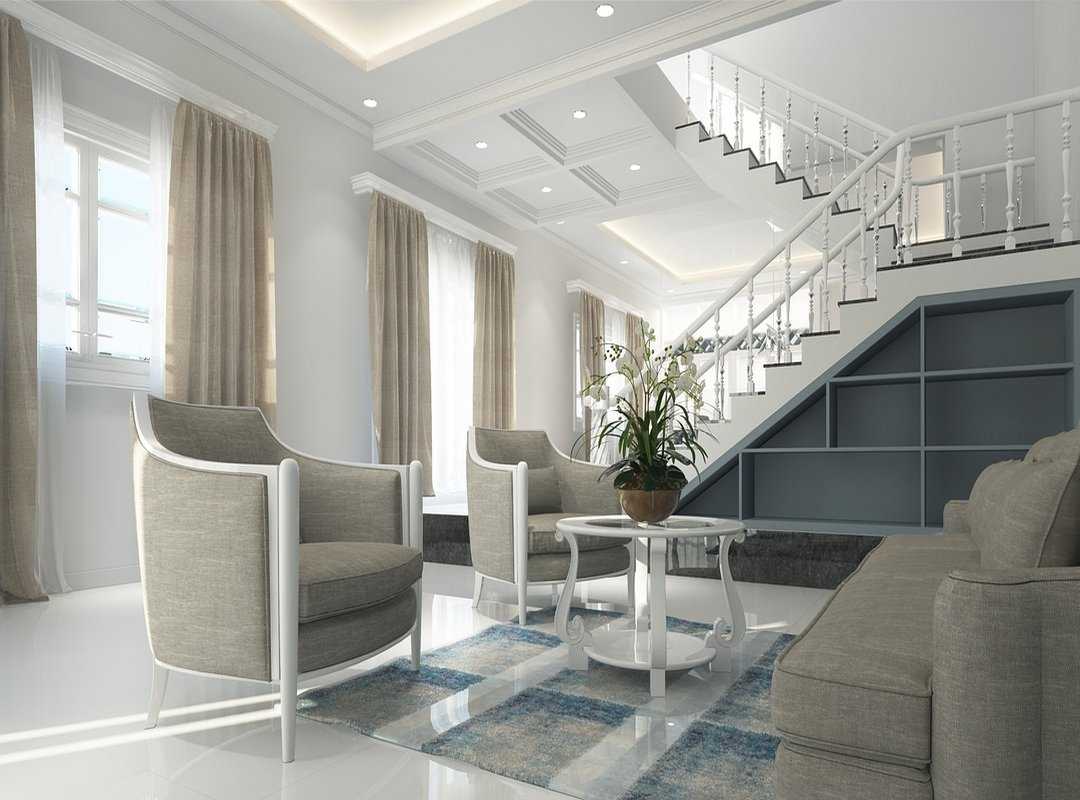
You want to transform your home with biophilic design interiors? 1. Master Natural Light: First, ditch those heavy drapes. Go for sheer, light-filtering curtains.
They let in more light without sacrificing privacy. Mirrors are your best friend here (strategically) place them to bounce light around the room. You don’t want anything blocking your windows, so arrange your furniture to keep them clear.
It’s a game-changer.
2. Curate Your Greenery: Forget the generic “add plants” advice. Think of creating plant vignettes. Group plants of different sizes and leaf shapes together. It’s like making a living sculpture. Not sure which plants to choose? Try a ZZ plant in low light or a snake plant for versatility. They’re easy-care. Basically, you can’t kill them.
3. Frame Your Views: Treat your windows like art. Arrange your seating to highlight a garden, a tree, or even just the sky. It’s about finding the beauty outside and making it a focal point inside. You’ll appreciate the view every time you sit down.
4. Incorporate Natural Motifs: Nature-inspired patterns can subtly bring the outside in. Think textiles with botanical prints or artwork depicting landscapes. Even decor items with wood grain or stone-like patterns can create a natural vibe. It’s all about the details.
5. Engage All Senses: Don’t just stop with what you see. Use natural scents to create a calming atmosphere. Important oil diffusers with sandalwood or cedar can work wonders. Fresh flowers or beeswax candles also add to that immersive experience.
By the way, if you’re curious about how Color Trends Transforming Homes 2023 play into all this, definitely check it out. These strategies bring nature inside but also seamlessly integrate with evolving design trends. So, ready to bring the outside in?
The Smart Sanctuary: A New Era of Natural Design
In today’s world, where everything’s plugged in and turned on, finding a way to blend technology with the tranquility of nature is key. biophilic design interiors come into play. It’s not just a buzzword. It’s the future of living spaces.
Imagine a home where technology enhances your connection to nature instead of just adding another screen.
Take circadian rhythm lighting, for example. These smart lighting systems are genius. They mimic the sun’s natural color temperature, shifting from a cool morning light to a warm evening glow.
It’s like having the sun on a dimmer switch. This setup supports your body’s natural sleep-wake cycle. You sleep better, and who doesn’t want that?
Then there are the smart blinds and shades. They automatically open with the sunrise and close at dusk. You’re maximizing daylight without lifting a finger.
It’s all about syncing your home’s rhythm with the natural world. It’s almost like living in a nature documentary, minus the bugs.
Let’s talk sound. Invisible soundscapes use discreet audio systems to play calming nature sounds. Imagine birds chirping softly or a gentle waterfall in the background.
All without adding visual clutter. It’s peace without the eyesore.
And climate control (smart) thermostats and air purifiers keep the air fresh, clean, and perfectly temped. It’s like having the perfect day outside, every day, right inside your home. Why step out when you can have it all inside?
Create Your Own Sanctuary
Feeling disconnected in your own home? I get it. Sterile spaces can drain your spirit.
But here’s the thing: a nature-inspired interior can transform your living space into a nurturing haven. Biophilic design interiors are more than a trend; they’re a pathway to peace. By blending natural elements and textures with smart lighting and tech, you can craft your personal sanctuary. Start small.
Pick one plan from this guide and try it this week. Take that first step. You’ll see the difference.
Ready for a change? Dive in and start creating a home that truly feels like yours.
 Smart Home Systems & Integration Specialist
Herbert Hamiltonatier is the kind of writer who genuinely cannot publish something without checking it twice. Maybe three times. They came to smart home system integrations through years of hands-on work rather than theory, which means the things they writes about — Smart Home System Integrations, In-Depth Guides, Highlight Hub, among other areas — are things they has actually tested, questioned, and revised opinions on more than once.
That shows in the work. Herbert's pieces tend to go a level deeper than most. Not in a way that becomes unreadable, but in a way that makes you realize you'd been missing something important. They has a habit of finding the detail that everybody else glosses over and making it the center of the story — which sounds simple, but takes a rare combination of curiosity and patience to pull off consistently. The writing never feels rushed. It feels like someone who sat with the subject long enough to actually understand it.
Outside of specific topics, what Herbert cares about most is whether the reader walks away with something useful. Not impressed. Not entertained. Useful. That's a harder bar to clear than it sounds, and they clears it more often than not — which is why readers tend to remember Herbert's articles long after they've forgotten the headline.
Smart Home Systems & Integration Specialist
Herbert Hamiltonatier is the kind of writer who genuinely cannot publish something without checking it twice. Maybe three times. They came to smart home system integrations through years of hands-on work rather than theory, which means the things they writes about — Smart Home System Integrations, In-Depth Guides, Highlight Hub, among other areas — are things they has actually tested, questioned, and revised opinions on more than once.
That shows in the work. Herbert's pieces tend to go a level deeper than most. Not in a way that becomes unreadable, but in a way that makes you realize you'd been missing something important. They has a habit of finding the detail that everybody else glosses over and making it the center of the story — which sounds simple, but takes a rare combination of curiosity and patience to pull off consistently. The writing never feels rushed. It feels like someone who sat with the subject long enough to actually understand it.
Outside of specific topics, what Herbert cares about most is whether the reader walks away with something useful. Not impressed. Not entertained. Useful. That's a harder bar to clear than it sounds, and they clears it more often than not — which is why readers tend to remember Herbert's articles long after they've forgotten the headline.